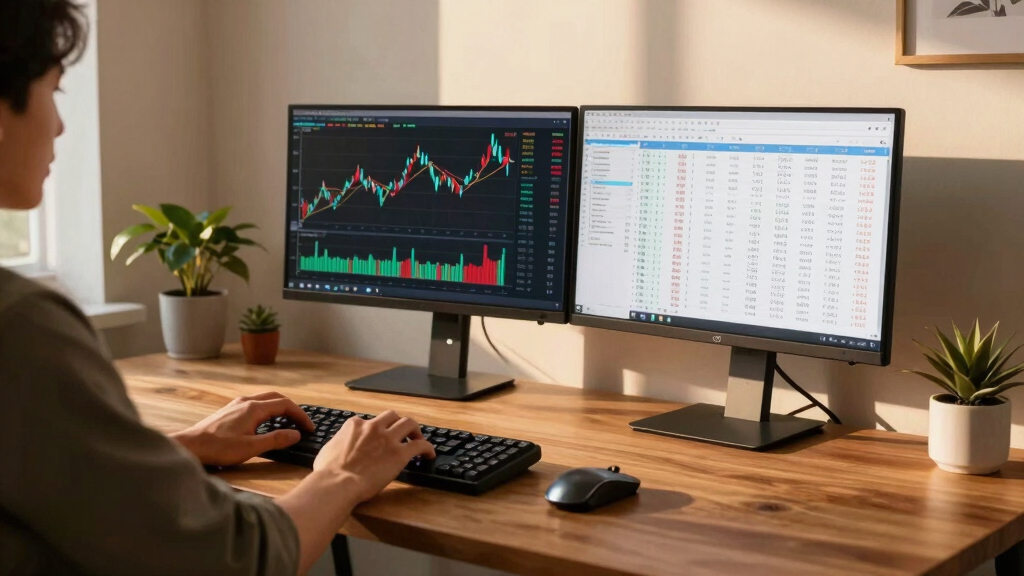

📊 Full opportunity report: The High-End PC and Workstation Tax on ThorstenMeyerAI.com — validation score, market gap, and execution plan.

Turn your quiet moments into listening time
- Thousands of audiobooks, podcasts and originals
- Listen on your phone, tablet or Echo — also offline
- Cancel anytime
TL;DR
Memory prices have skyrocketed in 2026, doubling the cost of high-end components and reversing the advantage of building your own PC. Prebuilt systems may now be cheaper for high-end builds, especially for workstations needing large memory modules.
Memory prices have surged dramatically in 2026, with the cost of RAM now rivaling or exceeding that of graphics cards in high-end PC builds, according to industry reports. This shift has made DIY high-end PC building more expensive and less cost-effective, impacting enthusiasts and professionals alike.
HP revealed that memory now accounts for approximately 35% of a PC’s bill of materials, up from 15–18% in previous years. A typical 32GB DDR5 kit costs around $369, nearly matching the price of a high-end GPU and surpassing CPU and SSD costs in some configurations. This increase has caused premium builds to rise from $2,000 to as much as $4,500, mainly driven by memory and storage costs.
Market structure shifts mean that OEMs and system integrators, who buy memory in bulk and hedge prices, are less affected by these spikes. In contrast, individual builders purchasing retail components face spot prices that can fluctuate weekly, making it more expensive and risky to build high-end systems independently. This inversion has led to prebuilt systems sometimes being more affordable than assembling a comparable machine yourself.
Professional workstations requiring large-capacity DDR5 modules, such as 96GB or 128GB RDIMMs, are experiencing the most severe price hikes and supply shortages. The demand from hyperscalers and enterprise customers has prioritized these modules, pushing their prices potentially twice as high as early 2025. Lead times for these modules have also lengthened significantly.
The high-end PC & workstation tax
If you build your own machines or spec your team’s workstations, you’re the most exposed buyer in this market — no hedge, no bulk contract, just a parts cart and a number you used to ignore, now the biggest line on the invoice.
OEMs buy on bulk contracts and hold hedged stock; you pay the spot price on the day. The DIY builder is now the most exposed buyer in the chain — and the prebuilt is sometimes cheaper. Price it before you commit.
96GB & 128GB DDR5 RDIMMs are the scarcest, closest to the server memory makers prioritize. 64GB RDIMM could cost 2× by end-2026 vs early 2025. The parts that define a workstation are the ones squeezed hardest.
The squeeze didn’t just raise prices — it inverted the value system of high-end building. Buy big, buy early, build it yourself: each enthusiast virtue is now a way to overpay. Discipline beats ambition in 2026 — right-size hard, buy deliberately, lean on bundles, treat the prebuilt as a real price check. You can’t avoid the AI tax levied a layer up in the fabs; you can refuse to pay more of it than the job needs. Next: Cloud’s Hidden Memory Bill.
Impacts on DIY PC Building and Professional Workstations
The rising memory costs fundamentally change the economics of high-end PC and workstation builds in 2026. Enthusiasts and professionals who traditionally built their own systems to save money now face higher prices, with some components becoming prohibitively expensive. The market shift favors prebuilt systems, which can leverage bulk purchasing and hedging to offer more competitive prices. This trend may influence future purchasing strategies and industry supply chains, affecting both consumers and enterprise users.
As an affiliate, we earn on qualifying purchases.
Memory Market Trends and 2026 Price Dynamics
Over the past year, memory prices have become highly volatile, behaving more like stock market quotes than stable commodity prices. Large orders, currency fluctuations, and limited inventories contribute to unpredictable weekly price swings. Historically, buyers could wait for favorable prices, but in 2026, timing offers little relief, as prices tend to trend upward despite short-term fluctuations. This environment has reshaped procurement strategies, emphasizing bulk buying and staged upgrades.
Prior to 2026, building a high-end PC was often cheaper than buying prebuilt, thanks to competitive component prices and DIY control. However, the current market conditions have inverted this rule, making prebuilt systems a more economical choice for high-end configurations, especially for workstations requiring large memory modules.
“Memory now constitutes approximately 35% of a PC’s bill of materials, reflecting its increased cost share.”
— HP investor briefing
As an affiliate, we earn on qualifying purchases.
Unclear Long-Term Market and Supply Chain Effects
It is not yet clear how memory prices will evolve over the coming months or whether supply shortages will ease. The extent to which OEMs will continue to hedge prices or pass costs to consumers remains uncertain, as does the long-term impact on the DIY market versus prebuilt systems.
professional workstation with large memory modules
As an affiliate, we earn on qualifying purchases.
As an affiliate, we earn on qualifying purchases.
Expected Strategies for Buyers and Industry Responses
Buyers are advised to stage their purchases, leverage bundled deals, and consider prebuilt options for high-end systems. Industry players may seek to stabilize supply chains or adjust product offerings to cope with ongoing price volatility. Monitoring market trends and locking in prices through bulk or reserved contracts will be key for procurement managers in 2026 and beyond.
high-performance desktop components
As an affiliate, we earn on qualifying purchases.
As an affiliate, we earn on qualifying purchases.
Key Questions
Why has memory become so expensive in 2026?
Memory prices surged due to increased demand from hyperscalers, supply chain constraints, and prioritization of high-margin server modules, leading to shortages and higher retail prices.
Does this mean building my own high-end PC is no longer cost-effective?
In many cases, yes. The rising cost of high-capacity memory modules has made prebuilt systems more competitive, and DIY builders face higher component costs without bulk discounts.
Will memory prices stabilize or continue rising?
It is uncertain. Market volatility, supply chain factors, and demand from enterprise sectors will influence future pricing, but current trends suggest continued upward pressure in 2026.
How should professionals plan their workstation upgrades?
Professionals should consider staged upgrades, bulk purchasing, and locking in prices through contracts, while avoiding front-loading capacity at peak prices.
Are prebuilt systems a better choice now?
For high-end builds, prebuilt systems may offer better value due to bulk purchasing advantages, especially for large memory configurations.
Source: ThorstenMeyerAI.com
Halloween Picks
halloween
As an affiliate, we earn on qualifying purchases.