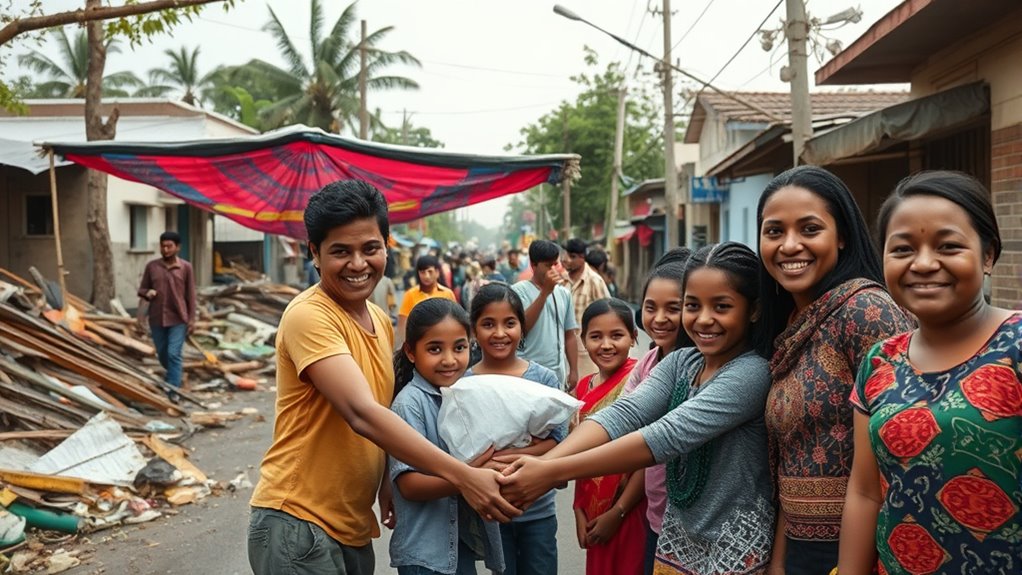

In times of crisis, your community’s resilience depends on how well you prioritize mental health, allocate resources, and foster trust and engagement among residents and leaders. Providing access to counseling, support groups, and stress management helps residents process trauma and stay hopeful. Effective resource distribution ensures essential needs are met swiftly, while strong trust encourages cooperation. When everyone actively participates and mental well-being is valued, your community can bounce back faster—discover more strategies to bolster resilience as you continue.
Key Takeaways
- Prioritizing mental health support accelerates recovery and reduces long-term psychological issues in communities.
- Effective resource allocation ensures essential services reach those in need promptly during crises.
- Community engagement and fostering a culture of openness strengthen collective resilience and support networks.
- Trust and clear communication among residents and authorities facilitate cooperation and efficient information dissemination.
- Strategic planning and financial management optimize resource use, enhancing overall community recovery and preparedness.
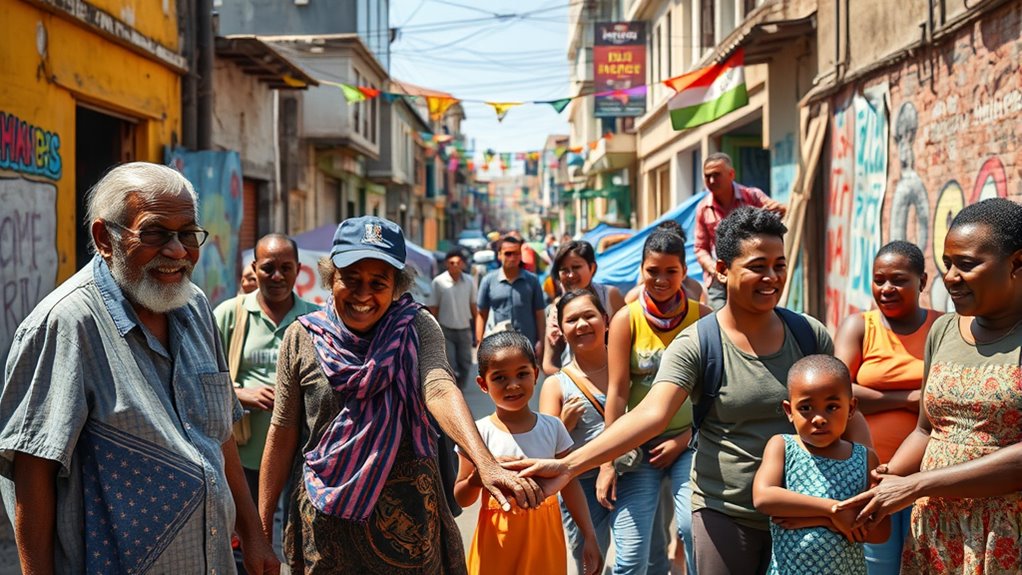
Have you ever wondered how some communities bounce back quickly after a disaster while others struggle for years? The answer often lies in how well they manage their mental health resources and coordinate their efforts during crises. When a disaster strikes, the mental health of residents becomes a critical factor in resilience. Communities that prioritize mental health support provide accessible counseling, peer support groups, and stress management programs. These initiatives help individuals process trauma, reduce anxiety, and foster a sense of hope, which collectively accelerates recovery. Conversely, neglecting mental health needs can lead to long-term issues like depression, substance abuse, and social withdrawal, hindering overall community recovery.
Prioritizing mental health support accelerates community recovery after disasters.
Resource allocation plays a pivotal role in resilience as well. When local governments and organizations efficiently direct resources—such as funding, personnel, and supplies—they create a foundation for swift response and rebuilding. Effective resource allocation ensures that essential services, including healthcare, housing, and food assistance, reach those who need them most without delay. It also involves strategic planning, so resources are not wasted or misused, allowing communities to sustain recovery efforts over time. Communities that establish pre-disaster plans for resource distribution tend to recover faster because they minimize chaos and confusion during critical moments.
Building community resilience isn’t just about having resources; it’s about how you deploy them and support mental health. In resilient communities, leaders recognize that mental well-being is just as important as physical infrastructure. They foster a culture of openness, encouraging residents to seek help without stigma. This openness helps prevent mental health issues from escalating and becoming barriers to recovery. Additionally, community engagement ensures that everyone has a voice in the recovery process, leading to solutions tailored to local needs and strengths. When residents feel involved and supported, their collective resilience grows, making the entire community more capable of bouncing back.
Furthermore, resilient communities often have strong networks of trust and cooperation. These networks facilitate rapid resource sharing and collective problem-solving. They also help disseminate essential information, keeping everyone informed about available mental health services and resource distribution efforts. When people trust local authorities and each other, they’re more likely to participate actively in recovery initiatives, which speeds up the healing process.
An understanding of financial aspects, such as effective resource allocation and planning, can further enhance community resilience by ensuring that funds are used efficiently to support mental health and recovery efforts. When these elements work together, communities not only recover faster but also emerge stronger, better prepared for future crises. Your community’s ability to adapt, support its members emotionally, and strategically manage resources creates a resilient environment where recovery is not just possible but inevitable.
Frequently Asked Questions
How Can Individuals Personally Improve Community Resilience?
You can personally improve community resilience by actively participating in grassroots initiatives and fostering social cohesion. Volunteer your time, share resources, or organize neighborhood events to strengthen bonds. Support local businesses and collaborate with neighbors to create a sense of unity. When you prioritize open communication and collective problem-solving, you help build a stronger, more adaptable community capable of facing crises together. Your involvement truly makes a difference.
What Role Does Technology Play During Community Crises?
Technology acts as the backbone during community crises, connecting everyone like a crucial nerve system. You leverage digital connectivity to share information quickly and efficiently, keeping everyone informed. Data analytics help you understand evolving needs and allocate resources wisely. By harnessing these tools, you strengthen community resilience, transforming chaos into coordinated action. Embrace technology as your trusted partner to navigate through tough times and emerge stronger together.
How Do Cultural Differences Influence Community Responses?
Your community’s cultural practices shape how you respond to crises, fostering unique coping strategies and support systems. These differences influence social cohesion, either strengthening bonds or creating divisions. When you understand and respect diverse cultural approaches, you can build more inclusive responses. Embracing cultural diversity helps your community adapt more effectively, ensuring everyone feels valued and supported during challenging times, ultimately enhancing resilience and collective strength.
What Funding Options Support Resilience-Building Initiatives?
Think of funding options as the backbone of your resilience efforts. You can tap into government grants, private foundations, and local fundraising to get financial support. For example, after a flood, a community secured federal disaster relief funds to rebuild stronger. These diverse funding sources strengthen your capacity to respond and adapt, ensuring your community remains resilient when crises strike. Don’t overlook small grants—they can make a big impact.
How Can Youth Be Engaged in Strengthening Community Resilience?
You can engage youth by promoting youth empowerment through leadership roles and decision-making opportunities. Encourage participation in volunteer programs that address community needs, allowing them to develop skills and a sense of ownership. Create mentorship initiatives and workshops focused on resilience skills. By involving youth actively, you foster a sense of responsibility, enhance their confidence, and strengthen community resilience from the ground up.
Conclusion
In times of crisis, your community’s resilience can be a powerful force. Remember, studies show that communities with strong social ties recover 30% faster from disasters. By supporting each other and staying connected, you help build a more robust, adaptable neighborhood. Your actions matter—together, you can turn challenges into opportunities for growth and unity. Stay engaged, stay resilient, and know that your community’s strength lies in your collective effort.