
📊 Full opportunity report: When Does Cheap Memory Come Back? The 2027–2029 Question on ThorstenMeyerAI.com — validation score, market gap, and execution plan.
TL;DR
Memory prices are expected to stabilize around 2027, but full relief may not occur until 2028–2029. Industry capacity growth is slow, and demand remains high, making cheaper memory unlikely soon.
Memory prices are unlikely to fall significantly before late 2027, with industry experts forecasting a gradual easing rather than a sharp drop. The dominant memory manufacturers warn that shortages could persist into 2028 or beyond, making cheap memory a distant prospect for now. This matters because persistent high prices impact industries reliant on memory chips, including AI, data centers, and consumer electronics.
Analysts and industry leaders agree that the memory market will see a stabilization of prices around 2027, with some expecting relief as early as Q4 2027, according to Counterpoint Research. However, Intel’s CEO has stated there will be no relief until 2028. The primary reason for the delayed easing is the lengthy process of building and ramping new fabs, which can take several years. The upcoming capacity additions, such as Micron’s Idaho plant and SK Hynix’s Indiana facility, are expected to influence prices only after 2028.
Current industry capacity is constrained by the physical limits of cleanroom space and the slow pace of construction. The largest planned expansion, Micron’s Clay megafab in New York, has been pushed to 2030. Meanwhile, most new fabs funded by the CHIPS Act are scheduled for 2028–2030, leaving near-term relief unlikely. Experts project that even with new capacity, prices will settle at a level 30–50% above pre-crisis levels, permanently.
When does cheap memory come back?
The question everyone’s really asking: do I just wait this out? The honest answer is a timeline, three scenarios, and news you may not want — the cheap memory you remember isn’t coming back. A less-expensive market probably is — later, and at a higher floor.
Capacity ramps ’27–’28; price climbs stop, then ease. Settles ~30–50% above pre-crisis — the new baseline, not a return to 2024.
AI keeps accelerating; OpenAI locked ~40% of DRAM through 2029; makers pause expansion to protect record margins; each HBM gen worsens the math.
AI demand moderates just as delayed ’27–’28 fabs all arrive → classic overshoot → prices crash. Not the bet — but never impossible in this industry.
The one relief valve that needs no fab is efficiency: if compression (Part 9) cuts how much memory each model needs, demand softens on the timescale of a software update, not a construction project. So the posture isn’t waiting — it’s the discipline this series has been about. Memory is now a scarce, valuable resource; treat it that way. Buy what you need, right-size, own what’s steady, rent what’s spiky, quantize either way. The people who do best won’t be the ones who guessed the bottom — they’ll be the ones who stopped needing so much. That’s the squeeze, end to end.
Implications for the Tech Industry and Consumers
This outlook indicates that high memory prices will persist into the next few years, affecting the cost structure of AI development, cloud services, and consumer electronics. Companies may face higher production costs, and consumers could see increased prices for devices. The expectation of a permanently higher baseline for memory costs also influences long-term industry planning and investment strategies.

PUSKILL DDR4 3200MHz CL16 Desktop RAM Kit, 32GB (2x16GB)
- High-Speed 3200MHz Performance: Fast frequency with low latency for smooth gaming
- Large 32GB Capacity: Ideal for gaming, streaming, and heavy multitasking
- Wide Compatibility: Supports Intel XMP 2.0 and AMD Ryzen platforms
As an affiliate, we earn on qualifying purchases.
As an affiliate, we earn on qualifying purchases.
Recent Trends and Industry Capacity Developments
The memory market has experienced a sustained shortage since 2026, driven by physical constraints and increased demand from AI and data center sectors. Major manufacturers like Samsung, SK Hynix, and Micron have announced new fabs, but these take years to become fully operational. The first wave of new capacity, including Micron’s Idaho fab and SK Hynix’s Yongin plant, is expected to impact prices only after 2027. The industry has historically been cyclical, with boom-and-bust patterns, raising the possibility of oversupply if demand moderates unexpectedly.
While some analysts expected a quick return to pre-crisis prices, recent statements from industry leaders suggest the market will remain tight for several more years, with relief delayed until 2028 or later.
“Prices are expected to stabilize by late 2027, marking the earliest inflection point for relief.”
— Counterpoint Research

Acclamator DDR4 RAM 32GB (2x16GB) 3200MHz PC4-25600 XMP CL18 1.35V 288-pin Desktop PC Memory Module with Heatsink White Suitable for Gaming and Office Work
- Memory Type: DDR4 3200MHz
- Capacity: 32GB (2x16GB)
- Compatibility: Desktop, dual-channel
As an affiliate, we earn on qualifying purchases.
As an affiliate, we earn on qualifying purchases.
Uncertainties in Market Recovery Timeline and Demand
While projections point to late 2027 or 2028 for relief, the precise timing remains uncertain due to unpredictable factors such as demand fluctuations, technological breakthroughs in efficiency, or unexpected delays in capacity expansion. The potential for a market overshoot leading to a crash also remains a possibility, though considered less likely.

SSK Portable SSD 1TB External Solid State Hard Drive USB C Up to 1050MB/s
- Capacity Display: Shows 931GB on Windows, full 1TB on Mac
- Fast Data Transfer: Up to 1050MB/s read, 1000MB/s write speed
- Activity Indicator: LED light shows real-time activity
As an affiliate, we earn on qualifying purchases.
As an affiliate, we earn on qualifying purchases.
Upcoming Capacity Expansions and Market Monitoring
In the coming years, industry observers will closely watch the ramp-up of new fabs, particularly Micron’s Clay megafab and SK Hynix’s Indiana plant, expected to influence prices after 2028. Additionally, demand-side innovations, such as improved memory efficiency and compression techniques, may help mitigate some pressure. Market participants will also monitor whether supply tightness persists or if a glut emerges, potentially causing prices to crash.
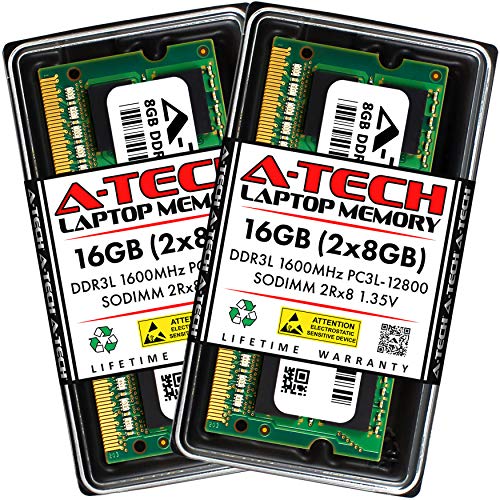
A-Tech DDR3L RAM 16GB Kit (2x8GB) 1600MHz PC3L-12800 SODIMM Laptop Memory
- Capacity: 16GB Kit (2x8GB) DDR3L RAM
- Speed: 1600MHz DDR3L PC3L-12800
- Form Factor: SO-DIMM 204-Pin
As an affiliate, we earn on qualifying purchases.
As an affiliate, we earn on qualifying purchases.
Key Questions
When can we expect memory prices to return to pre-crisis levels?
Most analysts predict that prices will not return to pre-2026 levels before 2028 or later, with relief likely delayed until then.
Will new manufacturing plants reduce memory prices sooner?
While capacity expansions like Micron’s Idaho fab are expected to influence prices, these projects will take years to ramp up, so significant relief is unlikely before 2028.
Why is the memory shortage expected to last so long?
The physical constraints of building and ramping new fabs, combined with high demand from AI and data centers, create a long lead time for supply increases, prolonging shortages.
Could a demand slowdown cause memory prices to crash?
Yes, if AI demand moderates significantly or efficiency improvements reduce memory consumption, a market oversupply could lead to a price crash, though this remains uncertain.
How will demand-side innovations impact the memory market?
Advances in compression, more efficient architectures, and better stacking could reduce overall memory demand, easing pressure without new fab capacity.
Source: ThorstenMeyerAI.com