
🔍 Read the full analysis: The AI Secrets Behind 'The Runestone Field' SVG Carving Animation on ThorstenMeyerAI.com
TL;DR
AI algorithms and SVG automation combine to animate ‘The Runestone Field,’ blending ancient runic art with modern technology. This project showcases innovative digital craftsmanship and storytelling.
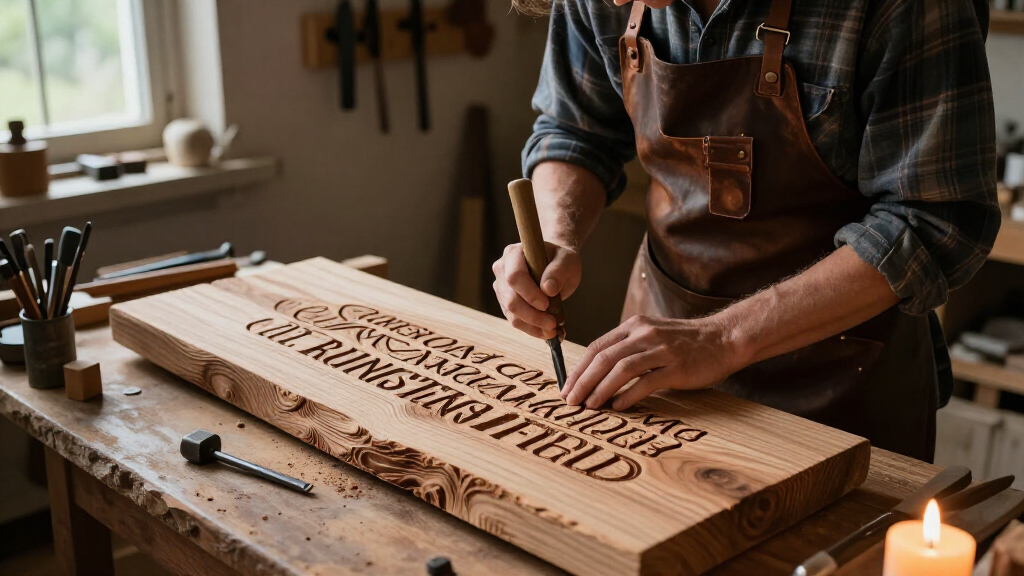
The ‘Runestone Field’ SVG carving animation was created using advanced AI-driven techniques, transforming static runic carvings into dynamic, animated visuals. This development highlights how artificial intelligence can enhance digital storytelling by automating precise SVG carving processes, offering viewers an immersive experience that evokes both history and modern technology. For more details, see the original analysis on Glimpse: The Runestone Field — Carve Words Into Winter. The project demonstrates a new frontier in visual design, where AI acts as a digital chisel shaping animated narratives.
Thorsten Meyer’s team developed the ‘Runestone Field’ project by integrating AI algorithms with SVG (Scalable Vector Graphics) automation tools. The process involved training machine learning models to recognize traditional runic patterns and then generate precise SVG paths that mimic the carving process, as detailed in the original coverage. These SVG paths were animated to simulate the carving action, creating a fluid, lifelike animation that appears as if the runes are being carved in real time. The animation process was refined through iterative testing, ensuring that the digital carvings preserved the authenticity of historical runic art while leveraging automation for efficiency and detail.
According to Meyer, the project aimed to showcase how AI can serve as a digital artisan, combining traditional craftsmanship with modern automation. The resulting animation invites viewers to explore the intricate details of the runes, almost as if the stones themselves are speaking anew. The process also involved developing custom algorithms that could adapt to different carving styles, making the technique versatile for various historical and artistic applications. The team has shared a detailed case study outlining the step-by-step methodology, including the challenges faced—such as ensuring the AI accurately captured the nuances of ancient carvings—and the breakthroughs achieved in automating complex patterns without losing artistic integrity.
The AI Secrets Behind ‘The Runestone Field’ SVG Carving Animation
Thorsten Meyer’s team fused AI algorithms with SVG automation to transform static runic carvings into dynamic, animated visuals — a digital chisel that lets ancient stones speak anew, bridging history and modern technology.
By harnessing AI algorithms, we can automate the intricate process of carving SVG paths that faithfully replicate historical runic patterns, creating animations that are both precise and evocative.— Thorsten Meyer
March 2024
automation pipeline
carving paths
styles & art forms
From Ancient Rune to Animated Stone
Machine learning models were trained to recognize traditional runic patterns, then generated precise SVG paths that mimic the carving process — animated so the runes appear to be chiselled in real time.
Train on Runic Data
ML models learn the shapes, strokes, and nuances of historical runic carvings.
Generate SVG Paths
Custom algorithms output precise vector paths that mimic real carving strokes.
Animate the Carving
Paths are animated to simulate the chisel’s motion — lifelike, fluid, in real time.
Iterate & Validate
Iterative testing preserves historical authenticity while boosting efficiency and detail.
Innovation at the Crossroads of Art and Automation
The project opens new pathways for artists, historians, and educators — preserving ancient art forms while making them immersive and interactive.
Cultural Heritage, Digitized
AI-driven carving offers a new way to preserve and present historical art forms, making them accessible and engaging for modern audiences.
A Digital Artisan
AI acts as a digital chisel — augmenting, not replacing, traditional craftsmanship with automation that increases precision and reduces production time.
Immersive Narratives
Viewers explore intricate runic details as if the stones themselves were speaking anew — inspiring interactive storytelling and educational tools.
Bridging Ancient Techniques with Modern AI
Previous digital-art efforts relied on manual animation or static representations. AI-driven carving marks a significant step forward.
| Capability | Manual Animation | Static Digitization | AI SVG Carving |
|---|---|---|---|
| Lifelike carving simulation | ~ Labor-intensive | ✗ Not possible | ✓ Real-time effect |
| Historical authenticity | ✓ High, artisan-led | ✓ Faithful capture | ~ Under expert review |
| Adapts to multiple styles | ✗ Slow per style | ~ Fixed output | ✓ Algorithmic adaptability |
| Scalable for archives | ✗ Impractical | ✓ Scalable | ✓ Scalable + animated |
| Interactive potential | ✗ Limited | ✗ None | ✓ Custom platforms planned |
What Remains Uncarved
Questions remain about bias in training data, authenticity in the eyes of cultural experts, and how well the AI adapts to different historical styles without manual intervention. Further expert evaluations are needed to assess fidelity and educational value.
Moving forward, the team plans to refine the algorithms, apply them to petroglyphs and mural carvings, collaborate with historians and institutions, and build interactive platforms where users create their own animated carvings.
The Journey of a Rune
Everything You Wanted to Ask
How does AI generate the carving animations?
Models trained on traditional runic patterns recognize and generate precise SVG paths, which are then animated to simulate the carving action in real time.
Can it apply to other historical art forms?
Yes — the techniques adapt to petroglyphs, murals, and ancient inscriptions for wide-ranging digital preservation and storytelling.
What are the current limitations?
Capturing artistic nuances, questions of authenticity and cultural fidelity, and the long-term durability of digital animations all remain challenges.
Will it replace traditional craftsmanship?
No. The technology augments and inspires traditional craft, offering new tools for artists and historians to present heritage in innovative ways.
How can I see the animation?
The ‘Runestone Field’ animation is available live on the project’s dedicated platform, where viewers can explore the detailed SVG carvings firsthand.
What comes next?
Refined algorithms, a broader repertoire of carved styles, institutional collaborations, and interactive platforms for user-created animated carvings.
Innovative Use of AI in Digital Art and Storytelling
This project exemplifies how artificial intelligence can revolutionize digital art by automating traditionally manual craftsmanship. The use of AI for SVG carving animation demonstrates a new way to preserve and present historical art forms, making them accessible and engaging for modern audiences. It also opens pathways for artists and designers to incorporate AI-driven automation into their workflows, reducing time and increasing precision. For viewers, it offers an immersive experience that bridges the gap between ancient storytelling and contemporary digital techniques, potentially inspiring new forms of interactive storytelling and educational tools.
As an affiliate, we earn on qualifying purchases.
Bridging Ancient Carving Techniques with Modern AI
The ‘Runestone Field’ project builds on a broader trend of integrating AI into creative fields, particularly in visual arts and digital storytelling. Historically, runic carvings are a form of ancient communication, etched into stones by skilled artisans. The challenge has always been to preserve the authenticity of these carvings while exploring new ways to animate and interpret them. Previous efforts in digital art relied heavily on manual animation or static representations. The current project marks a significant step forward by automating the carving process through AI, allowing for detailed, lifelike animations that respect the original artistry. This approach aligns with ongoing developments in AI-assisted design, where machine learning models are trained on historical data to generate authentic reproductions or reinterpretations. The project also reflects a growing interest in using AI to enhance cultural heritage preservation and storytelling, making ancient art more accessible and engaging for contemporary audiences.
“By harnessing AI algorithms, we can automate the intricate process of carving SVG paths that faithfully replicate historical runic patterns, creating animations that are both precise and evocative.”
— Thorsten Meyer
As an affiliate, we earn on qualifying purchases.
Remaining Questions About AI-Generated Carving Authenticity
While the technical process has been demonstrated successfully, it is still unclear how well the AI-generated carvings will be received by historians and cultural experts in terms of authenticity. The project’s reliance on machine learning models trained on existing data raises questions about the potential for bias or inaccuracies in reproducing the nuances of original runic art. Additionally, the long-term durability of such digital animations as a form of cultural preservation remains to be seen, as does the extent to which the AI can adapt to different historical styles without manual intervention. Further reviews and expert evaluations are needed to assess the fidelity and educational value of these animations.
As an affiliate, we earn on qualifying purchases.
Expanding AI Carving Techniques and Cultural Applications
Moving forward, the team plans to refine the AI algorithms to improve accuracy and expand the repertoire of carved styles. There is also interest in applying these techniques to other forms of historical art, such as petroglyphs or mural carvings, to create a broader digital archive. Collaborations with historians and cultural institutions are expected to validate and contextualize the animations further. Additionally, the team aims to develop interactive platforms that allow users to customize or create their own animated carvings, fostering educational engagement and digital preservation efforts. The ongoing development of AI-driven artistic tools promises to transform how we interpret and celebrate cultural heritage in the digital age.
As an affiliate, we earn on qualifying purchases.
Key Questions
How does AI generate the SVG carving animations?
The AI is trained on images and patterns of traditional runic carvings, enabling it to recognize and generate precise SVG paths that mimic the carving process. These paths are then animated to simulate the carving action, creating a dynamic visual effect.
Can this technology be applied to other historical art forms?
Yes, the techniques developed can be adapted to other forms of carved or etched art, such as petroglyphs, murals, or ancient inscriptions, allowing for a wide range of digital preservation and storytelling applications.
What are the limitations of using AI for this purpose?
Current limitations include ensuring the AI accurately captures the artistic nuances of original carvings and addressing questions of authenticity and cultural fidelity. Additionally, the long-term preservation of digital animations remains a challenge.
Will this replace traditional craftsmanship?
No, the technology aims to augment and inspire traditional craftsmanship, not replace it. It offers new tools for artists and historians to explore and present cultural heritage in innovative ways.
How can I see the ‘Runestone Field’ animation?
The animation is available to view live through the project’s dedicated platform, where viewers can explore the detailed SVG carvings and experience the dynamic animation firsthand.
Source: ThorstenMeyerAI.com