

In business leadership, trusting your gut often stems from strong emotional intelligence and experience. You develop an ability to read subtle cues, interpret emotional signals, and quickly analyze external data, all of which inform your intuition. This internal knowledge helps you act confidently amid uncertainty. When you balance analytical insights with your instincts, you make smarter decisions faster. If you want to understand how to strengthen these skills and use your intuition effectively, there’s more to discover ahead.
Key Takeaways
- Successful CEOs leverage emotional intelligence to interpret subtle cues, enabling them to trust their gut in high-stakes decisions.
- Deep industry knowledge and experience cultivate internal signals that guide intuitive judgments confidently.
- CEOs differentiate genuine insights from impulses by analyzing emotional responses and aligning with core values.
- External data, such as market trends and security risks, complement intuition, leading to more balanced decision-making.
- Combining analytical skills with intuition allows leaders to act swiftly and confidently during uncertain or complex situations.

Have you ever wondered how some leaders make quick, confident decisions without always relying on data? It often comes down to a sense of intuition—an instinctual feeling that guides them even when the facts are unclear. This intuitive edge isn’t just guesswork; it’s rooted in emotional intelligence, which enables you to read situations and people with remarkable accuracy. When you develop your emotional intelligence, you become more attuned to subtle cues and underlying dynamics that might escape others. This heightened awareness helps you trust your gut, especially in high-stakes moments where hesitation can cost opportunities or cause unnecessary delays.
Effective decision-making strategies don’t always hinge on a thorough analysis of every detail. Sometimes, you need to rely on your instincts—your subconscious processing patterns stored from past experiences. CEOs who trust their gut often do so because they’ve cultivated a deep understanding of their industry, their teams, and themselves. This internal knowledge accelerates decision-making, allowing you to act swiftly rather than getting bogged down in endless deliberation. It’s important to recognize that intuition isn’t just random; it’s a refined skill that combines emotional intelligence with experience. When you notice your feelings or impressions about a situation, you’re tapping into your subconscious, which has already processed relevant information in the background.
By integrating emotional intelligence into your decision-making strategies, you learn to distinguish between impulsive reactions and genuine intuitive insights. This means listening carefully to your emotional responses and understanding what they reveal about the situation at hand. For example, if you feel uneasy about a proposed deal, rather than dismissing that feeling as mere anxiety, you investigate its source. Often, your intuition signals something essential that isn’t immediately obvious—perhaps a hidden risk or an overlooked opportunity. Trusting this internal guidance can lead to more thoughtful, timely actions that align with your core values and long-term goals. Additionally, awareness of external factors such as payment data security can further inform your intuitive judgments about business risks.
Ultimately, successful leaders don’t solely depend on hard data; they combine analytical skills with emotional intelligence to make balanced, confident decisions. Your intuition acts as a complementary tool that enhances your decision-making strategies, especially when time is limited or information is incomplete. As you hone this skill, you’ll find yourself more capable of charting uncertainty with clarity and conviction. Trusting your gut isn’t a shortcut; it’s an integral part of strategic leadership that, when refined, can set you apart in the competitive world of business. Developing color accuracy and understanding contrast ratios can also improve your ability to interpret complex situations visually, further sharpening your intuitive judgment.

MBM 80 Advanced Grow Cards – Leadership Development Resources & Strategic Thinking Exercises for Coaches, HR Programs & Executive Training | Emotional Intelligence & Conversation Starters
FOR EXPERIENCED COACHES & LEADERSHIP TRAINERS – Designed for established coaches and leadership development professionals, this deck offers…
As an affiliate, we earn on qualifying purchases.
As an affiliate, we earn on qualifying purchases.
Frequently Asked Questions
How Can CEOS Improve Their Intuitive Decision-Making Skills?
To improve your intuitive decision-making skills, focus on enhancing your emotional intelligence by paying close attention to your feelings and those of others. Practice creative problem solving to approach challenges from different angles, which sharpens your gut instincts. Regular reflection helps you recognize patterns and build confidence in your intuition. By combining emotional awareness with inventive thinking, you’ll make more confident, informed decisions that benefit your leadership and organization.
What Are the Risks of Relying on Intuition Over Data?
They say, “Trust but verify,” and that’s key when relying on intuition over data. Relying solely on gut feelings can lead to biases, risking poor decisions. Without bias mitigation and emotional intelligence, you might overlook facts or misinterpret emotions, causing costly mistakes. While intuition can guide you, balancing it with data guarantees more accurate, well-rounded choices that protect your organization from unseen pitfalls.
Can Intuition Be Measured or Quantified in Leadership?
You can’t directly measure intuition, but you can relate it to quantitative metrics and decision algorithms. By analyzing patterns and outcomes, you can gauge how often gut instincts lead to success. Some leaders track intuition-driven decisions versus data-based ones, creating a form of qualitative measurement. While intuition remains subjective, integrating it with data and decision algorithms helps you refine your leadership approach and make more informed choices.
How Does Organizational Culture Influence Intuitive Decisions?
Organizational culture shapes how you approach intuitive decisions by fostering a corporate mindset that either encourages or discourages reliance on gut feelings. In decision psychology, a collaborative, open environment boosts confidence in intuition, while a rigid culture may suppress it. When your organization values trust and flexibility, you’re more likely to trust your instincts, making intuitive decisions that align with company goals and values.
Are There Specific Industries Where Intuition Is More Valuable?
Imagine a time before GPS, relying solely on instinct—this mirrors how some industries value intuition. In sectors like tech startups or creative fields, industry intuition and sector instincts often guide rapid decisions, fostering innovation and agility. These industries thrive on quick, gut-driven choices because data isn’t always clear or immediate. So, yes, intuition is especially valuable where adaptability and quick thinking are critical for success.

Decision Quality: Value Creation from Better Business Decisions
As an affiliate, we earn on qualifying purchases.
As an affiliate, we earn on qualifying purchases.
Conclusion
Trusting your gut often leads to smarter decisions, especially when data isn’t clear. Many successful CEOs rely on intuition as a valuable tool, not just a hunch. While some think gut feelings are just guesswork, research shows that experienced leaders develop an instinct rooted in pattern recognition and past lessons. So, next time you face a tough choice, remember that your intuition might just be your secret weapon for making confident, effective decisions.
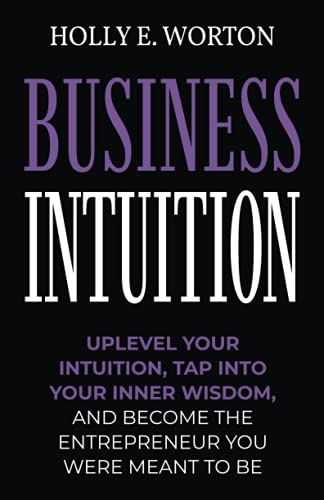
Business Intuition: Tools to Help You Trust Your Own Instincts, Connect with Your Inner Compass, and Easily Make the Right Decisions (Business Mindset)
As an affiliate, we earn on qualifying purchases.
As an affiliate, we earn on qualifying purchases.
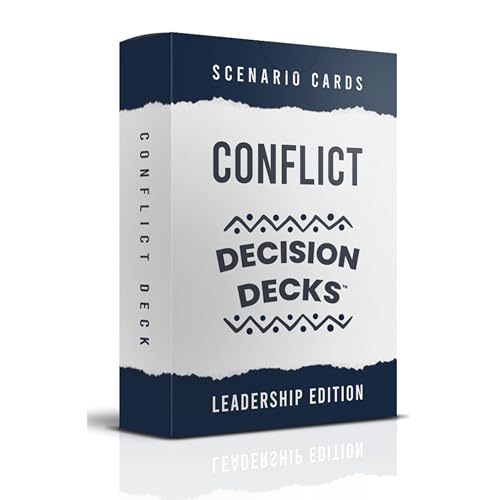
Leadership Scenario Cards | 60 Decision Deck Scenarios for Managers Developing Conflict Resolution Skills
LEADERSHIP DEVELOPMENT TOOLKIT: 60 workplace scenarios designed to help managers, team leads, and HR professionals navigate conflict, defuse…
As an affiliate, we earn on qualifying purchases.
As an affiliate, we earn on qualifying purchases.