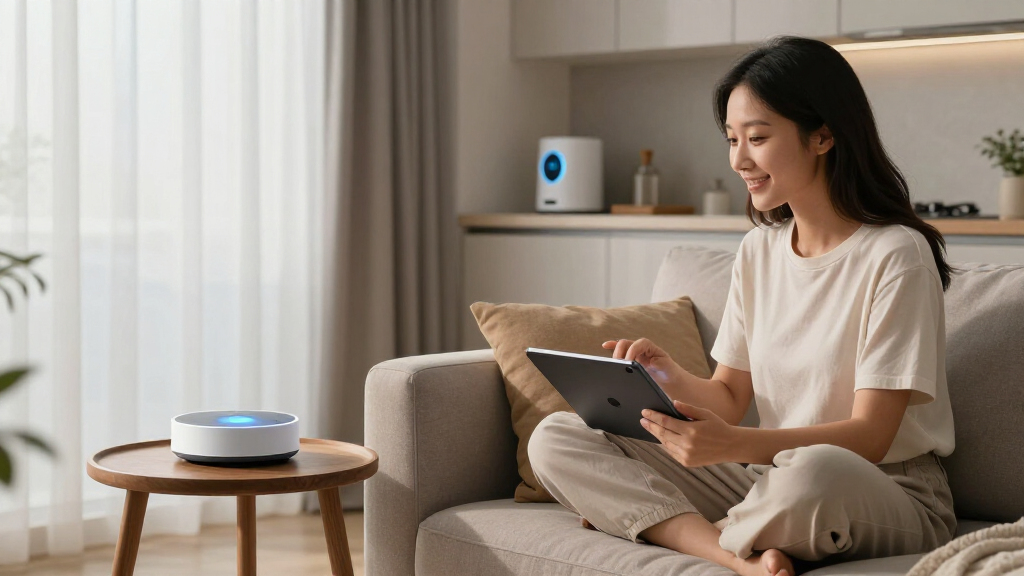

🔍 Read the full analysis: 14 AI Home Automation Devices That Will Define 2026 on ThorstenMeyerAI.com

Turn your quiet moments into listening time
- Thousands of audiobooks, podcasts and originals
- Listen on your phone, tablet or Echo — also offline
- Cancel anytime
TL;DR
A new wave of 14 AI-driven home automation devices is poised to shape smart homes in 2026. These devices offer advanced AI features, seamless integration, and enhanced privacy, marking a significant evolution in home tech.
Fourteen AI-powered home automation devices are projected to define the smart home landscape in 2026, offering enhanced responsiveness, privacy, and integration. These devices, ranging from energy monitors to voice control panels, are shaping the future of home automation by combining artificial intelligence with local processing and multi-protocol support. Their adoption will influence how consumers interact with their living spaces and how seamlessly devices work together.
Among the standout devices is the Home Energy Monitor with IoT and AI Integration, praised for its comprehensive energy insights and automation capabilities. The SwitchBot AI Hub is notable for its Matter support and local storage, enabling seamless integration across ecosystems. The Multi-Functional AI Voice Control Panel offers an intuitive interface, prioritizing voice commands for ease of use. Experts highlight that these devices leverage AI to reduce latency through local processing and improve privacy by minimizing reliance on cloud services, as detailed in the original analysis. Compatibility remains a key factor; many devices support popular protocols like Zigbee, Z-Wave, and Thread, ensuring they can integrate into existing smart home setups. Cost and complexity vary, with premium options offering advanced features and affordability often sacrificing some capabilities.The 14 picks
- 1
 SwitchBot AI Hub with OpenClaw Support and Local Camera StorageView on Amazon →
- 2
 Hubitat Elevation C-8 Pro Smart Home Automation Hub – Matter 1.5, Z-Wave 800…View on Amazon →
- 3
 Multi-Functional AI Voice Control Panel with Mechanical LCD Keys and Secondar…View on Amazon →
- 4
 Home Energy Monitor – Real Time Electricity Usage Monitor with AI-Powered Ana…View on Amazon →
- 5
 SenseCAP Watcher W1-A Physical AI Agent, Clear Enclosure, Compatible with Hom…View on Amazon →
- 6
 iSG Box SE ZB Smart Home Hub with Preinstalled Home AssistantView on Amazon →
- 7
 AI-Powered Smart Home DevicesView on Amazon →
- 8
 iSG Box SE Smart Home Hub with Preinstalled Home AssistantView on Amazon →
- 9
 Arduino Home Automation Projects: Automate Your Home Using the Arduino PlatformView on Amazon →
- 10
 SwitchBot Smart mmWave Radar Motion Sensor, Bluetooth Presence Sensor with Dy…View on Amazon →
- 11
 Meross Presence Sensor MS605, IP67 Battery-Powered, Matter Over ThreadView on Amazon →
- 12
 AI-Powered Smart Home Guide 2026: A Step-by-Step Guide to Designing, Optimizi…View on Amazon →
- 13
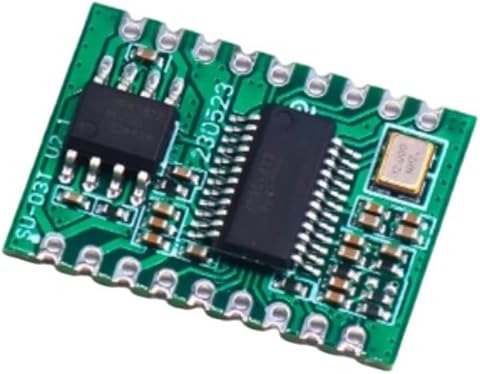 Local AI Voices Command Processor for Home Automation SystemsView on Amazon →
- 14
 AI Powered Smart Home Guide for Beginners 2026View on Amazon →
Impact of 2026’s Leading AI Home Devices
The emergence of these 14 devices signals a shift towards smarter, more autonomous homes. By integrating AI with local processing, they promise faster responses and better privacy, addressing consumer concerns over latency and data security. Their compatibility with multiple ecosystems will facilitate broader adoption, potentially transforming how homes are managed and automated. This evolution could also influence market standards and push manufacturers toward more open, interoperable solutions, ultimately benefiting consumers seeking seamless, intelligent living environments.Products Worth Considering

Oura Ring 5 Smart Ring, Silver, Size 10

Levoit Core 400S-P Smart Air Purifier for Large Rooms

Levoit EverestAir-P Smart Air Purifier for Large Rooms
As an affiliate, we earn on qualifying purchases.
Current Trends in AI Home Automation
The home automation market has experienced rapid growth, with AI integration becoming a key differentiator. Recent product launches have emphasized local AI processing to enhance privacy and reduce latency. Industry reports from sources like ThorstenMeyerAI.com indicate that devices supporting multi-protocol connectivity and open standards such as Matter are gaining popularity. The shift toward AI-driven automation is driven by consumer demand for more intuitive, responsive, and secure smart home experiences. As the market matures, the focus remains on balancing advanced features with ease of use and compatibility, setting the stage for the 2026 landscape.Uncertainties in Market Adoption and Technology
While these 14 devices are predicted to lead in 2026, it remains unclear how quickly consumers will adopt them on a broad scale. Market penetration depends on factors such as pricing, ease of integration, and consumer trust in AI privacy practices. Additionally, technological developments like improved local processing and multi-protocol support are still evolving, and some devices may face delays or compatibility issues. Regulatory and security concerns could also influence their adoption, but these aspects are still under discussion and development.
Upcoming Developments and Market Trends for 2026
Manufacturers are expected to release updated versions of these devices with enhanced AI capabilities, better interoperability, and streamlined setup processes. Industry analysts predict that standardization efforts, particularly around open protocols like Matter, will accelerate, fostering a more unified smart home ecosystem. Consumer interest in privacy-focused AI solutions will drive innovations in local processing. Market adoption will likely increase as these devices become more affordable and easier to integrate, setting the stage for widespread adoption in the next few years.
Key Questions
Will these AI home devices work with existing smart home systems?
Most of the predicted leading devices support popular protocols like Zigbee, Z-Wave, and Wi-Fi, and many are compatible with ecosystems such as Alexa, Apple HomeKit, and Google. Compatibility varies by device, so consumers should verify specific integrations before purchasing.
Are these AI devices secure and privacy-conscious?
Devices with local AI processing generally offer better privacy and security by minimizing data transfer to cloud servers. Reputable brands also implement encryption and regular updates. However, security depends on individual device practices and user configurations.
Can I expand or upgrade my smart home system later?
Yes, most modern AI home automation devices are designed to be scalable, supporting open standards like Matter and protocols like Zigbee or Z-Wave, making future expansion feasible and straightforward.
Will AI home automation devices require ongoing subscriptions?
Some advanced features, especially those relying on cloud AI, may involve subscription fees. Devices with local processing typically do not require ongoing costs, but this varies by product.
What is the main advantage of AI in home automation?
AI enables devices to learn user preferences, automate complex routines, and respond more intelligently and quickly, creating a more seamless and personalized home experience.
Source: ThorstenMeyerAI.com