
🔍 Read the full analysis: Future-Proof Your AI Recordings With These Studio Condenser Microphones 2026 on ThorstenMeyerAI.com

Turn your quiet moments into listening time
- Thousands of audiobooks, podcasts and originals
- Listen on your phone, tablet or Echo — also offline
- Cancel anytime
TL;DR
In 2026, leading studio condenser microphones like the RØDE NT1 Signature and Audio-Technica AT2020 are essential for high-quality AI recordings. This report covers top models, features, and what to consider for long-term use.
Multiple leading microphone brands have launched new studio condenser microphones in 2026, aiming to meet the evolving needs of AI and professional recording environments. For a detailed overview, see the 10 Best Studio Condenser Microphones in 2026. These models emphasize durability, superior sound quality, and versatile connectivity options, making them key tools for future-proof recordings. The developments are significant for content creators, studios, and AI developers seeking reliable, high-fidelity audio capture in the year ahead. To explore how AI-powered microphones can future-proof your studio, check out Future-Proof Your Studio With AI-Powered Condenser Microphones In 2026.
The RØDE NT1 Signature remains a top choice for overall performance, praised for its pristine sound and robust build quality. Its recent updates include enhanced internal components to ensure long-term durability, crucial for frequent recording sessions. The Audio-Technica AT2020, known for its affordability, continues to serve as an excellent entry-level condenser microphone, offering solid sound reproduction suitable for home studios and beginners. In 2026, the RØDE NT1 5th Gen introduced USB-C connectivity, aligning with modern digital workflows, though it commands a higher price point.
Manufacturers are increasingly integrating features like multiple pickup patterns, noise rejection, and improved shock mounts in their latest models. These enhancements aim to provide clearer recordings, minimize background noise, and facilitate versatile placement, all of which are vital for AI applications that depend on high-quality audio data. For more insights, see the original analysis at 10 Best Studio Condenser Microphones in 2026. The choice between XLR and USB models remains a key consideration, with XLR microphones still favored for professional-grade sound and expandability, while USB models appeal to ease of use and quick setup.
The 10 picks
- 1
 RØDE NT1 5th Gen Studio Condenser Microphone, XLR + USB-C, SilverView on Amazon →
- 2
 RØDE NT1 Signature Series Studio Condenser Microphone, BlackView on Amazon →
- 3
 Audio-Technica AT2020 Cardioid Condenser Studio XLR Microphone, BlackView on Amazon →
- 4
 AKG Pro Audio P120 – Affordable 2/3-Inch Diaphragm Condenser Microphone for C…View on Amazon →
- 5
 Melon Audio MA-87 Studio Condenser Microphone with AccessoriesView on Amazon →
- 6
 MAONO A04 Gen2 XLR/USB Condenser Microphone Kit for PC Podcast RecordingView on Amazon →
- 7
 Maono PM320S Condenser PC Microphone with XLR Cable, Boom Arm, Pop FilterView on Amazon →
- 8
 Mackie EM-Series Large-Diaphragm Condenser Microphone (EM-91C)View on Amazon →
- 9
 FIFINE T669 Studio Condenser USB Microphone for Recording and PodcastingView on Amazon →
- 10
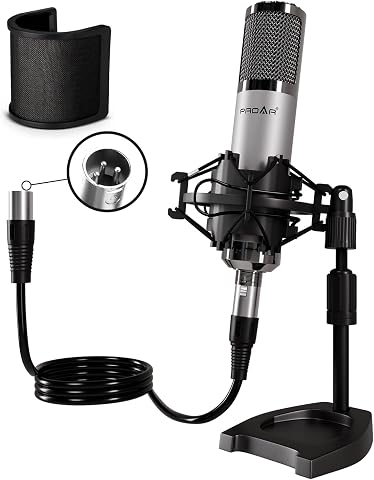 XLR Condenser Microphone with Desktop Stand for Vocals and PodcastingView on Amazon →
Why High-Quality Microphones Matter for AI Recordings
High-quality condenser microphones are essential for capturing precise, natural sound, which directly impacts the performance of AI systems relying on audio data. As AI applications expand into voice recognition, virtual assistants, and content creation, the need for consistent, clear recordings becomes critical. Investing in durable, feature-rich microphones in 2026 ensures that recordings remain reliable over time, reducing the need for frequent upgrades and maintaining high standards for AI training datasets. This development signals a shift toward more professional, long-term audio solutions that support the growth of AI-powered media and communication tools.
Products Worth Considering

BowFlex Results Series SelectTech Adjustable Dumbbells (Pair)

Therabody SmartGoggles 2nd Gen Heated Eye and Temple Massager

Oral-B iO Series 3 Rechargeable Electric Toothbrush for Adults, Black
As an affiliate, we earn on qualifying purchases.
2026 Microphone Market Trends and Developments
Over the past few years, the market for studio condenser microphones has seen steady innovation, driven by the increasing demand for high-fidelity audio in both professional studios and home setups. Recent releases in 2026 reflect a focus on durability, connectivity, and ease of use, with many models incorporating USB-C ports to match modern digital interfaces. Brands like RØDE and Audio-Technica continue to lead, updating their flagship models with enhanced features to meet the needs of AI developers, content creators, and musicians. The trend toward multi-pattern microphones and improved noise rejection aligns with the broader industry shift toward more versatile and reliable recording tools.
Prior to 2026, the market was characterized by incremental improvements, but recent flagship models now emphasize long-term durability and seamless integration with digital workflows, signaling a maturation of the condenser microphone segment.
“The new condenser microphones released in 2026 are setting a new standard for durability and sound clarity, which is essential for AI applications that demand consistent high-quality audio data.”
— Thorsten Meyer, audio technology expert
Unanswered Questions About 2026 Microphone Innovations
While new models boast advanced features, it remains unclear how well they perform in diverse real-world environments over extended periods. Long-term durability testing and user feedback are still emerging, and the full impact of these features on AI data quality has yet to be verified. Additionally, the cost-to-benefit ratio for some of the higher-end models, like the RØDE NT1 5th Gen, may influence adoption among smaller studios or individual users. The industry is still assessing how these innovations will influence broader AI applications and whether they will set new industry standards.
Upcoming Developments and Future Microphone Releases
Manufacturers are expected to continue refining their flagship models, with upcoming releases potentially offering even greater durability, enhanced noise rejection, and smarter connectivity options. Industry experts anticipate that integration with AI-driven audio processing tools will become a key feature, enabling microphones to adapt dynamically to recording environments. As the year progresses, user feedback and independent testing will shed light on the real-world performance of these new models, guiding both professional and amateur users in their purchasing decisions. Further, the expansion of wireless microphone options with high-fidelity sound quality is likely to influence future product lines.
Key Questions
Do I need a special audio interface for these new microphones?
Most XLR models still require an audio interface with phantom power, while USB-C models like the RØDE NT1 5th Gen have built-in interfaces, simplifying setup for most users.
Are these microphones suitable for live performances?
Condenser microphones are generally designed for studio use due to their sensitivity. They are not ideal for live stage performances, where dynamic microphones are preferred for handling high sound pressure levels and feedback resistance.
Will these microphones improve AI voice recognition accuracy?
High-quality, consistent recordings from these microphones can enhance AI training datasets, potentially improving voice recognition accuracy, especially in controlled environments.
How do I choose between USB and XLR microphones in 2026?
USB microphones are easier to set up and ideal for beginners or quick recordings, while XLR models offer higher audio fidelity and expandability for professional use. Your choice depends on your current setup and future needs.
What accessories should I consider for long-term use?
Shock mounts, pop filters, and quality cables are recommended to protect your microphone and improve recording quality, especially if you plan frequent or mobile recording sessions.
Source: ThorstenMeyerAI.com