Wearable tech for monitoring health includes devices like smartwatches and fitness bands that track essential signs, activity levels, and sleep patterns in real time. They help you make proactive health choices by providing continuous, personalized data, fostering better habits and motivation. Security features like encryption protect your sensitive information, building trust and encouraging consistent use. If you want to explore how these devices can improve your well-being and keep your data secure, there’s more to discover below.
Key Takeaways
- Wearable devices provide real-time health data like heart rate, sleep patterns, and activity levels for proactive health management.
- Security features such as encryption protect sensitive health information collected by wearables.
- User engagement through goal setting and progress tracking boosts motivation and promotes healthier habits.
- Safety features like auto shut-off and overheating prevention ensure secure and reliable device use.
- Trust in data security and consistent interaction enhance personalized health insights and overall wellbeing.
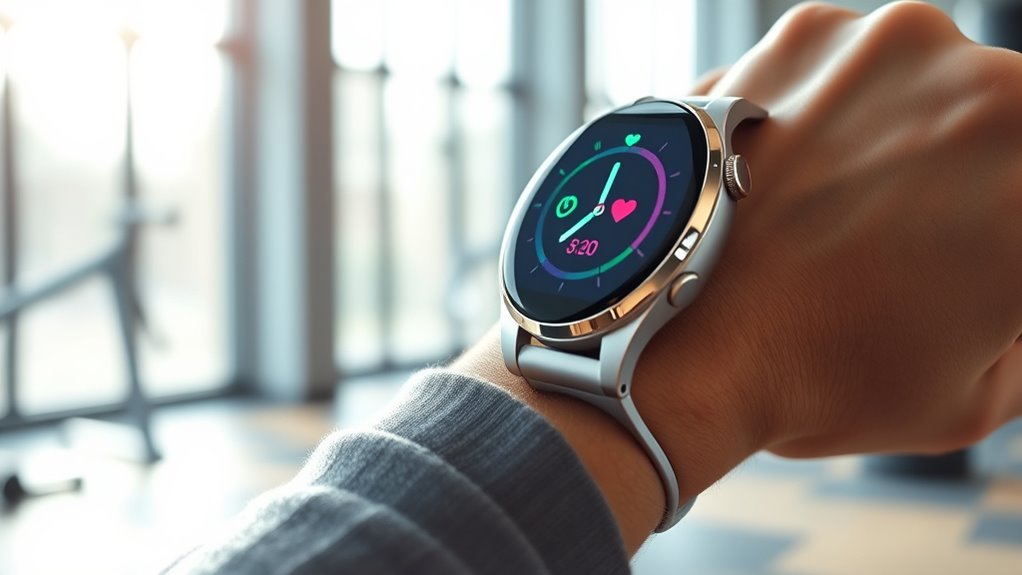
Have you ever wondered how wearable technology is transforming health monitoring? These devices, from smartwatches to specialized fitness bands, are revolutionizing the way you track and manage your health. They provide real-time data on vital signs like heart rate, sleep patterns, activity levels, and even stress. This constant stream of information helps you stay informed about your overall wellness, encouraging proactive health decisions. As you wear these gadgets daily, they become an integral part of your routine, making health monitoring seamless and accessible.
However, with the increased collection of personal health data comes the critical issue of data privacy. You need to be aware that these devices gather sensitive information, which could be vulnerable if not properly protected. Manufacturers implement various security measures, but it’s essential for you to stay vigilant. Read privacy policies carefully to understand how your data is stored, shared, and used. Opt for devices that prioritize encryption and user control over data sharing. Being proactive about your data privacy means you can enjoy the benefits of wearable tech without compromising your personal information.
Protect your health data by reading privacy policies and choosing devices with strong security features.
User engagement is another key factor in the success of wearable health devices. When you actively participate in your health journey, you’re more likely to see meaningful results. Wearable tech is designed to motivate you through features like goal setting, alerts, and progress tracking. These elements keep you engaged and committed to your health goals. The more you interact with your device—whether by logging activities, checking stats, or receiving feedback—the more valuable the insights become. This engagement turns passive monitoring into an empowering experience, helping you develop healthier habits over time.
Additionally, understanding the safety features of these devices, such as auto shut-off and overheating prevention, can help you use them more securely and effectively. The combination of data privacy and user engagement underscores the potential of wearable technology to genuinely improve your health management. When you trust that your personal information is secure, you’re more likely to use your device consistently and honestly. This regular use then leads to more accurate and personalized insights, enabling you to make smarter lifestyle choices. As technology advances, manufacturers are continuously enhancing security measures and user interfaces to foster this trust and participation.

Smart Watch Health Fitness Tracker with 24/7 Heart Rate, Blood Oxygen Blood Pressure Sleep Monitor, 115 Sports Modes, Step Calorie Counter Pedometer IP68 Waterproof for Android and iPhone Women Men
- Health Metrics Monitoring: Heart rate, blood oxygen, blood pressure, sleep tracking
- 115 Sports Modes: Wide range of sports activity tracking
- All-Day Activity Tracking: Steps, distance, calories burned
As an affiliate, we earn on qualifying purchases.
As an affiliate, we earn on qualifying purchases.
Frequently Asked Questions
How Accurate Are Wearable Devices in Detecting Health Issues?
Wearable devices can be quite accurate in detecting health issues, but their sensor accuracy varies depending on the device and activity. You might experience calibration challenges that impact consistency, especially over time or during intense movement. While many wearables provide valuable insights, they shouldn’t replace professional medical advice. Regular updates and proper calibration help improve accuracy, but always consult a healthcare professional for serious concerns.
Can Wearable Tech Replace Regular Medical Checkups?
Wearable tech can’t replace regular medical checkups, but it does support remote diagnostics and fitness tracking. You can monitor your health trends, catch early warning signs, and share data with your healthcare provider. However, wearables lack the thorough analysis and accuracy of professional medical exams. Keep using them as a supplement, not a substitute, to ensure your health stays on track with regular checkups.
Are Wearable Health Monitors Suitable for Children?
Think of a wearable health monitor for your child as a loyal guardian, always watching over their safety. These devices are designed with child safety and device durability in mind, making them suitable for everyday adventures. They help you stay connected and informed, providing peace of mind. While not a substitute for supervision, they’re a valuable tool to guarantee your child’s well-being during active moments and outdoor play.
How Does Data Privacy Work With Health Wearables?
You’re in control of your health data with wearables, as they use data encryption to protect your information from unauthorized access. Always guarantee you give informed user consent before sharing data, and review privacy policies to understand how your data is stored and used. Regularly update your device’s security settings, and choose reputable brands that prioritize privacy, so your personal health information stays secure and private.
What Are the Costs Associated With Advanced Wearable Health Devices?
Did you know that advanced wearable health devices can cost between $200 and $500? You might wonder about device affordability and insurance coverage. While prices vary, some insurers now cover part of the cost, making these devices more accessible. Keep in mind, ongoing costs like subscriptions for premium features or app services can add up. Research options carefully to find a device that fits your budget and health needs.

Fitbit Inspire 3 Health & Fitness Tracker with Stress Management, Workout Intensity, Sleep Tracking, 24/7 Heart Rate – 3-Month Google Health Premium Membership Included – Midnight Zen/Black
- Energy and Wellness Tracking: Helps you feel your best daily
- Device Compatibility: Works with iOS 16.4+ and Android 11+
- Activity and Fitness Monitoring: Includes readiness score, zone minutes, and exercise modes
As an affiliate, we earn on qualifying purchases.
As an affiliate, we earn on qualifying purchases.
Conclusion
As you explore wearable tech for monitoring health, you embrace a gentle shift toward greater awareness of your well-being. These devices subtly guide you to notice the quiet whispers of your body, encouraging a more mindful approach to health. While they may not have all the answers, they serve as considerate companions on your journey, helping you navigate life’s delicate balance with grace and insight. Ultimately, they invite you to listen more closely to yourself, fostering a quiet foundation for better living.

Optimus 3.0 GPS Tracker – Over 1 Month Battery – with Heavy Duty Waterproof Case and Powerful Magnets for Vehicles and Assets
- Real-Time GPS Tracking: Accurate and discreet tracking
- Heavy Duty Magnet Case: Secure attachment to assets
- Long Battery Life: Up to 2 months on a single charge
As an affiliate, we earn on qualifying purchases.
As an affiliate, we earn on qualifying purchases.

Advanced Health Smartwatch for Women Men with Real-Time Monitoring of Heart Rate, Blood Oxygen, Body Temperature, Blood Pressure, Sleep Auality and Stress Levels.Always-On Display, for Android & iOS
- Health Monitoring Sensors: Tracks heart rate, blood oxygen, temperature, blood pressure, sleep, stress
- Real-Time Health Data: 24/7 monitoring with reminders for hydration and activity
- Activity & Sports Tracking: Supports 150+ sports modes for comprehensive fitness tracking
As an affiliate, we earn on qualifying purchases.
As an affiliate, we earn on qualifying purchases.