

In today’s modern era, women’s health focuses on a holistic approach that considers hormonal changes, biology, and personalized medical care. You experience natural fluctuations in hormones that affect both body and mind, making awareness and balance essential. Advances like tailored hormone therapy and mindfulness help manage these shifts. Prioritizing your emotional and physical well-being is key to thriving through different life stages. Keep exploring to discover more ways to support your health and robustness.
Key Takeaways
- Holistic approaches now consider both physical and mental health aspects tailored to women’s unique hormonal needs.
- Advances in personalized hormone therapy enhance management of hormonal imbalances across different life stages.
- Mindfulness and stress reduction techniques are integrated into women’s health strategies to support emotional well-being.
- Increased awareness emphasizes proactive self-care and early intervention for preventing long-term health issues.
- Support networks and educational resources empower women to navigate hormonal fluctuations and maintain overall wellness.

Have you ever wondered why women’s health requires specialized attention? The answer lies in the unique biological, hormonal, and emotional factors that influence your well-being. Women experience a complex interplay of hormones like estrogen and progesterone, which directly impact not just reproductive health but also your overall physical and mental wellness. When these hormones are out of sync, it can lead to a range of issues, from mood swings to fatigue, making it essential to prioritize understanding and maintaining hormonal balance. Recognizing the importance of this balance helps you better manage symptoms associated with menstrual cycles, menopause, and other hormonal fluctuations, ultimately supporting your mental wellness.
Understanding hormonal balance is key to supporting women’s physical and mental wellness throughout life stages.
Hormonal balance isn’t just about avoiding physical discomfort; it’s deeply tied to your mental health. Imbalances can trigger feelings of anxiety, depression, or irritability, affecting your daily life and relationships. When your hormones are in harmony, you tend to feel more stable, focused, and resilient. This is why modern approaches to women’s health emphasize holistic strategies—such as proper nutrition, regular exercise, stress management, and sometimes medical intervention—to promote hormonal equilibrium. Maintaining this balance isn’t a one-time effort but a continuous process that can help prevent long-term health issues like osteoporosis, heart disease, or mood disorders.
Your mental wellness is equally essential. Women often juggle multiple roles—career, family, personal growth—and these responsibilities can take a toll on your emotional health. Recognizing the connection between hormonal health and mental wellness empowers you to seek appropriate support, whether through therapy, support groups, or medical advice. It’s essential to prioritize self-care and openly address mental health concerns, especially as hormonal changes occur during different life stages, like puberty, pregnancy, or menopause. Taking proactive steps can help you navigate these transitions with greater ease and confidence.
In today’s era, women’s health is increasingly seen as a holistic journey rather than just addressing isolated issues. Advances in medicine and a broader understanding of women’s unique needs mean that you now have more options for maintaining hormonal balance and mental wellness. From personalized hormone therapy to mindfulness practices, modern women are encouraged to take charge of their health. Incorporating mindfulness techniques can further support emotional stability and reduce stress during hormonal fluctuations. Ultimately, understanding the importance of hormonal balance and mental wellness allows you to lead a fuller, healthier life, with resilience and vitality at the forefront. Your health is an ongoing story—one that deserves attention, compassion, and proactive care.

DIM Supplement 200 mg | Estrogen Balance for Women & Men | Hormonal Acne, Hormone Balance, Menopause & Antioxidant Support | Clean Label Project Certified, Vegan & Soy Free Diindolylmethane | 60 Ct.
THE DIM SUPPLEMENT WOMEN WANT: Our DIM 200mg supplement for women provides must-have support at every stage of…
As an affiliate, we earn on qualifying purchases.
As an affiliate, we earn on qualifying purchases.
Frequently Asked Questions
How Does Menopause Affect Mental Health Long-Term?
Menopause can impact your long-term mental health due to hormonal changes that affect mood and cognition. You might experience increased anxiety, depression, or memory issues during and after this progression. These hormonal shifts can also influence your emotional resilience over time. To support your mental health, it’s important to stay active, seek professional help if needed, and maintain a healthy lifestyle to manage these changes effectively.
Are There Specific Health Risks for Women in Urban Versus Rural Areas?
You’re more likely to face urban health risks like pollution and stress, which can impact your long-term wellbeing. In contrast, rural disparities often mean limited access to healthcare, increasing risks for chronic conditions and emergencies. While city life offers quicker medical help, rural areas may lack resources, making it harder to stay healthy. Understanding these differences helps you navigate your health choices better, wherever you live.
What Are the Latest Advancements in Breast Cancer Screening Technology?
You’ll find that recent advancements in breast cancer screening include 3D mammography, which offers clearer images and better detection rates, especially for dense breast tissue. Additionally, AI diagnostics now assist radiologists by analyzing scans more accurately and quickly, reducing false positives and enabling earlier diagnosis. These innovations are transforming screening practices, making them more precise and accessible, ultimately improving outcomes for women across diverse populations.
How Can Women Better Manage Stress-Related Health Issues?
You can better manage stress-related health issues by incorporating mindfulness techniques into your daily routine, which help calm your mind and reduce anxiety. Pair this with nutritional strategies like eating balanced meals rich in vitamins and omega-3s to support your body’s resilience. When you focus on these practices consistently, you’ll find your stress levels decrease, and your overall health improves, creating a natural rhythm that promotes well-being.
What Role Does Genetics Play in Women’s Chronic Illnesses?
Genetics play a significant role in women’s chronic illnesses through genetic predisposition and hereditary factors. You inherit specific genes that can increase your risk for conditions like autoimmune diseases, diabetes, or heart disease. Understanding your family health history helps you identify potential risks early. While genetics influence susceptibility, lifestyle choices also impact whether these conditions develop, so proactive health management remains essential to mitigate hereditary risks.

Practicing Mindfulness: 75 Essential Meditations to Reduce Stress, Improve Mental Health, and Find Peace in the Everyday
As an affiliate, we earn on qualifying purchases.
As an affiliate, we earn on qualifying purchases.
Conclusion
Now that you understand the importance of awareness, the power of prevention, and the value of self-care, you can take control of your health. Embrace your journey, educate yourself, and advocate for your well-being. Prioritize your body, listen to your mind, and nurture your spirit. Remember, your health is your foundation, your strength, your story. By staying informed, staying proactive, and staying empowered, you can thrive in the modern era of women’s health.

O Positiv FLO Ovarian Health Support – Hormone Balance for Women, Supplement with DIM, Myo & D-Chiro Inositol, Folic Acid – Supports Healthy Ovulation, Cycle Regularity – 30 Servings
For Easier Regular Periods: Formulated to support normal ovarian function for hormone management, cycle regularity, and reproductive health.*
As an affiliate, we earn on qualifying purchases.
As an affiliate, we earn on qualifying purchases.
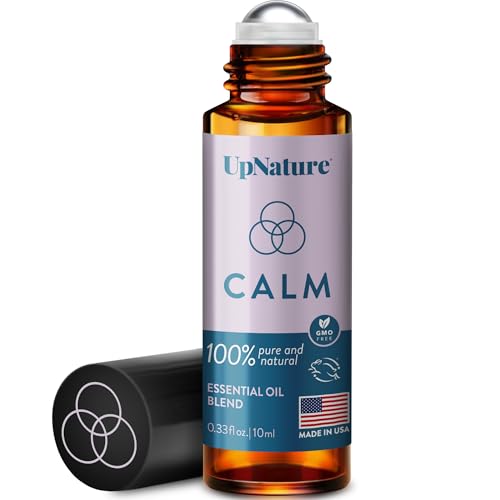
UpNature Calm Essential Oil Roll On – Self Care Gifts for Mom Women Her – 100% Natural Aromatherapy Blend for Relaxation Relief
Aromatherapy – Discover the power of relaxation with UpNature's Calm Essential Oil Roll-On Blend. This 100% natural aromatherapy…
As an affiliate, we earn on qualifying purchases.
As an affiliate, we earn on qualifying purchases.