
To avoid orthosomnia, focus on using sleep trackers mindfully and avoid obsessing over every data point. Choose reliable devices and interpret the information as helpful insights rather than strict success measures. Establish a calming bedtime routine, maintain a consistent sleep schedule, and practice relaxation techniques. Remember, perfect sleep isn’t necessary for rest and recovery. If you want to learn how to balance tracking with peaceful sleep habits, you’ll find useful strategies ahead.
Key Takeaways
- Choose reliable, user-friendly sleep trackers and prioritize privacy to prevent unnecessary stress from inaccurate or invasive data.
- Focus on sleep quality and overall well-being instead of obsessing over exact sleep metrics.
- Establish consistent sleep routines and relaxing bedtime rituals to improve sleep naturally.
- Practice mindfulness and relaxation techniques to reduce anxiety related to sleep monitoring.
- Seek professional help if sleep issues persist despite lifestyle adjustments to avoid developing orthosomnia.
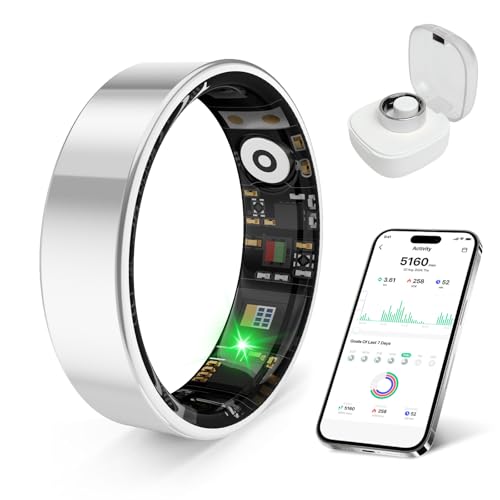
prxxhri Smart Health Ring, Featuring Stress and Sleep Monitoring Functions, Compatible with iOS and Android,Waterproof Fitness Tracker for Women & Men, No Subscription Fee. (Silver, 11)
【Check the Size Before Purchase】 Before buying the prxxhri Smart Ring, we strongly suggest that you refer to…
As an affiliate, we earn on qualifying purchases.
As an affiliate, we earn on qualifying purchases.
What Is Orthosomnia and How Sleep Tracking Can Make It Worse

Have you ever become obsessed with your sleep data, feeling anxious every time your tracker shows less-than-perfect numbers? That’s what orthosomnia is—an unhealthy sleep obsession fueled by sleep tracking. It’s a condition where you become fixated on achieving “perfect” sleep, causing more anxiety than rest. Instead of helping, sleep tracking can worsen this issue by making you hyper-aware of every flicker of sleep fluctuations. This constant monitoring can lead to anxiety management becoming counterproductive, trapping you in a cycle of worry. You might start believing your sleep is always inadequate, even when it’s normal. Recognizing orthosomnia helps you understand that sleep doesn’t have to be perfect to be restorative. The key is to use sleep data thoughtfully, avoiding obsession and reducing anxiety.
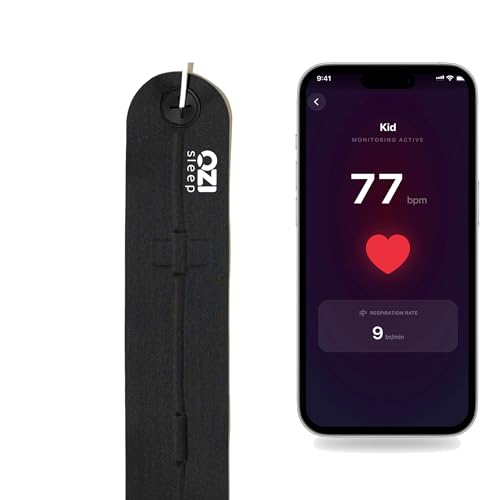
Sleep Tracker, Non-Wearable Contactless Under-Sheet Sleep Monitor, No Monthly Fees, Tracks Sleep Stages, Heart Rate, Breathing, Movement and Bed-Exit for Adults, Kids 5+, Families and Caregivers
NO WATCH, NO RING, NO CAMERA — OZI Sleep slides under your sheet to track overnight sleep patterns…
As an affiliate, we earn on qualifying purchases.
As an affiliate, we earn on qualifying purchases.
How to Recognize If Sleep Tracking Is Fueling Your Anxiety
Recognizing if sleep tracking is fueling your anxiety involves paying close attention to how you feel about your sleep patterns. If you notice yourself obsessing over nightly data or feeling distressed when results aren’t ideal, it’s a sign your device may be increasing anxiety. Practicing mindful awareness helps you observe these reactions without judgment, allowing you to identify emotional triggers linked to sleep concerns. Emotional regulation becomes essential here—if your sleep data sparks worry or frustration, take a step back and focus on calming techniques. Additionally, understanding utilitarianism can provide insight into how personal responsibilities impact your sleep quality and mental well-being. Remember, sleep tracking should support healthy habits, not create unnecessary stress. By staying aware of your emotional responses and maintaining a balanced perspective, you can prevent sleep monitoring from fueling anxiety rather than improving your rest. Exploring digital content formats can also enhance your understanding of how different methods of tracking may affect your emotional state. Furthermore, ensuring proper color accuracy in your sleep environment can lead to a more restful atmosphere conducive to better sleep quality. Consider creating seating areas in your bedroom that promote relaxation and comfort, as this can significantly enhance your overall sleep experience.

Handheld Sleep Aid Device, Anxiety Device, Relief Anxiety Help Sleep, Promotes Rest, USB Rechargeable
【Sleep Pulse Anxiety Aid Adjustment】Upgraded Version Sleep Aid Device.Experience personalized relaxation with 20 scientifically calibrated intensity levels. Low-frequency…
As an affiliate, we earn on qualifying purchases.
As an affiliate, we earn on qualifying purchases.
Choosing the Best Sleep Trackers for Healthy Monitoring

When selecting a sleep tracker, focus on accuracy and reliability to guarantee your data is meaningful. Look for user-friendly features that make monitoring simple and stress-free. Choosing the right device helps you stay informed without feeling overwhelmed or obsessed. Additionally, consider models with advanced filtration systems that can help eliminate allergens for a healthier sleep environment. To enhance your sleep quality, explore how cultural festivals can promote relaxation and community engagement. Incorporating elements of classic arcade games can also provide a fun way to unwind and reduce stress after a long day. Furthermore, using a solar-powered security solution can enhance your environment, allowing for a more peaceful night’s sleep. Investing in a quality sleep tracker can also improve your understanding of optimal sleep patterns, leading to better overall health.
Accuracy and Reliability
Choosing the right sleep tracker hinges on its accuracy and reliability, guaranteeing you get meaningful insights into your sleep patterns. Reliable devices accurately measure sleep stages, duration, and disturbances without false alarms. Sensor calibration is essential for consistent data, so look for trackers that fine-tune their sensors regularly. Additionally, incorporating essential oils like peppermint oil can promote relaxation, which may enhance your sleep quality. Also, prioritize data privacy; trusted brands safeguard your sleep data. Here’s a quick comparison:
| Feature | Importance | Tips |
|---|---|---|
| Sensor Calibration | Ensures consistent, accurate readings | Choose devices with automatic calibration |
| Data Privacy | Protects your sensitive health info | Read privacy policies before buying |
| Accuracy & Reliability | Maintains trust in your data | Read reviews and independent tests |
Moreover, understanding regional flavors in coffee and tea can enhance your overall wellness routine and potentially improve your sleep quality. This way, you’ll find a tracker that provides precise, trustworthy data without compromising your privacy.
User-Friendly Features
To effectively monitor your sleep without feeling overwhelmed, prioritize sleep trackers that feature intuitive interfaces and easy-to-use controls. User-friendly devices simplify tracking sleep hygiene habits, helping you establish consistent routines without adding stress. Look for trackers with clear displays, straightforward navigation, and seamless syncing with apps. Some devices offer dream analysis insights, giving you a gentle understanding of your sleep cycles without overcomplicating the process. The goal is to encourage healthy habits rather than obsess over every detail. A simple, accessible tracker helps you stay aware of your sleep patterns while avoiding anxiety or obsession. By choosing tools that are easy to operate, you can focus on improving sleep quality naturally, rather than getting caught up in complex data or perfectionism. Additionally, utilizing online tools for passive voice detection can enhance your writing clarity, making it easier to communicate your sleep insights effectively.
Sleep Tracker, Non-Wearable Contactless Under-Sheet Sleep Monitor, No Monthly Fees, Tracks Sleep Stages, Heart Rate, Breathing, Movement and Bed-Exit for Adults, Kids 5+, Families and Caregivers
NO WATCH, NO RING, NO CAMERA — OZI Sleep slides under your sheet to track overnight sleep patterns…
As an affiliate, we earn on qualifying purchases.
As an affiliate, we earn on qualifying purchases.
How to Use Sleep Data Without Increasing Stress
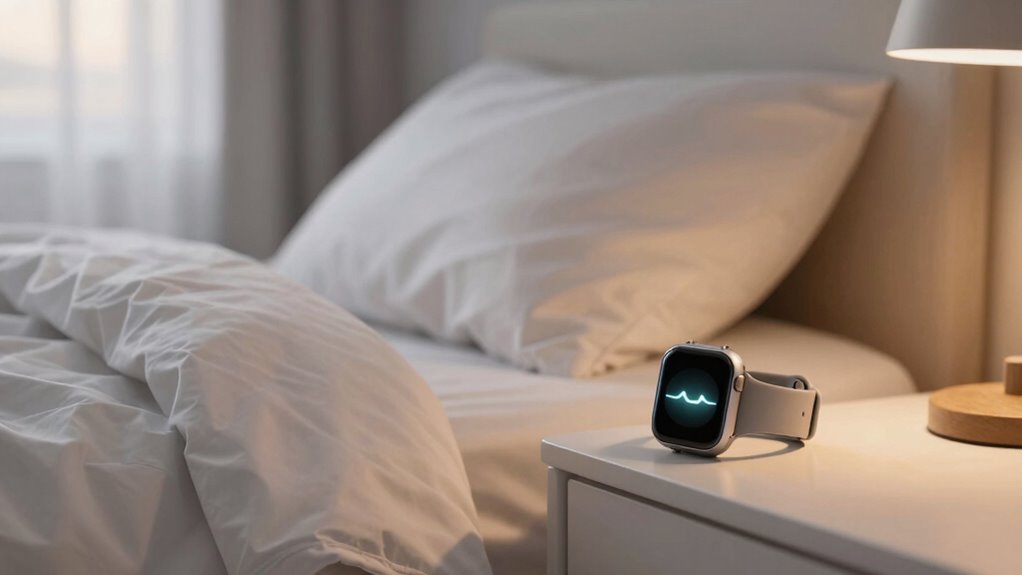
Tracking your sleep can be helpful, but it’s easy to let the data turn into a source of stress. To prevent this, practice mindful awareness—acknowledging your sleep patterns without judgment. Focus on how you feel during the day rather than obsessing over exact numbers or trends. Use your sleep data as a tool for insight, not as a strict metric of success or failure. If you notice stress creeping in, take a step back and breathe deeply. Incorporate stress management techniques like meditation or deep breathing to keep your mind calm. Remember, sleep tracking is meant to support your health, not undermine it. Additionally, consider incorporating music therapy into your routine to enhance relaxation and emotional well-being. Foam rolling can also improve your recovery and HRV by helping to release muscle tension and promote relaxation. Creative storytelling can also help you reframe your relationship with sleep data by emphasizing personal growth over perfection. Just as it’s important to address sleep quality, being aware of water damage prevention can help maintain a healthy living environment. Families with babies and pets can benefit from safe travel practices to ensure everyone’s comfort while traveling. Keep a balanced perspective, and don’t let data overshadow your overall well-being.
Building a Healthy Sleep Routine and Mindset
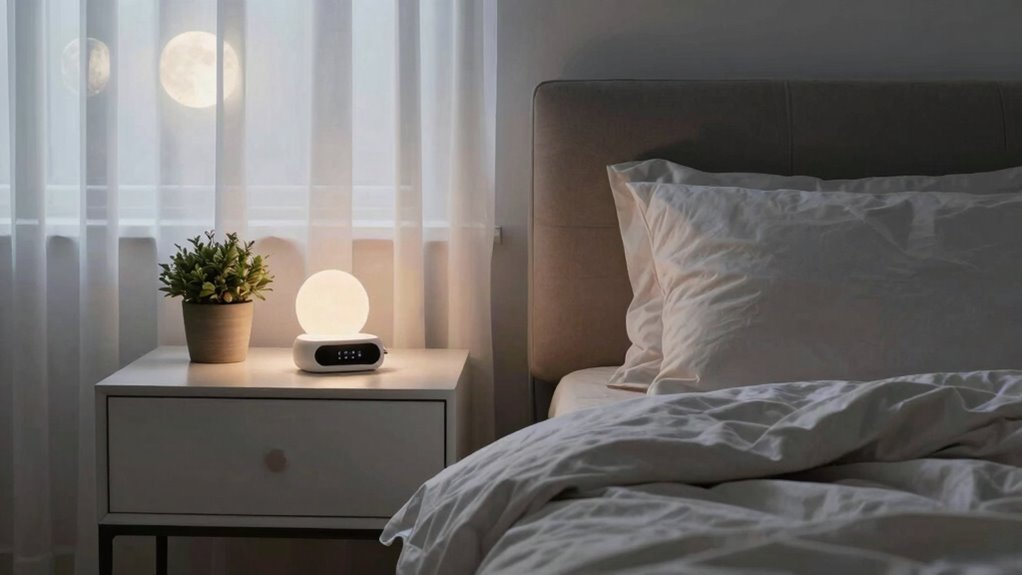
Creating a consistent sleep schedule helps your body know when to wind down and wake up, making restful sleep more natural. Establishing relaxing bedtime rituals can signal to your mind that it’s time to unwind, reducing stress and easing into sleep. By focusing on these habits, you set the foundation for a healthy sleep mindset without obsession. Additionally, incorporating body-based healing techniques can enhance your overall relaxation and support deeper sleep. Engaging in mindfulness practices can also improve your sleep quality by reducing anxiety and promoting mental clarity. Moreover, understanding the impact of technology on sleep can help you make informed choices about your devices and their usage before bedtime. Building a strong community around shared experiences can further enrich your journey towards healthier sleep. Exploring the benefits of emotional depth in storytelling, as seen in animated films, can inspire reflective practices that promote relaxation and self-awareness.
Establish Consistent Sleep Schedule
Establish Consistent Sleep Schedule (Building a Healthy Sleep Routine and Mindset)
Having a consistent sleep schedule is one of the most effective ways to improve your overall sleep quality. Prioritizing sleep hygiene and maintaining bedtime consistency helps regulate your internal clock, making it easier to fall asleep and wake up refreshed. When your sleep times are predictable, your body adapts, reducing nighttime awakenings and daytime fatigue. It’s natural to feel frustrated if your schedule fluctuates, but sticking to regular sleep and wake times builds a healthy rhythm. Remember, consistency nurtures better sleep habits and supports mental clarity. Additionally, practicing relaxation techniques can significantly enhance your ability to wind down before bed.
Incorporating biohacking techniques can further enhance your sleep quality and overall well-being.
- Feel the relief of waking up energized, ready to face the day
- Experience fewer restless nights and morning grogginess
- Reclaim control over your sleep, reducing anxiety and obsession
- Embrace a peaceful, predictable nightly routine
Cultivate Relaxing Bedtime Rituals
Establishing relaxing bedtime rituals can substantially enhance your ability to wind down and prepare your mind for restful sleep. Consider incorporating activities like dream journaling, which helps process your thoughts and signals to your brain that it’s time to relax. Aromatherapy techniques, such as diffusing lavender or chamomile, can create a calming environment that encourages sleep. Establishing a consistent routine—like reading a book, practicing gentle stretches, or listening to soothing music—further signals your body to wind down. Avoid screens at least 30 minutes before bed, as blue light can interfere with melatonin production. These rituals foster a sense of calm, reduce stress, and set a peaceful tone for sleep, helping you drift off more easily without obsessing over sleep quality.
When to Consult a Sleep Professional for Persistent Issues
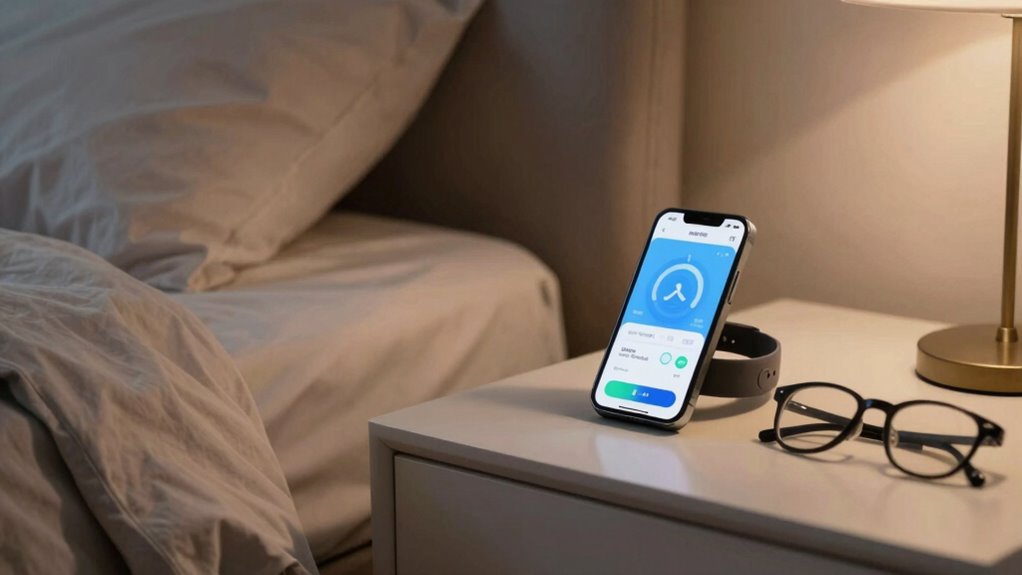
If your sleep problems persist despite trying various strategies, it’s important to recognize when professional help is needed. Poor sleep can affect your overall well-being, and addressing it may require a medical consultation. Signs you should seek help include ongoing fatigue, difficulty functioning during the day, or feeling frustrated despite improving sleep hygiene. Don’t ignore persistent issues that disrupt your life. Consulting a sleep professional can help identify underlying conditions and develop tailored solutions. Remember, prioritizing your sleep health is essential for your health and happiness. If sleep continues to be a struggle, taking action now can prevent long-term problems and restore restful nights. Trust your instincts—professional guidance can make all the difference in reclaiming quality sleep.
Frequently Asked Questions
Can Sleep Tracking Apps Improve Sleep Quality Long-Term?
Sleep tracking apps can improve your sleep quality long-term if you use sleep technology mindfully. They help you identify patterns and disruptions, encouraging better habits. However, focus on understanding your sleep patterns without obsessing over data. Use insights as a guide, not a fixation. Balance is key—combine tracking with relaxation techniques and consistent routines to truly enhance your sleep health over time.
What Are Common Signs of Sleep Obsession?
Think of sleep obsession as a shadow that grows with every restless night. You might notice sleep anxiety creeping in, making you constantly check your rest monitoring data, worried about every beep and blink. If you find yourself obsessing over perfect sleep scores or feeling anxious when data doesn’t match your expectations, it’s a sign you’re too attached to your sleep tracking. Balance is key; don’t let rest monitoring turn into a sleep thief.
How Do I Prevent Sleep Tracking From Becoming Compulsive?
To prevent sleep tracking from becoming compulsive, practice mindful awareness of your habits and emotions around sleep. Set balanced routines, such as limiting tracking to certain nights and avoiding obsessing over every detail. Focus on overall sleep quality rather than perfect scores, and remind yourself that occasional variability is normal. By maintaining a healthy perspective and incorporating these strategies, you can enjoy the benefits of sleep tracking without it taking over your life.
Are There Specific Sleep Trackers Recommended for Beginners?
In the days of dial-up internet, choosing the right sleep tracker is key. For beginners, opt for devices known for good device accuracy and user comfort, like the Fitbit Inspire 2 or the Xiaomi Mi Band 6. These trackers offer reliable sleep data without overwhelming you. They’re simple to use, non-intrusive, and provide insightful feedback, helping you monitor sleep patterns without fostering obsession or anxiety.
How Does Diet Influence Sleep Quality and Tracking Results?
Your diet impacts sleep quality considerably because nutrient effects influence how well you rest. For example, heavy meals or caffeine close to bedtime can disrupt your sleep patterns and skew your tracking results. To get accurate data, focus on a balanced diet rich in magnesium and try to avoid processed foods and stimulants in the evening. This way, your sleep tracker provides more reliable insights, helping you improve your sleep habits effectively.
Conclusion
Remember, while tracking your sleep can be helpful, don’t let it become a source of stress. If you find yourself obsessing or feeling anxious about your sleep data, take a step back and focus on creating a calming routine. As the saying goes, “A healthy mind leads to healthy sleep.” Keep your approach balanced, and if issues persist, don’t hesitate to seek professional guidance. Your well-being is worth it.