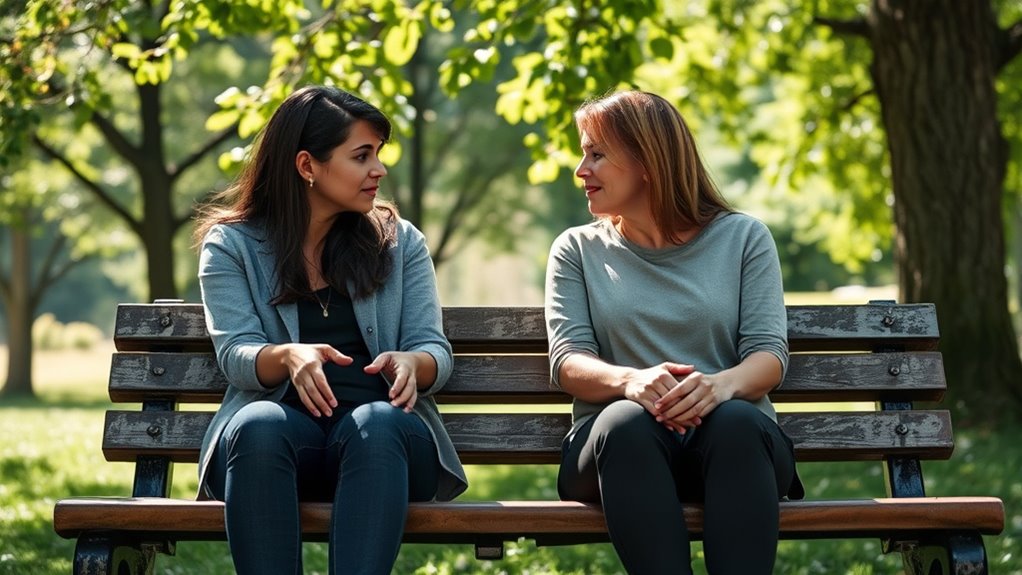

Resolving conflict with respect involves actively listening to the other person and showing empathy for their feelings and perspective. Focus on understanding rather than responding impulsively, and respond thoughtfully to create a safe space for open dialogue. By fostering mutual respect, you can de-escalate emotions and find common ground more easily. If you stay committed to practicing these skills, you’ll discover more effective ways to turn disagreements into opportunities for growth and stronger relationships.

Turn your quiet moments into listening time
- Thousands of audiobooks, podcasts and originals
- Listen on your phone, tablet or Echo — also offline
- Cancel anytime
Key Takeaways
- Practice active listening by giving full attention and reflecting back to understand the other person’s perspective.
- Show empathy by considering their feelings and motivations, even if you disagree.
- Keep a respectful tone and avoid interruptions to foster open, safe dialogue.
- Focus on collaborative problem-solving rather than assigning blame or winning the argument.
- Manage emotions calmly to de-escalate tension and promote mutual understanding.

Conflict is a natural part of human interaction, but how you handle it can make all the difference. When disagreements arise, your response can either escalate the situation or facilitate understanding. One of the most effective tools in resolving conflicts with respect is active listening. Instead of rushing to defend your position or dismissing the other person’s feelings, focus on truly hearing what they’re saying. This means giving your full attention, avoiding interruptions, and reflecting back what you’ve heard to verify clarity. When you listen actively, you show that you value the other person’s perspective, which helps create a safe space for open dialogue. It also minimizes misunderstandings that often fuel conflict. Incorporating empathy development into your approach can deepen mutual understanding and foster a more respectful resolution process.
Alongside active listening, empathy development plays a vital role in managing disagreements respectfully. Developing empathy doesn’t mean you have to agree with the other person, but it does involve understanding their feelings and motivations. When you make an effort to see the situation from their point of view, you foster mutual respect and trust. You might ask yourself questions like, “How might they be feeling right now?” or “What experiences have shaped their perspective?” This shift in mindset helps you respond more compassionately and thoughtfully, rather than with hostility or defensiveness. Empathy encourages a collaborative approach, where both parties feel heard and validated, setting the stage for constructive problem-solving.
Practicing active listening and empathy doesn’t happen naturally overnight; it requires intention and patience. When you’re engaged in a conflict, remind yourself to stay present and resist the urge to formulate your response prematurely. Instead, listen fully, then respond thoughtfully, demonstrating that you understand their concerns. This approach often calms heightened emotions, making it easier to find common ground. By showing genuine interest and compassion, you help de-escalate tension and foster a respectful atmosphere. Over time, these skills strengthen your relationships, making future conflicts less intimidating and more manageable.
As an affiliate, we earn on qualifying purchases.
Frequently Asked Questions
How Can I Stay Respectful During Heated Disagreements?
To stay respectful during heated disagreements, focus on active listening and empathy expression. Pay close attention to what the other person says, showing you’re truly engaged. Use kind words and avoid interrupting. Try to understand their perspective, even if you disagree. Stay calm, breathe deeply, and respond thoughtfully. This approach helps keep the conversation respectful, promotes mutual understanding, and prevents escalation, making it easier to find common ground.
What Are Common Mistakes to Avoid in Respectful Conflict Resolution?
You should avoid passive aggression and interrupting others during conflicts, as these habits can escalate tensions and hinder respectful resolution. Instead, focus on listening actively and expressing your feelings directly. Don’t dismiss or dismiss others’ perspectives, even if you disagree. By staying calm and respectful, you foster understanding and find common ground. Remember, respectful conflict resolution thrives on open communication and genuine empathy, not on passive or disruptive behaviors.
How Do Cultural Differences Impact Respectful Communication?
Cultural differences markedly impact respectful communication by requiring you to practice cultural sensitivity and recognize communication barriers. You should be aware that gestures, tone, or expressions might be misunderstood across cultures, so take the time to learn about others’ backgrounds. By showing openness and patience, you can bridge gaps, foster understanding, and create a respectful environment where diverse perspectives are valued and conflicts are resolved constructively.
Can Conflict Always Be Resolved Respectfully?
Conflict can’t always be resolved respectfully, especially when power dynamics are uneven or when conflict escalation occurs. You might find that some situations involve deeply rooted issues or emotional stakes that make respectful resolution difficult. In such cases, maintaining respect requires conscious effort, clear boundaries, and sometimes external help. Recognize when respect might be compromised and prioritize safety and understanding, even if full resolution isn’t immediately possible.
What Role Does Emotional Intelligence Play in Resolving Conflict?
You play a crucial role in resolving conflict through emotional intelligence. By honing your emotional awareness, you can better read others’ feelings and respond thoughtfully. Developing empathy helps you see situations from their perspective, fostering understanding and connection. These skills allow you to navigate disagreements smoothly, turning potential clashes into opportunities for growth. Emotional intelligence acts as your silent guide, helping you approach conflicts with patience, respect, and genuine care.
As an affiliate, we earn on qualifying purchases.
Conclusion
Remember, resolving conflict with respect turns adversaries into allies, much like how Captain Kirk negotiated peace in uncharted galaxies. When you stay calm, listen actively, and choose words wisely, you create a space where understanding can flourish—no matter if you’re in a medieval tavern or modern-day office. So, embrace patience and empathy; it’s your secret weapon to turn any spat into a shared victory. Because in the end, respect truly is the ultimate peace treaty.
conflict resolution guide for couples
As an affiliate, we earn on qualifying purchases.
As an affiliate, we earn on qualifying purchases.
respectful communication skills course
As an affiliate, we earn on qualifying purchases.
As an affiliate, we earn on qualifying purchases.
Fall Picks
fall essentials
As an affiliate, we earn on qualifying purchases.