

To build stronger relationships, focus on developing your emotional intelligence by understanding and managing your feelings, and recognizing others’ emotions. Practice empathy to foster genuine connection, listen actively, and address conflicts calmly and thoughtfully. Pay attention to emotional cues like tone and body language to prevent misunderstandings early. These skills create trust, respect, and open communication, making your relationships more resilient and rewarding. Keep exploring, and you’ll discover more ways to strengthen your emotional connections.
Key Takeaways
- Developing empathy enhances understanding and compassion, strengthening emotional connections in relationships.
- Recognizing and responding to emotional cues early prevents conflicts from escalating.
- Managing emotions effectively fosters trust and open communication between partners.
- Using active listening and validation promotes mutual respect and resolves disagreements constructively.
- Building emotional intelligence creates a safe environment, encouraging honesty and deeper intimacy.

Building strong relationships often hinges on understanding and managing emotions, and that’s where emotional intelligence comes in. When you develop your emotional intelligence, you become better equipped to navigate the complexities of human interactions. Central to this is empathy development, which allows you to genuinely understand and share the feelings of others. As you cultivate empathy, you can see situations from different perspectives, making your responses more compassionate and thoughtful. This skill is vital because it helps prevent misunderstandings and fosters trust, laying a solid foundation for any relationship.
Building strong relationships relies on understanding, managing emotions, and cultivating empathy to foster trust and compassion.
In addition to empathy, emotional intelligence enhances your ability to resolve conflicts effectively. Conflict resolution isn’t about avoiding disagreements but addressing them constructively. When you can recognize your own emotions and those of others, you gain clarity about the underlying issues fueling disagreements. This awareness helps you stay calm and centered during tense moments, rather than reacting impulsively. You learn to listen actively, which involves giving your full attention and validating the other person’s feelings, even if you don’t agree with them. This approach diminishes defensiveness and opens the door to mutually acceptable solutions.
Practicing empathy development also means you’re more likely to identify subtle emotional cues, such as tone of voice or body language. These cues often reveal unspoken concerns or frustrations that, if ignored, could escalate conflicts. By tuning into these signals, you can address issues early and prevent them from becoming larger problems. When conflicts do arise, applying emotional intelligence techniques helps you respond thoughtfully instead of emotionally reacting. You acknowledge the other person’s feelings, express your own calmly, and work toward compromises that respect both parties’ needs.
Furthermore, developing emotional intelligence fosters patience and understanding, qualities that are essential for resolving conflicts in a healthy way. It encourages you to see disagreements as opportunities for growth rather than threats to your relationship. When you approach conflicts with empathy and emotional awareness, you create a safe space for open dialogue. This leads to stronger bonds because both sides feel heard and valued, even in challenging moments. Additionally, understanding the importance of emotion recognition can significantly improve your ability to interpret subtle emotional cues and respond appropriately.
Ultimately, emotional intelligence isn’t just about managing your own emotions; it’s about creating a deeper connection with others through empathy and effective conflict resolution. As you improve these skills, you’ll notice your relationships become more resilient, built on mutual understanding and respect. The effort you put into developing your emotional intelligence pays off by making your interactions more genuine, less reactive, and more rewarding for everyone involved.

The Emotional Intelligence Training Book: From Reaction to Response: 50 Short Lessons in Self-Awareness, Self-Regulation, and Relationships
As an affiliate, we earn on qualifying purchases.
As an affiliate, we earn on qualifying purchases.
Frequently Asked Questions
How Does Emotional Intelligence Influence Conflict Resolution?
Emotional intelligence influences conflict resolution by enhancing your emotional awareness and interpersonal skills. When you recognize your feelings and understand others’, you can respond calmly rather than react impulsively. This awareness helps you listen actively, empathize, and find mutually beneficial solutions. By managing emotions effectively, you create a positive environment that fosters understanding, making conflicts easier to resolve and strengthening your relationships through better communication and empathy.
Can Emotional Intelligence Be Improved With Practice?
Yes, emotional intelligence can be improved with practice. You can enhance your self-awareness growth by regularly reflecting on your emotions and reactions. Using emotional regulation techniques, like deep breathing or mindfulness, helps manage your responses better. Consistently applying these strategies strengthens your ability to understand and control your emotions, leading to stronger relationships and better conflict resolution over time. Practice makes progress, so stay committed to developing your emotional intelligence skills.
What Are Common Barriers to Developing Emotional Intelligence?
Did you know that over 60% of people struggle with developing emotional intelligence? Common barriers include a lack of self-awareness and difficulty with emotional regulation. When you’re unaware of your emotions or can’t manage them effectively, it hinders growth. To overcome these obstacles, focus on increasing your self-awareness and practicing emotional regulation techniques, which are key steps toward building stronger relationships and better understanding yourself and others.
How Does Emotional Intelligence Differ From Empathy?
Emotional intelligence differs from empathy in that it involves emotional awareness—recognizing and understanding your own feelings and others’. While empathy development focuses on genuinely feeling and understanding others’ emotions, emotional intelligence includes managing your emotions and responding appropriately. You actively use emotional awareness to navigate interactions, making empathy a essential component. Together, they help you build stronger relationships by fostering deeper understanding and emotional connection.
Are There Specific Exercises to Boost Emotional Intelligence at Home?
Yes, you can boost emotional intelligence at home with simple exercises. Practice mindfulness exercises daily to increase awareness of your emotions and reactions. Incorporate journaling techniques to reflect on your feelings, triggers, and responses, helping you understand yourself better. These activities strengthen your emotional insight, making it easier to connect with others. Commit to these routines consistently, and you’ll notice improvements in your emotional understanding and relationship skills.

Communication FUNdamentals – Illustrated Nonviolent Communication (NVC) Primer to Learn Empathy, Active Listening & Conflict Resolution
SPEAK FROM THE HEART! Learn the tools and consciousness of Nonviolent Communication (NVC) to speak and listen from…
As an affiliate, we earn on qualifying purchases.
As an affiliate, we earn on qualifying purchases.
Conclusion
As you nurture your emotional intelligence, imagine a bridge forming between you and your loved ones—solid, warm, and resilient. Each moment of empathy and understanding lights the way like gentle lanterns guiding you through the darkest nights. With every heartfelt connection, your relationships blossom like a vibrant garden, full of life and harmony. Embrace these skills, and watch your bonds deepen, creating a sanctuary where love and trust flourish under the soft glow of your genuine care.

The Definitive Book of Body Language: The Hidden Meaning Behind People's Gestures and Expressions
Used Book in Good Condition
As an affiliate, we earn on qualifying purchases.
As an affiliate, we earn on qualifying purchases.
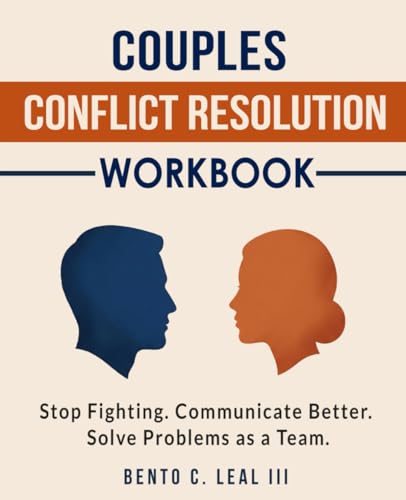
Couples Conflict Resolution Workbook: Stop Fighting. Communicate Better. Solve Problems as a Team. (Relationship Skills Series)
As an affiliate, we earn on qualifying purchases.
As an affiliate, we earn on qualifying purchases.