
Regenerative medicine harnesses your body’s natural ability to heal itself through techniques like stem cell therapy and tissue engineering. By using specialized cells, scaffolds, and growth factors, it targets damaged tissues and promotes repair from within. These innovative approaches aim to restore full function, reduce reliance on donor organs, and offer targeted, effective treatments. To learn more about how these advanced methods are transforming healthcare and giving hope to many, keep exploring further.
Key Takeaways
- Regenerative medicine uses stem cells and tissue engineering to repair and replace damaged tissues from within the body.
- Stem cell therapy provides the raw materials for natural tissue regeneration, promoting healing in injuries and degenerative conditions.
- Tissue engineering combines cells, biomaterials, and growth factors to create functional tissue replacements tailored to damaged areas.
- These approaches aim for minimally invasive treatments with shorter recovery times, restoring full function internally.
- Emerging technologies, including sound healing and personalized therapies, enhance the body’s innate regenerative capabilities.

Have you ever wondered how medicine can restore damaged tissues or organs? It’s a fascinating field called regenerative medicine, which focuses on repairing or replacing tissues through innovative techniques like stem cell therapy and tissue engineering. These approaches aim to heal from within, offering hope for conditions once considered irreversible. Instead of merely managing symptoms, regenerative medicine seeks to restore full function by encouraging your body to rebuild itself.
Stem cell therapy plays a vital role in this process. It uses specialized cells capable of transforming into various tissue types, depending on the need. When you receive stem cell treatments, you’re essentially providing your body with the raw materials it needs to regenerate damaged areas. These cells can differentiate into muscle, nerve, or cartilage cells, helping to repair injuries and degenerative diseases. This approach is especially promising for conditions like spinal cord injuries, osteoarthritis, and heart disease, where tissue damage is significant. By injecting stem cells into affected sites, you give your body a boost, encouraging natural healing processes. Over time, these cells integrate into existing tissues, promoting regeneration and restoring function.
Tissue engineering complements stem cell therapy by combining cells, biomaterials, and growth factors to create functional tissue replacements. Imagine scaffolds made of biocompatible materials that serve as a framework for new tissue growth. These scaffolds can be shaped to match the damaged area, providing structural support as new cells grow and organize themselves. The goal is to develop lab-grown tissues or even entire organs, which can then be transplanted into your body. This technology not only reduces dependence on donor organs but also minimizes rejection risks because the tissues are customized from your own cells. For example, scientists are working on bioengineered skin for burn victims or cartilage for joint repair, making previously impossible repairs a reality.
Both stem cell therapy and tissue engineering are transforming the future of medicine. They harness your body’s innate ability to heal and amplify it with scientific advancements. Instead of long recovery times and limited options, these methods offer targeted, effective solutions. As research progresses, expect to see more personalized treatments that restore health from within, improving quality of life for countless individuals. If you or someone you know faces chronic injury or degenerative disease, regenerative medicine might one day provide the healing power your body needs—naturally, efficiently, and completely. Sound vibrations are also being explored as a complementary approach, harnessing the science of sound healing to further enhance regenerative processes.
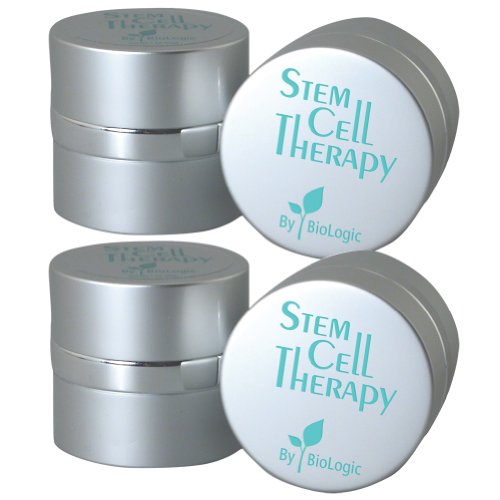
Biologic Stem Cell Wrinkle Therapy – (Set of 2)
- Reactivates stem cells to reduce wrinkles: Stimulates skin's own stem cells
- Advanced bioactive cream formula: Promotes skin regeneration
- Creates smooth, firm, supple skin: Supports skin renewal
As an affiliate, we earn on qualifying purchases.
As an affiliate, we earn on qualifying purchases.
Frequently Asked Questions
Are Regenerative Treatments Suitable for Children?
Regenerative treatments can be suitable for children, but you should consider pediatric safety and treatment limitations. These therapies are still evolving, so doctors carefully evaluate each child’s condition. While some regenerative options show promise for healing and tissue repair, there are restrictions based on age, health, and the specific treatment. Always consult with a pediatric specialist to understand if regenerative medicine is appropriate and safe for your child’s unique needs.
How Long Does Recovery Typically Take?
Think of recovery like waiting for dial-up internet to connect—you might feel it takes forever, but patience pays off. Typically, your rehabilitation timeline varies based on the treatment and the child’s condition, often spanning weeks to months. Post-treatment care is vital; it guarantees proper healing. While some children may recover quickly, others need more time, so always follow your healthcare provider’s guidance for a smoother healing process.
What Are the Risks Involved With Regenerative Therapies?
You should be aware that regenerative therapies carry risks like ethical concerns and uncertain long-term safety. These treatments involve manipulating cells or tissues, which can raise questions about source and consent. Additionally, the long-term effects aren’t fully understood yet, so there’s a chance of unforeseen complications. Always consult with a qualified healthcare professional to weigh the potential benefits against these risks before proceeding.
Can Regenerative Medicine Cure Chronic Diseases?
Regenerative medicine, including stem cell therapy and tissue engineering, shows promise for treating some chronic diseases, but it can’t guarantee a cure yet. You might experience improvements in symptoms or tissue repair, but full eradication of diseases remains uncertain. Advances are ongoing, and research continues to explore how these therapies can better target chronic conditions. Stay informed and consult your healthcare provider to understand the potential benefits and limitations for your specific situation.
Is Regenerative Medicine Covered by Insurance?
Insurance coverage for regenerative medicine varies depending on your provider and treatment type. Some treatments might be partially covered, while others aren’t covered at all, which can lead to high treatment costs. You should check with your insurance company beforehand to understand your coverage options. It’s essential to ask about treatment costs and whether the procedure qualifies for any benefits or discounts to avoid unexpected expenses.

Handbook of Tissue Engineering Scaffolds: Volume One (Woodhead Publishing Series in Biomaterials)
As an affiliate, we earn on qualifying purchases.
As an affiliate, we earn on qualifying purchases.
Conclusion
As you embrace regenerative medicine, you realize healing isn’t just about fixing what’s broken but about restoring hope from within. It’s a future where scars fade, and new life begins—yet, it’s also a reminder of how fragile yet resilient your body truly is. While technology advances, the true miracle lies in your body’s innate ability to heal itself. Together, you can discover a world where pain turns to possibility, and recovery becomes a profound act of hope.

Bio-Instructive Scaffolds for Musculoskeletal Tissue Engineering and Regenerative Medicine
As an affiliate, we earn on qualifying purchases.
As an affiliate, we earn on qualifying purchases.

Regenerative Medicine for the Treatment of Urinary Incontinence
As an affiliate, we earn on qualifying purchases.
As an affiliate, we earn on qualifying purchases.