📊 Full opportunity report: World Model Readiness: Are You Ready for AI That Acts? on ThorstenMeyerAI.com — validation score, market gap, and execution plan.

Turn your quiet moments into listening time
- Thousands of audiobooks, podcasts and originals
- Listen on your phone, tablet or Echo — also offline
- Cancel anytime
TL;DR
AI development is shifting from language models to world models that predict and act within environments. A new diagnostic tool helps organizations evaluate their preparedness for this transition, which has significant implications for safety and operational control.
AI systems are rapidly advancing from models that describe or predict language to those capable of predicting and acting within real-world environments. A new diagnostic tool, World Model Readiness, has been introduced to help organizations evaluate their preparedness for this shift, which could significantly impact safety, oversight, and operational control.
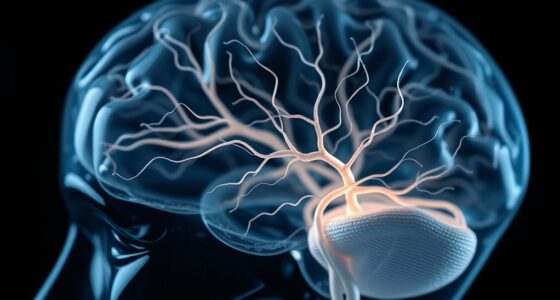
The transition from language-based models to world models involves AI systems that build internal representations of how environments work, enabling them to predict changes and consequences of actions. Companies like Meta, Google DeepMind, Nvidia, and others are actively developing such models, with recent examples including Genie 3 generating real-time 3D worlds and Meta’s V-JEPA 2 for robotics.
According to experts, including Yann LeCun, the focus is shifting from models that generate text or images to those that understand and anticipate environment dynamics. This evolution raises questions about organizational readiness, such as access to comprehensive environment data, process representability, supervision capabilities, and understanding failure modes. The World Model Readiness diagnostic aims to assess these factors, providing a clear picture of preparedness for deploying predictive, action-capable AI systems.
World Model Readiness — are you ready for AI that acts?
LLMs describe. World models predict and act. The next AI shift isn’t “have we adopted a chatbot” — it’s whether you’d know what to do with a model that anticipates consequences.
Independent commentary, produced with AI assistance under human editorial oversight. The views are the author’s own and may change. World Model Readiness is an early, positioning-stage diagnostic — an assessment framework, not a prediction, guarantee, or technical advice; its conclusions depend on the framework’s assumptions. “World models” are an emerging, rapidly-evolving area of AI; statements about the field reflect publicly reported developments as of mid-2026 and may quickly date. References to companies, labs, and products describe public reporting and imply no affiliation, endorsement, or verification. Product, model, and company names are trademarks of their respective owners.
Implications of Transitioning to Action-Oriented AI
This shift matters because AI that predicts and acts introduces new risks and operational challenges. Without proper readiness, organizations risk deploying systems that act unpredictably or cause unintended harm. The diagnostic helps identify gaps in data, supervision, and calibration, enabling safer and more effective integration of these advanced AI models into real-world workflows.
As an affiliate, we earn on qualifying purchases.
Rapid Developments in World Model Research and Deployment
Over the past three years, the AI community has moved from focusing on large language models to developing world models that understand environment dynamics. Notable milestones include Meta’s V-JEPA 2, Google’s Genie 3, and investments from major players like Nvidia and Waymo. These models aim to perceive, understand, and act within complex environments, marking a significant technological evolution. Despite this progress, the field remains in early stages, with current systems still limited by data requirements, the ‘reality gap,’ and calibration challenges.
“The move from describe to act changes what organizations need to be ready for, because action without prediction is dangerous.”
— Thorsten Meyer, AI researcher
As an affiliate, we earn on qualifying purchases.
Uncertainties About Practical Deployment and Safety
While the development of world models is progressing rapidly, significant uncertainties remain regarding their reliability, safety, and real-world applicability. Current models are data- and compute-intensive, and the ‘reality gap’—the difference between simulated predictions and actual environment behavior—remains a major challenge. It is not yet clear how quickly organizations can close this gap or how effective existing diagnostics will be in guiding safe deployment.
As an affiliate, we earn on qualifying purchases.
Next Steps for Organizations and Developers
Organizations should start evaluating their data infrastructure, supervision processes, and calibration capabilities using the World Model Readiness diagnostic. As research progresses, expect further refinement of these tools and increased emphasis on safety and oversight. Industry-wide, the focus will likely shift toward establishing standards for safe deployment and monitoring of predictive, action-capable AI systems.
predictive AI systems for organizations
As an affiliate, we earn on qualifying purchases.
As an affiliate, we earn on qualifying purchases.
Key Questions
What is a world model in AI?
A world model is an AI system that builds an internal representation of how an environment works, allowing it to predict future states and the consequences of actions within that environment.
Why is readiness for world models important?
Readiness is crucial because AI systems capable of predicting and acting can cause unintended consequences if not properly managed. Assessing organizational preparedness helps prevent risks and ensures safer deployment.
What does the World Model Readiness diagnostic measure?
The diagnostic evaluates whether an organization has the necessary data, processes, supervision, and calibration in place to effectively work with predictive, action-capable AI systems.
Are current world models ready for real-world deployment?
Most current systems are still in early stages, with significant challenges related to the ‘reality gap’ and data requirements. Widespread, safe deployment remains a work in progress.
What should organizations do now?
Organizations should begin assessing their data, supervision, and calibration capabilities using the World Model Readiness diagnostic, and stay informed about ongoing research and safety standards.
Source: ThorstenMeyerAI.com
Evergreen bestsellers Picks
bestsellers
As an affiliate, we earn on qualifying purchases.