
TL;DR

Turn your quiet moments into listening time
- Thousands of audiobooks, podcasts and originals
- Listen on your phone, tablet or Echo — also offline
- Cancel anytime
AI-driven digital twins are increasingly used in urban oversight, offering benefits like improved emergency response and traffic management. However, concerns about corporate dependency, privacy, and societal control remain unresolved. The future of urban governance hinges on shared ownership and purpose limits.
Artificial Intelligence-powered digital twins are increasingly integrated into city management, enabling real-time monitoring and decision-making. This development is reshaping urban oversight strategies, raising questions about governance, privacy, and social control, and is of interest to policymakers, technologists, and citizens alike.
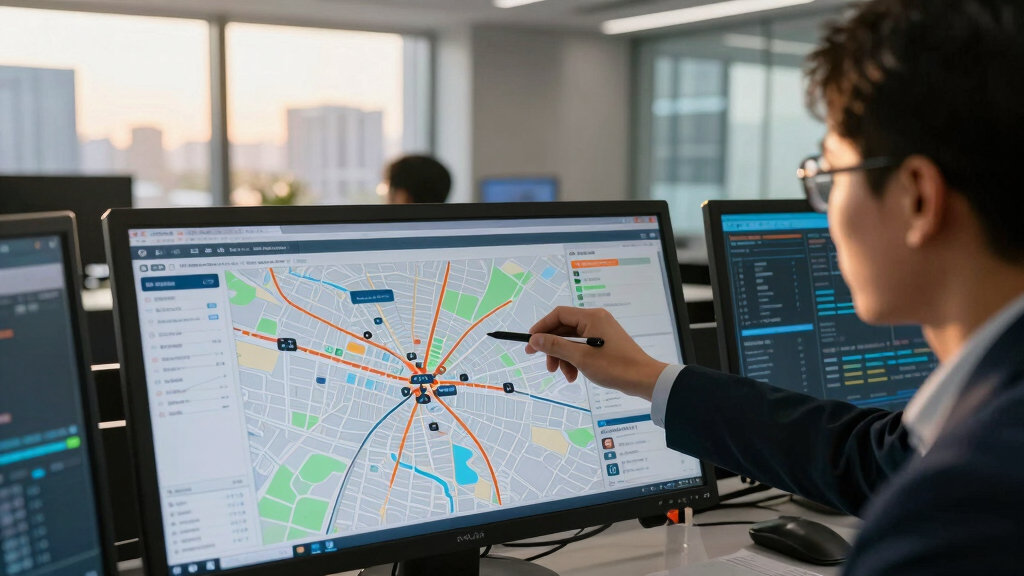
Urban digital twins are virtual replicas of cities fed by sensors, satellite imagery, and mobility data. They are used for applications such as flood response, traffic optimization, and infrastructure planning. Major vendors dominate the market, creating a lock-in effect that raises concerns about long-term dependency and monopolistic control, as highlighted by experts like Thorsten Meyer.
In some cities, including Barcelona, there are ongoing debates over data privacy and GDPR compliance, especially regarding operational data that includes citizens’ movements and business activities. Privacy-preserving technologies are advancing, but their adoption remains inconsistent and often superficial, according to recent research.
Societally, digital twins are evolving from tools for city management to potentially intrusive behavioral mirrors, with risks of surveillance, inequality reinforcement, and reduced contestability. These issues are compounded by the dual-use nature of the underlying technologies, which can also be used for surveillance or military purposes, as noted by industry analysts.
Implications of AI-Driven Urban Oversight
This trend matters because digital twins influence critical aspects of city life, from emergency responses to social equity. The concentration of control among platform vendors could limit public oversight and accountability, while privacy concerns threaten citizens’ rights. The way cities govern these tools will determine whether they serve public interests or deepen societal divides.
As an affiliate, we earn on qualifying purchases.
Evolution and Risks of Urban Digital Twins
Since 2018, digital twins have expanded from business models to government applications, culminating in increasingly sophisticated AI integration. Cities like Rotterdam are experimenting with shared ownership models to mitigate vendor lock-in, while others face challenges in maintaining transparency and purpose limitations. The debate over governance, privacy, and societal impact has intensified as these technologies become more embedded in urban infrastructure.
“Once a city’s planning, flood response, and traffic control run through one vendor’s digital twin, the exit costs are civilizational-grade.”
— Thorsten Meyer
As an affiliate, we earn on qualifying purchases.
Unresolved Questions About Governance and Privacy
It is still unclear how widespread shared ownership models like Rotterdam’s will succeed in practice, or whether purpose limitation enforcement will be effectively implemented across jurisdictions. There remains ongoing debate about the adequacy of privacy protections and the potential for misuse of data within urban digital twins.
city management digital twin devices
As an affiliate, we earn on qualifying purchases.
As an affiliate, we earn on qualifying purchases.
Key Developments to Watch in Urban Digital Twins
Future developments include the potential adoption of shared ownership structures, stricter enforcement of purpose limitations, and increased demand for contractual rights for companies whose data is ingested by city twins. Monitoring these indicators will reveal whether urban oversight becomes more transparent, accountable, and privacy-conscious in the coming years.
AI-powered traffic management system
As an affiliate, we earn on qualifying purchases.
As an affiliate, we earn on qualifying purchases.
Key Questions
What are digital twins in urban management?
Digital twins are virtual, real-time replicas of cities created using sensor data, satellite imagery, and mobility information to support urban planning and emergency response.
What are the main risks associated with AI-driven city digital twins?
Risks include vendor lock-in, loss of public control, privacy violations, societal surveillance, and reinforcement of inequalities.
How are cities addressing privacy concerns in digital twin deployment?
Some cities are exploring privacy-preserving technologies like differential privacy and secure multi-party computation, but standardization and enforcement remain inconsistent.
What is the future of governance for digital twins?
Potential future models include shared ownership structures, purpose limitation enforcement, and transparent data governance frameworks to ensure public accountability.
Source: ThorstenMeyerAI.com
Fall Picks
fall essentials
As an affiliate, we earn on qualifying purchases.