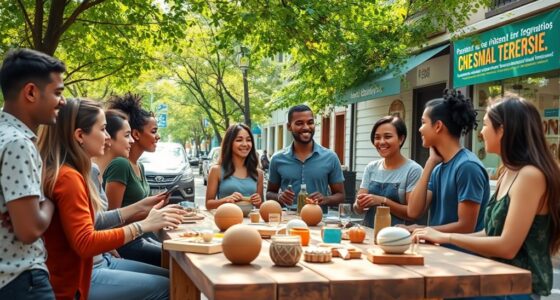

Representation in media and pop culture influences how you see yourself and others. Authentic and respectful portrayals of diverse races, genders, and abilities help challenge stereotypes and foster understanding. When media reflects real experiences, it promotes empathy and breaks down societal barriers. On the other hand, superficial stereotypes can reinforce harmful ideas. By exploring further, you’ll discover how genuine representation not only shapes perceptions but also drives meaningful social change.
Listen free for 30 days with Audible
Thousands of audiobooks and originals — cancel anytime.
As an affiliate, we earn on qualifying purchases.
Key Takeaways
- Media shapes societal perceptions by influencing beliefs about identity, diversity, and norms through representation.
- Genuine and respectful portrayal of diverse groups fosters empathy and breaks down stereotypes.
- Multi-dimensional characters challenge oversimplified stereotypes, promoting understanding of marginalized communities.
- Authentic representation impacts societal norms and individuals’ self-concept, encouraging inclusivity.
- Media can drive social change by highlighting diverse experiences and promoting cultural inclusivity.
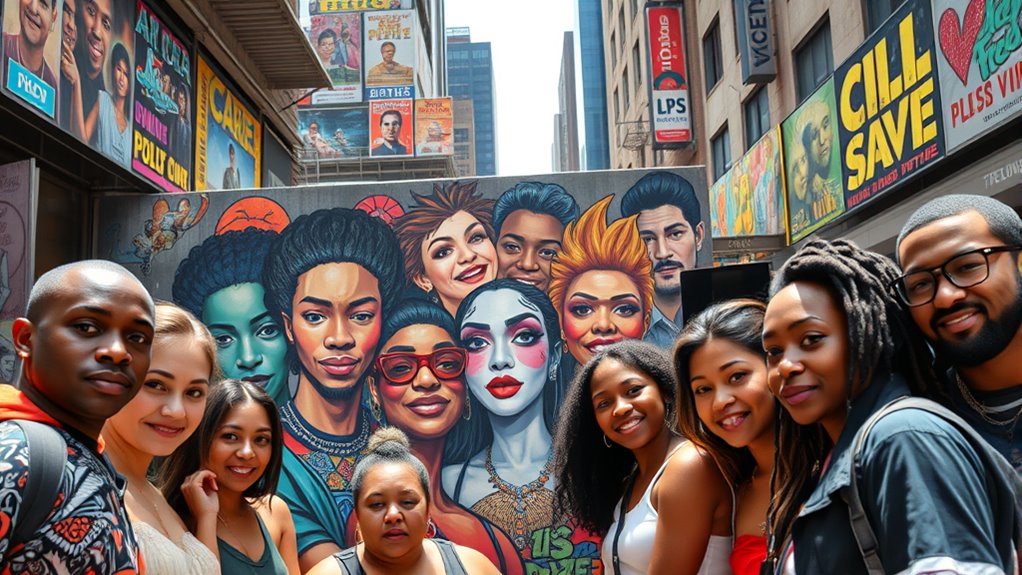
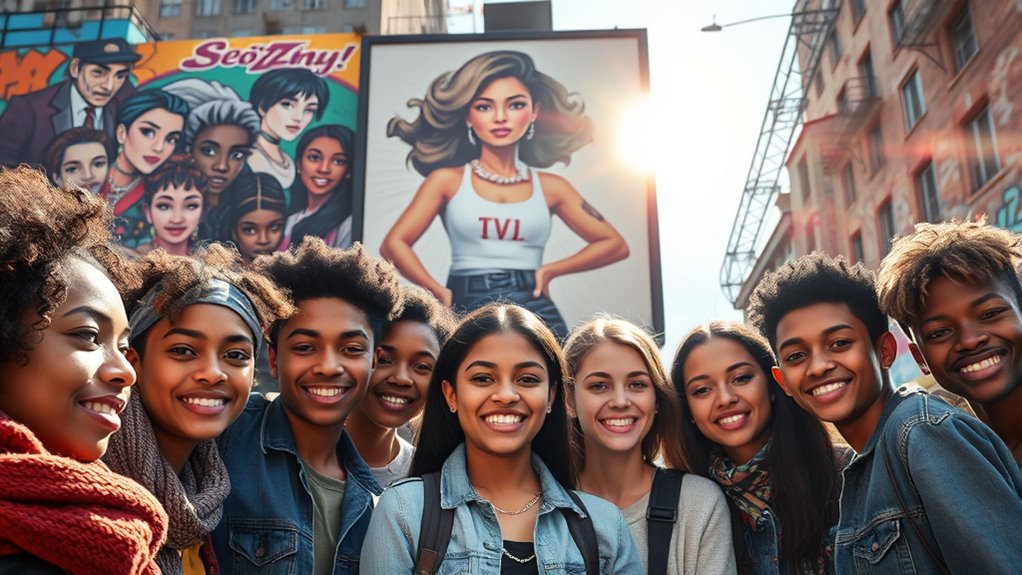
Have you ever noticed how media and pop culture shape the way we see ourselves and others? It’s everywhere—movies, TV shows, social media, and advertisements—all influence our perceptions and beliefs. One of the most impactful aspects is how diversity is portrayed. When you see varied representations of race, gender, sexual orientation, and abilities, it broadens your understanding of what’s possible and normal. But it’s not just about including different groups; it’s about how authentically and respectfully these groups are depicted. When diversity portrayal is genuine, it helps break down barriers and fosters empathy. Conversely, when representation is superficial or stereotypical, it reinforces harmful ideas you might have unconsciously adopted. That’s where stereotype challenges come into play. Media has the power to challenge stereotypes by presenting nuanced, complex characters that defy cliches. Instead of showing people from marginalized groups as one-dimensional or defined solely by their struggles, media can highlight their individuality, strengths, and contradictions. When you’re exposed to such portrayals, it encourages you to question your assumptions and see people beyond stereotypes. For example, a character from a minority background who is shown as a leader, a hero, or a caring parent challenges the narrow roles often assigned to such groups. This helps you realize that everyone is multi-faceted and that societal stereotypes are often oversimplified or incorrect. The media’s ability to showcase diverse stories also pushes creators to move beyond tokenism—where diversity is included just to tick a box—and instead focus on meaningful representation. When you see authentic stories that reflect the realities of different communities, it creates a more inclusive cultural landscape. It also signals to those communities that their experiences matter. As a viewer, you become more aware of the importance of representation and the impact it has on shaping societal norms and individual identities. This awareness can motivate you to support media that promotes true diversity and challenges stereotypes. Additionally, predictive modeling in educational data mining can be used to better understand which representations resonate most with different audiences, thereby informing more effective storytelling. Ultimately, the portrayal of diversity and the effort to challenge stereotypes in media influence how you view yourself and others. They shape social norms and influence your perceptions of what’s acceptable, possible, and valuable. By recognizing these portrayals and their effects, you can become a more conscious consumer of media, advocating for stories that reflect reality in all its complexity. In this way, media becomes a powerful tool for fostering understanding, empathy, and change.
diverse representation in media books
As an affiliate, we earn on qualifying purchases.
As an affiliate, we earn on qualifying purchases.
Frequently Asked Questions
How Has Social Media Influenced Diversity in Media?
Social media activism has notably boosted diversity in media by giving underrepresented groups a platform to share their stories. You see more influencer diversity now, as creators from different backgrounds gain visibility and challenge stereotypes. This online movement encourages brands and creators to be more inclusive, fostering a broader range of voices and perspectives. As a result, social media helps shape a more diverse and authentic media landscape that reflects real-world experiences.
What Role Does Funding Play in Diverse Representation?
Think of funding as the engine driving diversity in media. When funding disparities exist, it’s like trying to run a race with a weakened engine—you won’t go far. You see, investments in diverse stories and creators are essential; without them, representation stalls. By increasing diversity investments, you empower underrepresented voices, ensuring they get the resources needed to thrive, ultimately enriching media with authentic, varied perspectives.
Are There Global Differences in Media Representation Standards?
Yes, there are global differences in media representation standards. You’ll notice that cultural narratives shape what’s considered acceptable, often influenced by regional stereotypes. In some countries, media might emphasize traditional roles, while others promote diversity and inclusion. These differences reflect local values and history, affecting how groups are portrayed. As a viewer, you’ll see varying levels of representation, highlighting the importance of understanding regional contexts and challenging stereotypes worldwide.
How Does Representation Impact Audience Perceptions and Stereotypes?
Representation shapes your perceptions by reinforcing stereotypes, influencing how you view different groups or identities. When media consistently portrays certain characters in limited roles, it solidifies stereotypes in your mind. Conversely, diverse and accurate representation broadens your understanding, challenges stereotypes, and fosters empathy. You see the world through these portrayals, so positive representation can transform your perceptions and reduce bias, creating a more inclusive and understanding society.
What Future Trends Are Predicted for Inclusive Media?
You can expect future media to focus more on animation diversity and casting inclusivity. Creators will prioritize representing different backgrounds, abilities, and identities to reflect real-world variety. As audiences demand more authentic stories, you’ll see more characters from diverse cultures and experiences. Casting will become more inclusive, giving opportunities to underrepresented groups. These trends will make media more relatable and foster greater understanding among viewers worldwide.
authentic multicultural character figurines
As an affiliate, we earn on qualifying purchases.
As an affiliate, we earn on qualifying purchases.
Conclusion
Remember, your choices shape the stories told and who gets to see themselves on screen. As you watch and create, challenge stereotypes and demand authentic representation. It’s like assembling a playlist—each diverse voice adds richness and depth. If you don’t speak up now, future generations might still be stuck in a “Mad Men” era of narrow portrayals. So, be the hero behind the scenes, because change starts with you, right here, right now.
inclusive media portrayal posters
As an affiliate, we earn on qualifying purchases.
As an affiliate, we earn on qualifying purchases.
multidimensional character action figures
As an affiliate, we earn on qualifying purchases.
As an affiliate, we earn on qualifying purchases.
Fall Picks
fall essentials
As an affiliate, we earn on qualifying purchases.