
TL;DR

Turn your quiet moments into listening time
- Thousands of audiobooks, podcasts and originals
- Listen on your phone, tablet or Echo — also offline
- Cancel anytime
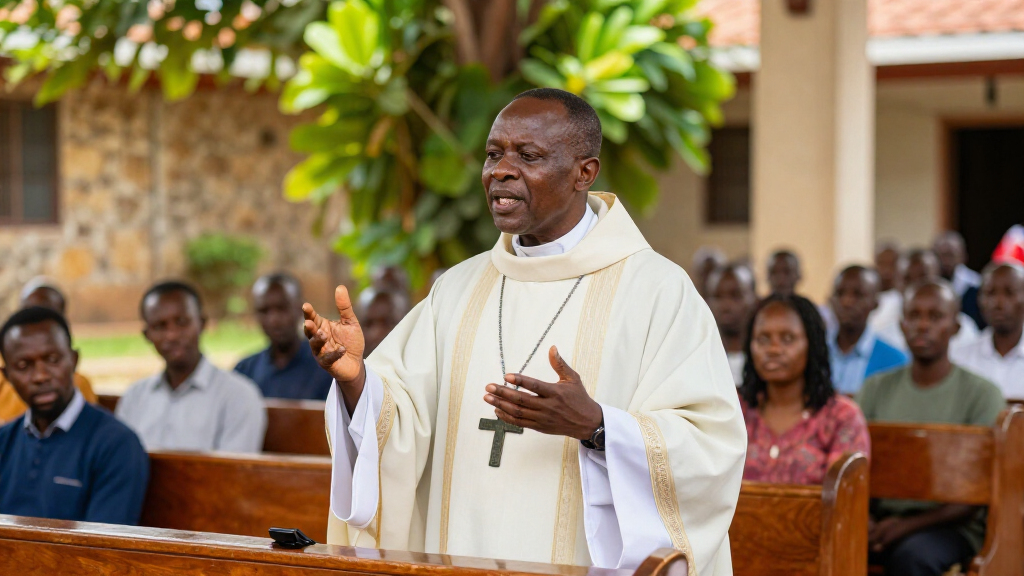
Rt. Rev Jonathan Kabiru, the third bishop of the ACK Diocese of Nairobi, publicly acknowledged the significant changes brought by devolution in the county. His remarks underline the evolving landscape of the church’s role amid local government reforms.
Rt. Rev Jonathan Kabiru, the third Bishop of the ACK Diocese of Nairobi, has publicly acknowledged that devolution has significantly altered the landscape within Nairobi’s counties. His remarks, made during a recent church function, highlight the church’s recognition of the political and social changes brought by devolution and the need to adapt to these new realities. This statement underscores the church’s ongoing engagement with local governance and community development, making it a noteworthy development for residents and church members alike.
During the event, Bishop Kabiru emphasized that devolution has transformed how counties operate and interact with institutions like the church. He pointed out that the decentralization of government functions has led to visible changes in local leadership, service delivery, and community engagement across Nairobi County and its sub-counties.
According to the bishop, these changes have created both opportunities and challenges for the church, which must now navigate a more complex political landscape. He noted that the church’s role in community development, social justice, and moral guidance remains vital, but it must also align itself with the new governance structures to effectively serve the people.
While the bishop did not specify particular policies or initiatives, his remarks suggest a strategic shift within the ACK Diocese of Nairobi to deepen engagement with county governments and local leaders. This approach aims to enhance service delivery, foster community cohesion, and address emerging social issues linked to the ongoing political reforms.
Implications of Devolution on Church and Community in Nairobi
The acknowledgment by Bishop Jonathan Kabiru highlights the importance of understanding how devolution has reshaped local governance and community dynamics in Nairobi. As counties gain more autonomy, institutions like the church are increasingly called upon to collaborate with government officials and contribute to development efforts. This shift may influence resource allocation, social programs, and the church’s influence within local politics. For residents, it signals a period of change where community engagement and service delivery are evolving, making the church’s role more prominent in addressing social needs.
church community development books
As an affiliate, we earn on qualifying purchases.
As an affiliate, we earn on qualifying purchases.
Devolution’s Role in Transforming Nairobi’s Governance Landscape
Kenya’s process of devolution, initiated through the 2010 Constitution, aimed to decentralize power from the national government to county governments. Since its implementation, Nairobi County has experienced significant changes in governance, with new leadership structures and increased focus on local development. These reforms have affected various sectors, including health, education, infrastructure, and social services. Religious institutions, particularly the Anglican Church of Kenya (ACK), have historically played a key role in community development and moral guidance. As the counties evolve, church leaders like Bishop Kabiru are increasingly recognizing the need to adapt their engagement strategies to remain relevant and effective within the new political framework.
Prior to this, the church’s influence was largely based on moral authority and community outreach, but devolution has prompted a more formal relationship with local authorities. The bishop’s comments reflect this ongoing shift, emphasizing the importance of understanding and integrating into the new governance structures to continue serving the community effectively.
As an affiliate, we earn on qualifying purchases.
Unclear Aspects of Church’s Future Engagement with Devolved Counties
It is not yet clear how exactly the ACK Diocese of Nairobi will structure its new partnerships with county governments or what specific initiatives will be prioritized. Details on how these collaborations will be formalized or funded remain undisclosed, and the full impact of devolution on the church’s operational capacity is still unfolding.
social justice and community service guides
As an affiliate, we earn on qualifying purchases.
As an affiliate, we earn on qualifying purchases.
Next Steps for Church and County Collaboration in Nairobi
The church is expected to hold further consultations with local government officials to define specific partnership frameworks. Additionally, the ACK Diocese of Nairobi may launch strategic programs aligned with devolution priorities, such as health, education, and social welfare, to strengthen its community impact. Monitoring developments in these collaborations over the coming months will reveal how effectively the church adapts to the new political landscape.
Key Questions
What specific changes has devolution brought to Nairobi County?
Devolution has led to the decentralization of government functions, increased local leadership, and more community-focused service delivery across Nairobi’s counties.
How is the church adjusting its role amid devolution?
The church is seeking to deepen its engagement with county governments, aligning its programs with local development priorities and fostering partnerships for community welfare.
Will this change the church’s influence in local politics?
While the church’s moral authority remains, its influence may become more structured through formal collaborations with local authorities, potentially affecting its political role.
Are there specific programs planned by the church in response to devolution?
Details are still emerging, but the church is expected to focus on health, education, and social development initiatives in partnership with county governments.
When will more concrete outcomes of this shift be evident?
It is anticipated that the next few months will reveal formalized partnerships and new community programs aligned with devolution efforts.
Source: local
Fall Picks
fall essentials
As an affiliate, we earn on qualifying purchases.