TL;DR

Turn your quiet moments into listening time
- Thousands of audiobooks, podcasts and originals
- Listen on your phone, tablet or Echo — also offline
- Cancel anytime
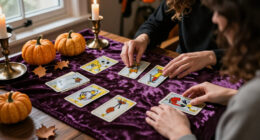
Tarot has evolved over centuries from a popular card game in medieval Europe to a widely used tool for divination and spiritual insight. This article traces its artistic and cultural transformation, highlighting key developments and current debates.
Tarot cards, once primarily a popular card game in medieval Europe, have become a prominent tool for divination and spiritual guidance. This transformation, rooted in centuries of artistic and cultural evolution, underscores the cards’ significance beyond entertainment, impacting contemporary spiritual practices worldwide.
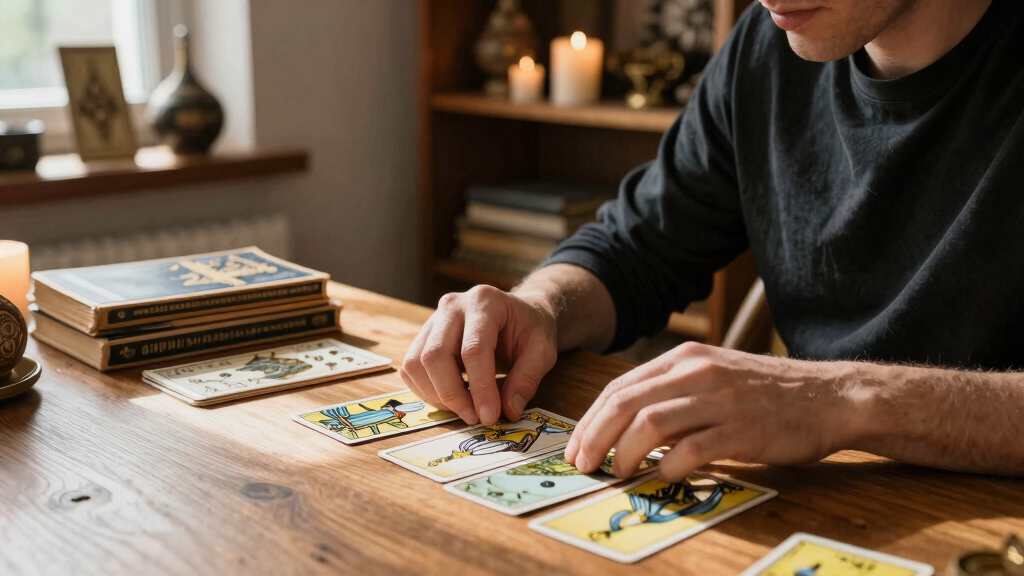
Historically, tarot originated in the 15th century as a card game called ‘tarocchi,’ played by European aristocracy. Over time, especially from the 18th century onward, tarot decks began to be associated with mysticism and the occult, with some scholars suggesting that the symbolic imagery was intentionally designed to serve as a spiritual or divinatory tool. Modern tarot decks, such as the Rider-Waite-Smith, feature elaborate artwork rich in symbolism, reflecting a blend of artistic innovation and esoteric tradition.
Recent studies and exhibitions highlight how artists and mystics have contributed to the evolving imagery of tarot, transforming it into a visual language used for introspection, fortune-telling, and spiritual exploration. While some practitioners see tarot as a form of divine guidance, skeptics argue its use as a divination tool lacks scientific validation. Nonetheless, its cultural and artistic significance remains widely recognized, with tarot decks now produced by renowned artists and featured in contemporary art galleries.
Cultural and Spiritual Impact of Tarot’s Artistic Shift
The evolution of tarot from a simple card game to a spiritual and artistic phenomenon underscores its influence on contemporary culture and individual spirituality. Its rich symbolism and artistic diversity have made it a universal language for self-reflection and mystical exploration. Understanding this history helps contextualize its continued popularity and the debates surrounding its legitimacy as a divinatory practice, impacting both art communities and spiritual practitioners worldwide.
As an affiliate, we earn on qualifying purchases.
Historical Roots and Artistic Developments of Tarot
Tarot’s origins trace back to the 15th century in Italy and France, initially as a game called ‘tarocchi.’ Its association with mysticism grew in the 18th and 19th centuries, influenced by occult movements like the Hermetic Order of the Golden Dawn. Artists and mystics have since contributed to the deck’s imagery, blending artistic styles with esoteric symbolism. Major decks, such as the Rider-Waite-Smith (1909), played a significant role in shaping modern tarot’s visual language, which continues to evolve today with contemporary artists reinterpreting traditional symbols.
“Tarot’s transition from a game to a mystical tool reflects broader shifts in European spiritual and artistic traditions.”
— Dr. Emily Carter, historian of European cultural practices
As an affiliate, we earn on qualifying purchases.
Unresolved Questions About Tarot’s Esoteric Origins
While scholars agree on tarot’s evolution from a game to a mystical tool, the precise origins of its symbolic imagery and its initial use in divination remain debated. Some researchers suggest that early decks contained coded messages for initiates, but concrete evidence is limited. The extent to which art and mysticism influenced each other in early tarot development is still under investigation, with new archeological finds and scholarly interpretations emerging.
As an affiliate, we earn on qualifying purchases.
Future Trends in Tarot Art and Practice
As contemporary artists continue to reinterpret traditional tarot imagery, new decks are regularly released, blending diverse cultural influences. Additionally, academic research into tarot’s historical roots is expected to deepen, potentially clarifying its esoteric origins. The ongoing debate about tarot’s legitimacy as a divination tool versus an artistic and psychological instrument will likely influence both its commercial development and its acceptance in spiritual communities.
As an affiliate, we earn on qualifying purchases.
Key Questions
How did tarot evolve from a card game to a spiritual tool?
Tarot originated as a popular card game in the 15th century, but from the 18th century onward, it became associated with mysticism and occult practices. Artistic and esoteric influences transformed the decks into symbols used for divination and spiritual guidance.
Are modern tarot decks primarily artistic or spiritual in purpose?
Many modern decks serve both purposes, featuring elaborate artwork that appeals to collectors and artists, while also being used by practitioners for spiritual and introspective practices.
What evidence supports the idea that tarot’s imagery has secret or coded meanings?
While some scholars suggest early decks contained coded messages for initiates, concrete historical evidence is limited. Most interpretations are based on symbolic analysis and esoteric traditions.
Will future research clarify tarot’s origins?
Ongoing archaeological discoveries and scholarly work are expected to shed more light on tarot’s early history, though some aspects may remain speculative due to limited historical records.
Source: rss
Fall Picks
fall essentials
As an affiliate, we earn on qualifying purchases.