TL;DR
A recent study suggests that spirituality could be a key factor in enhancing resilience. Researchers found a strong correlation between spiritual practices and improved mental coping. The findings could influence future mental health approaches.
A recent study published in Psychology and Well-Being Journal indicates that engaging in spiritual practices may significantly enhance an individual’s resilience to stress and adversity. The research, conducted by a team of psychologists at the University of California, suggests that spirituality could be a vital component in mental health strategies, with potential implications for therapy and community support programs.
The study analyzed data from over 2,000 participants across diverse demographics, measuring levels of spiritual engagement and resilience indicators. Researchers found that individuals who reported regular involvement in spiritual activities—such as prayer, meditation, or participation in faith communities—exhibited higher resilience scores on standardized psychological assessments.
Lead researcher Dr. Emily Carter stated, “Our findings suggest that spirituality might serve as a psychological buffer, helping individuals better cope with stress and recover from setbacks. While resilience has traditionally been associated with psychological traits and social support, our research indicates that spiritual engagement plays a significant role.”
Potential Impact of Spirituality on Mental Health Strategies
This research underscores the possible importance of integrating spiritual practices into mental health interventions. If spirituality genuinely enhances resilience, mental health professionals might consider incorporating spiritual elements into therapy, especially for patients who find comfort and strength in their faith or spiritual routines. This could lead to more personalized and holistic approaches to mental well-being, potentially reducing the impact of stress-related disorders.

Black Velvet Embroidered Meditation Cushion – Buckwheat Filled with Lavender and Removable Foam Pad – Ideal for Yoga, Stress Relief, Mindfulness, and Holistic Living
- Premium Material and Feel: Luxurious black velvet with embroidery
- Includes Lavender Sachet: Enhances spiritual experience
- Versatile Yoga Bolster: Suitable for restorative yoga
As an affiliate, we earn on qualifying purchases.
As an affiliate, we earn on qualifying purchases.
Previous Research and Growing Interest in Spiritual Resilience
While resilience has long been studied within psychology, recent years have seen increased interest in the role of non-traditional factors such as spirituality. Prior studies have linked spiritual practices with lower levels of depression and anxiety, but this new research is among the first to specifically quantify the relationship between spirituality and resilience across a broad population. The findings align with a growing body of evidence suggesting that spiritual and religious engagement can provide psychological benefits, especially during challenging times.
“Spirituality may serve as a mental resilience tool, helping individuals navigate life’s difficulties more effectively.”
— Dr. Emily Carter, Lead Researcher

Not Your Average Christian Gratitude Journal: Guided Gratitude + Faith Equipping Resources (Daily Devotional, Gratitude and Prayer Journal for Women)
As an affiliate, we earn on qualifying purchases.
As an affiliate, we earn on qualifying purchases.
Limitations and Questions About Causality
While the study establishes a strong correlation between spirituality and resilience, it does not definitively prove causality. It remains unclear whether spiritual engagement directly increases resilience or if inherently resilient individuals are more inclined toward spiritual practices. Additionally, the diversity of spiritual traditions and individual differences complicate the generalization of these findings. Further research is needed to explore these aspects and determine how best to incorporate spirituality into mental health support.
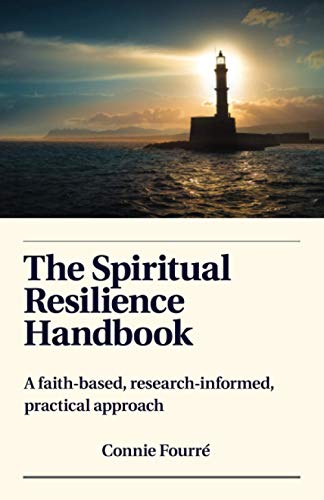
The Spiritual Resilience Handbook: A faith-based, research-informed, practical approach
As an affiliate, we earn on qualifying purchases.
As an affiliate, we earn on qualifying purchases.
Future Research and Practical Applications in Mental Health
Researchers plan to conduct longitudinal studies to better understand the causal relationship between spirituality and resilience. Mental health practitioners may begin experimenting with integrating spiritual elements into therapy, especially in faith-based or holistic treatment settings. Policymakers and community organizations could also consider supporting spiritual activities as part of broader mental health initiatives. Ongoing studies will clarify how spirituality can be most effectively utilized to foster resilience across different populations.

Cognitive Behavioral Therapy for Christians with Depression: A Practical Tool-Based Primer (Spirituality and Mental Health)
As an affiliate, we earn on qualifying purchases.
As an affiliate, we earn on qualifying purchases.
Key Questions
Does this mean everyone should adopt spiritual practices?
No, the study indicates a correlation, not a universal prescription. Individuals should consider what approaches work best for their personal beliefs and circumstances.
Can spirituality replace traditional mental health treatments?
Currently, there is no evidence to suggest that spirituality should replace conventional therapies. It may serve as a complementary approach for some individuals.
What types of spiritual activities are most beneficial?
The research mentions practices like prayer, meditation, and participation in faith communities. The effectiveness may vary based on individual preferences and cultural backgrounds.
Will this research influence mental health policies?
Potentially, as evidence accumulates, policymakers might consider supporting spiritual and community-based programs as part of resilience-building strategies.
Source: rss