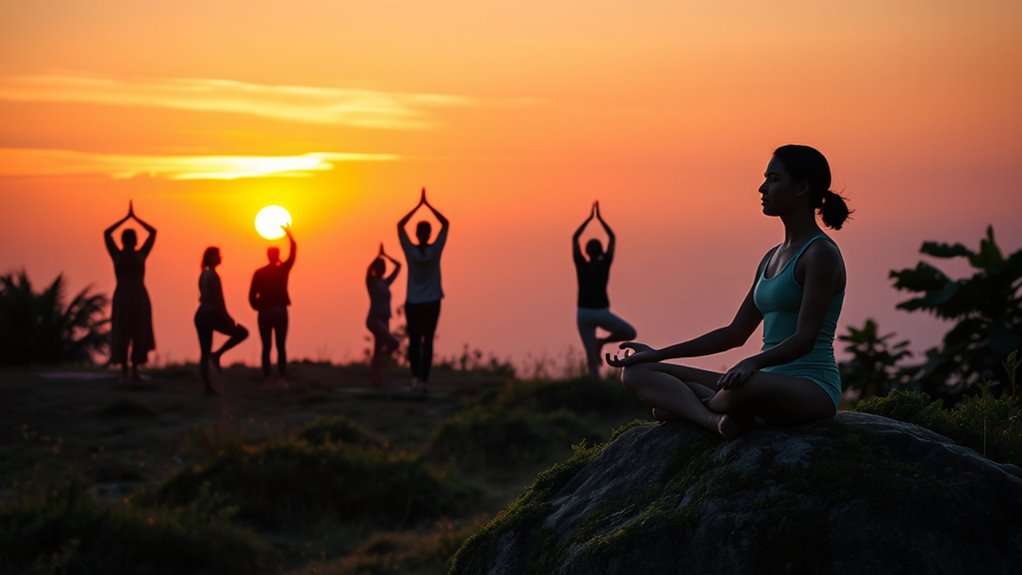

Spiritual wellness is increasingly going mainstream as more people recognize its essential role in overall health. It means nurturing a sense of purpose, connection, and inner peace beyond just physical or mental well-being. Practices like mindfulness meditation, prayer, and spending time in nature help deepen your spiritual growth. When you prioritize this aspect of health, you experience better mental health, stronger relationships, and increased life satisfaction. Keep exploring, and you’ll discover how spirituality can truly transform your well-being.
Key Takeaways
- Spiritual wellness is increasingly recognized as essential for holistic health, integrating purpose, connection, and inner peace into mainstream practices.
- Practices like mindfulness meditation and holistic healing are being widely adopted to support spiritual growth.
- Incorporating spiritual wellness enhances mental health, relationships, and overall life satisfaction, reflecting its broader acceptance.
- Mainstream health initiatives now emphasize exploring personal beliefs, values, and inner connection alongside physical and mental care.
- The trend signifies a shift towards holistic approaches that treat mind, body, and spirit as interconnected for optimal well-being.
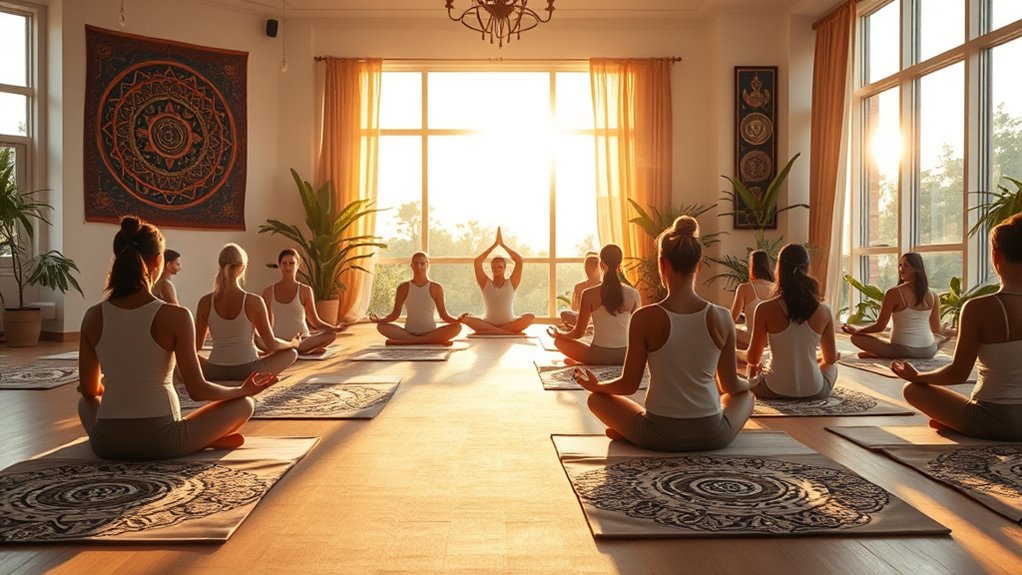
Spiritual wellness is about nurturing a sense of purpose and connection that goes beyond the physical and mental aspects of health. It’s about finding a deeper meaning in your life and feeling connected to something larger than yourself. One way you can cultivate this is through mindfulness meditation, a practice that encourages you to be present in the moment without judgment. By dedicating a few minutes each day to mindfulness, you create space to reflect on your values, beliefs, and what truly matters to you. This practice helps you develop awareness of your thoughts and emotions, fostering a sense of inner peace that aligns with your spiritual goals. As you become more mindful, you may notice a shift in how you approach life’s challenges, seeing them as opportunities for growth rather than obstacles, which is a key component of holistic healing. Engaging in activities that promote holistic healing can further deepen your sense of spiritual well-being and overall balance.
Holistic healing emphasizes treating the whole person—mind, body, and spirit—rather than just symptoms. When you focus on spiritual wellness, you recognize that your emotional and spiritual health are interconnected. Engaging in activities like prayer, journaling, or connecting with nature can deepen your sense of purpose and strengthen your spiritual foundation. It’s about nurturing your inner self, which often involves exploring your beliefs and values to gain clarity about your life’s direction. This process isn’t about adhering to a specific doctrine but about discovering what resonates with you personally. As you pursue holistic healing, you learn to listen to your intuition and honor your needs, which enhances your overall well-being.
Incorporating mindfulness meditation into your daily routine can be a powerful tool for spiritual growth. It’s simple to start; find a quiet space, focus on your breath, and gently observe your thoughts without attachment. Over time, this practice can help you feel more connected to yourself and others, fostering compassion and a sense of unity. Many people find that as they deepen their spiritual wellness, they also experience improvements in mental health, relationships, and overall life satisfaction. The idea is to approach your spiritual journey with openness and curiosity, allowing your beliefs and practices to evolve naturally. By embracing holistic healing and mindfulness meditation, you’re actively nurturing your inner life, making your spiritual wellness a crucial part of your overall health and happiness.
Frequently Asked Questions
How Is Spiritual Wellness Different From Religious Practice?
Spiritual wellness differs from religious practice because it focuses on your personal faith exploration and belief systems, rather than adhering to specific doctrines or rituals. While religious practice often involves community and organized teachings, spiritual wellness emphasizes your individual journey to find meaning, purpose, and inner peace. You might explore different beliefs or meditate, which nurtures your soul without necessarily following a formal religion.
Can Spiritual Wellness Improve Mental Health?
Think of your mind as a garden; spiritual wellness helps you tend it. Regular practice of mindfulness meditation can boost emotional resilience, making it easier to handle stress and anxiety. Studies show that nurturing your spiritual side improves mental health by promoting peace and clarity. By cultivating these habits, you create a healthier mental environment, empowering you to face life’s challenges with greater calm and confidence.
What Are Simple Ways to Start Practicing Spiritual Wellness?
You can start practicing spiritual wellness by incorporating simple habits like mindful meditation and gratitude journaling into your daily routine. Spend a few minutes each day focusing on your breath and being present with mindful meditation. Keep a gratitude journal to write down things you’re thankful for, helping you cultivate a positive outlook. These small steps can deepen your connection to yourself and promote overall well-being.
Is Spiritual Wellness Necessary for Overall Well-Being?
Yes, spiritual wellness is necessary for your overall well-being because it nurtures your mind, body, and soul. Practicing mindfulness meditation helps you stay present, reducing stress and increasing clarity. Chakra balancing aligns your energy centers, promoting harmony and emotional stability. When you prioritize spiritual wellness, you foster resilience, enhance self-awareness, and create a balanced life, making your overall health more vibrant and fulfilling.
How Do Cultural Differences Influence Spiritual Wellness Practices?
Cultural differences shape your spiritual wellness practices by influencing the rituals and beliefs you follow. Participating in interfaith dialogues can deepen your understanding and respect for diverse traditions, enriching your spiritual journey. Embracing cultural rituals from various backgrounds allows you to connect with a broader spiritual community. By exploring these differences, you actively nurture your spiritual wellness, fostering empathy, open-mindedness, and a more inclusive approach to your personal growth.
Conclusion
As you embrace spiritual wellness, you’re tending to the roots of your inner garden, allowing growth and clarity to flourish. It’s not just a trend but a guiding compass that helps you navigate life’s twists and turns with purpose. When you nurture your spiritual side, you create a foundation that supports all other aspects of your well-being. Like a well-tended tree, your inner strength becomes resilient, vibrant, and ready to face whatever comes next.