
Building a balanced life means intentionally prioritizing your well-being by managing your time wisely, setting boundaries, and embedding self-care into your daily routine. Focus on aligning your activities with your values, incorporating habits like regular exercise, proper nutrition, and rest. Remember, balance is an ongoing process that requires small, consistent actions and conscious choices. Keep exploring these strategies to create a more fulfilling life, and you’ll find more tips to help you along the way.
Key Takeaways
- Evaluate and prioritize activities that align with your core values and goals.
- Incorporate regular self-care routines like exercise, meditation, and hobbies to nurture your well-being.
- Use organizational tools and break tasks into manageable steps to improve time management.
- Establish consistent routines and boundaries to make healthy habits sustainable over time.
- Recognize that achieving balance is an ongoing process requiring continual adaptation and conscious choices.

Achieving a balanced life is vital for overall well-being, yet it often feels like a moving target. You might find yourself juggling work, personal responsibilities, and social obligations, all while trying to carve out moments for yourself. The key is to master your time management skills and establish effective self-care routines that support your mental, emotional, and physical health. When you take control of how you allocate your hours, you prevent burnout and create space for what truly matters.
Start by evaluating your current schedule honestly. Identify activities that drain your energy or feel unnecessary. By prioritizing tasks and setting realistic goals, you can guarantee your time aligns with your values. Time management isn’t about packing every minute with tasks but about making conscious choices that serve your well-being. Use planners, digital tools, or simple to-do lists to organize your day. Break larger projects into manageable steps, and don’t forget to schedule breaks. These pauses aren’t just for rest—they help you recharge, maintain focus, and prevent overwhelm.
Prioritize tasks, set realistic goals, and schedule breaks to stay aligned with your values and maintain well-being.
Alongside managing your time, integrating self-care routines into your daily life is vital. Self-care isn’t just pampering; it’s about nurturing your body, mind, and spirit. Dedicate time each day to activities that replenish your energy—whether it’s a brisk walk, meditation, reading, or a hobby you love. Regular exercise, proper nutrition, and sufficient sleep form the foundation of good self-care. Recognize your limits and learn to say no when necessary. Overcommitting can derail your balance, so setting boundaries becomes an act of self-respect.
Creating a routine helps embed self-care into your everyday life. For instance, carve out a specific time in the morning for meditation or journaling, and establish an evening wind-down ritual to improve sleep quality. These routines reinforce your commitment to your well-being and make it easier to stick to healthy habits. Remember, consistency is more important than perfection. Even small, daily actions compound over time, leading to a more balanced and fulfilled life.
Ultimately, building a balanced life requires intentionality. By mastering time management and establishing meaningful self-care routines, you equip yourself with the tools to navigate life’s ups and downs more gracefully. It’s about making choices that prioritize your health and happiness, even when life gets busy. Additionally, being aware of potential pitfalls in adopting new payment technologies can help you avoid unnecessary distractions or risks that could hinder your personal growth. When you take these steps, you’ll find that balance isn’t a distant goal but a continual process—one that brings more clarity, joy, and resilience into your everyday experience.

Beautiful Daily Planner And Notebook With Hourly Schedule – Aesthetic Spiral To do List Notepad to Easily Organize Your Tasks And Appointments – Stylish Book And School Or Office Supplies For Women
- Stay Organized and Reduce Stress: Easily manage schedules, priorities, and notes
- Boost Productivity with Time Blocks: Break down tasks into half-hour segments
- Ample Planning Space: 80 days of detailed daily planning
As an affiliate, we earn on qualifying purchases.
As an affiliate, we earn on qualifying purchases.
Frequently Asked Questions
How Can I Maintain Balance During High-Stress Periods?
During high-stress periods, you can maintain balance by practicing stress management techniques like deep breathing or quick walks. Prioritize your tasks by focusing on what truly matters, and don’t hesitate to delegate or postpone less urgent items. Set boundaries to protect your downtime, and remember to take short breaks throughout your day. Staying mindful and organized helps you stay centered, even when stress levels rise.
What Are Quick Tips for Improving Work-Life Balance?
Prioritize your time management by setting clear boundaries between work and personal life, and stick to them consistently. Schedule breaks and leisure activities just like meetings, and learn to say no when your plate is full. Use alarms or reminders to help you stay on track, and communicate your boundaries openly with colleagues and family. These simple steps can quickly improve your work-life balance and reduce stress.
How Do I Identify When My Life Is Unbalanced?
You can identify when your life’s unbalanced by doing regular self-assessments and paying close attention to your emotional awareness. Notice if you’re feeling overwhelmed, stressed, or neglecting important areas like relationships or hobbies. If you start losing sleep, feeling irritable, or lacking energy, it’s a sign you need to reassess your priorities. Being honest with yourself helps you recognize these signs early and take steps to restore balance.
Can Building a Balanced Life Improve Mental Health?
Building a balanced life can be your mental health’s best shield. When you prioritize self-care routines and nurture social connections, you’re planting seeds of resilience. These habits act like a steady anchor in life’s stormy seas, helping you stay grounded and calm. By creating harmony between work, rest, and relationships, you’ll notice your mind feels lighter, more clear, and better equipped to handle life’s ups and downs.
What Role Does Mindfulness Play in Balance?
Mindfulness plays a vital role in balance by helping you stay present and aware through mindfulness meditation. When you practice this regularly, you cultivate present awareness, which reduces stress and improves emotional regulation. By focusing on the here and now, you can make better decisions, manage your emotions, and maintain stability. Incorporating mindfulness into your daily routine enhances overall well-being and supports a more balanced, centered life.
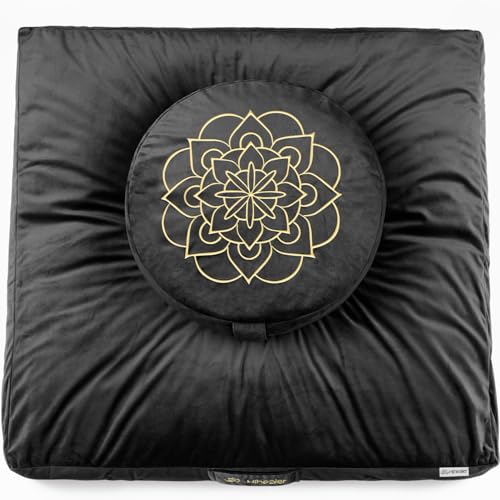
Hihealer Meditation Cushion Set Large Velvet Floor Pillow & Traditional Tibetan Yoga Bolster for Adults Zafu Meditation Mat with Buckwheat Filling (Black)
- Traditional Tibetan Design: Authentic spiritual aesthetic in multiple colors
- Luxurious Velvet & Buckwheat Filling: Soft velvet cover with adjustable buckwheat support
- Versatile & Functional: Ideal for meditation, yoga, or as a floor cushion
As an affiliate, we earn on qualifying purchases.
As an affiliate, we earn on qualifying purchases.
Conclusion
Remember, balancing life is like tending a delicate garden—you must water your passions, prune stress, and nurture your well-being daily. When I started prioritizing self-care, I felt like a gardener finally seeing my plants thrive. According to research, those who maintain balance report higher happiness and productivity. So, keep cultivating your life with intention. With patience and care, you’ll find harmony blooming in every aspect, creating a vibrant, resilient garden that sustains you through any season.

Marsail Ergonomic Office Chair: Office Desk Chair with High Back Mesh and Adjustable Lumbar Support Rolling Work Swivel Task Chairs with Wheel 3D Armrests and Headrest
- Fully Adjustable Headrest: 2D adjustable for personalized comfort
- Reclining Backrest: Adjusts from 90° to 120°
- 3D Adjustable Armrests: Customizable for various postures
As an affiliate, we earn on qualifying purchases.
As an affiliate, we earn on qualifying purchases.

MyHalos® Sleep Mask for Men and Women, 3D Blackout Eye Masks for Sleep
- Complete Blackout Design: Blocks 100% light for deep sleep
- Zero Eye Pressure: Prevents eyelid and lash contact
- Ideal for Side Sleepers: Contours to all face shapes, reduces temple pressure
As an affiliate, we earn on qualifying purchases.
As an affiliate, we earn on qualifying purchases.