

Silence is a powerful source of wisdom because it allows you to pause, reflect, and listen beyond words. When you embrace quiet moments, you can notice underlying emotions, patterns, and truths that often go unnoticed in busy conversations. It helps you develop deeper self-awareness and trust your intuition. By practicing mindful silence, you create space for insights and growth. Keep exploring, and you’ll discover even more ways silence can reveal profound understanding.
Key Takeaways
- Silence allows for deep listening, revealing insights beyond words and fostering understanding.
- It creates space for inner reflection, helping uncover personal truths and wisdom.
- Through silence, we become more aware of subtle emotional cues and underlying feelings.
- Embracing stillness helps process experiences, facilitating growth and clarity of thought.
- Silence encourages trusting intuition and recognizing patterns that inform wise decisions.

Silence often holds more wisdom than words ever can, inviting you to listen deeply and reflect thoughtfully. In moments of quiet, you discover the power of mindful listening — not just hearing sounds, but truly paying attention to what’s beneath the surface. It’s in these pauses that you create space for understanding, allowing your mind to settle and your heart to open. When you embrace silence intentionally, you give yourself the opportunity to step away from the noise of everyday life and tune into your inner world. This act of stillness fosters inner reflection, where insights often emerge without effort or distraction. Regularly practicing mindful decluttering can help clear mental and emotional clutter, making space for clarity and inner peace. As you cultivate mindful listening during silence, you begin to notice more than just words. You sense the underlying emotions, the subtle cues that reveal what’s really happening beneath the surface. This heightened awareness helps you respond more thoughtfully, rather than react impulsively. It’s in these quiet pauses that clarity can surface, giving you perspective on challenging situations or difficult decisions. Silence acts as a mirror, reflecting your own thoughts and feelings back to you, helping you understand yourself better. Through this process, you learn to trust your intuition and inner guidance, which are often drowned out by constant noise. Inner reflection becomes a natural byproduct of embracing silence. When you slow down and listen attentively, you create a dialogue within yourself — a space to explore your values, fears, hopes, and desires. This ongoing conversation becomes a source of wisdom, revealing truths that might be obscured in hurried moments or superficial exchanges. The more you practice mindful listening, the more you develop an ability to sit with discomfort or uncertainty, recognizing that these states are often where growth happens. Silence allows you to process your experiences without judgment, helping you gain insight into your motivations and patterns.

Ergonomic Meditation Cushion with Foot Rest & Carry Strap – Large Floor Cushion for Adults – Meditation Seat & Yoga Cushion for Mindfulness, Sound Healing & Reiki
ERGONOMIC MEDITATION SUPPORT – Designed to elevate hips and align the spine, this ergonomic meditation cushion reduces knee,…
As an affiliate, we earn on qualifying purchases.
As an affiliate, we earn on qualifying purchases.
Frequently Asked Questions
How Does Silence Influence Emotional Health?
Silence boosts your emotional health by enhancing mindfulness meditation, which helps you stay present and reduce stress. When you embrace silence, you give yourself space to process emotions more clearly, building emotional resilience. This quiet time allows you to reflect, gain perspective, and calm your mind, making it easier to handle challenges. By regularly practicing silence, you strengthen your emotional stability and foster a healthier, more balanced outlook on life.
Can Silence Improve Decision-Making Skills?
You might think noise helps you decide, but silence actually sharpens your decision-making skills. By practicing mindful listening and engaging in introspective reflection during quiet moments, you allow your mind to process information clearly. Silence encourages you to pause, analyze options, and tap into your intuition. Ironically, in a world full of noise, it’s often the quiet that grants you the clarity needed to make smarter choices.
What Cultural Differences Exist in Valuing Silence?
You’ll notice cultural differences in valuing silence through variations in cultural communication and silence etiquette. In some cultures, like Japan, silence signifies respect and thoughtfulness, while in others, such as the U.S., it may feel uncomfortable or awkward. Understanding these differences helps you navigate conversations more effectively, respecting each culture’s silence etiquette and appreciating that silence can carry diverse meanings depending on cultural context.
Is Silence Effective in Conflict Resolution?
Silence can be very effective in conflict resolution when you practice listening patience. It allows both parties to reflect and express their feelings without interruption. By embracing silence, you create a space where understanding deepens, reducing tension. Your ability to stay quiet and attentive encourages open dialogue and shows respect. This calm approach helps de-escalate conflicts, fostering trust and cooperation, ultimately leading to more constructive solutions.
How Can Beginners Incorporate Silence Into Daily Life?
Silence is your quiet compass in a noisy world. To incorporate it into daily routines, start with mindfulness practice—dedicate a few minutes each day to sit in silence, focusing on your breath. Use moments between tasks for brief pauses, allowing silence to reset your mind. Over time, these small steps will turn silence into a powerful tool, helping you gain clarity and calm amid daily chaos.
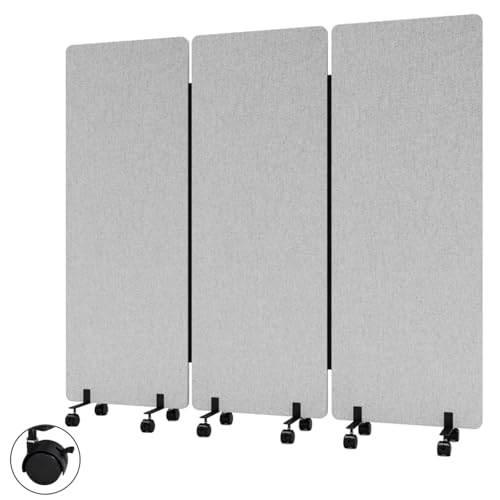
72" X 66" partition Room dividers, 3 Panel Sound Proof Dividers for Office Partitions, Room Divider Privacy Panel with Wheels, Portable Temporary Wall for Office, Studio, School, Hospital(Light Gray)
【Excellent office partitions】Our room divider wall measure 72 inches long x 66 inches high, with individual panels measuring…
As an affiliate, we earn on qualifying purchases.
As an affiliate, we earn on qualifying purchases.
Conclusion
Embracing silence can open profound wisdom within you. Did you know that studies show people who spend more time in quiet reflection make better decisions and experience less stress? By embracing silence daily, you tap into your inner clarity and insight. So, next time life gets noisy, remember that silence isn’t just the absence of sound—it’s a powerful tool for growth and understanding. Give yourself permission to pause and listen; your wiser self awaits.

The Daily Buddhist: 366 Days of Wisdom for Happiness, Inner Freedom, and Mindful Living – Meditations and Reflections for Transformation, Resilience, and Joy
As an affiliate, we earn on qualifying purchases.
As an affiliate, we earn on qualifying purchases.

Silent Tears: A Healing Journal for Reflection and Strength
As an affiliate, we earn on qualifying purchases.
As an affiliate, we earn on qualifying purchases.