
TL;DR

Turn your quiet moments into listening time
- Thousands of audiobooks, podcasts and originals
- Listen on your phone, tablet or Echo — also offline
- Cancel anytime
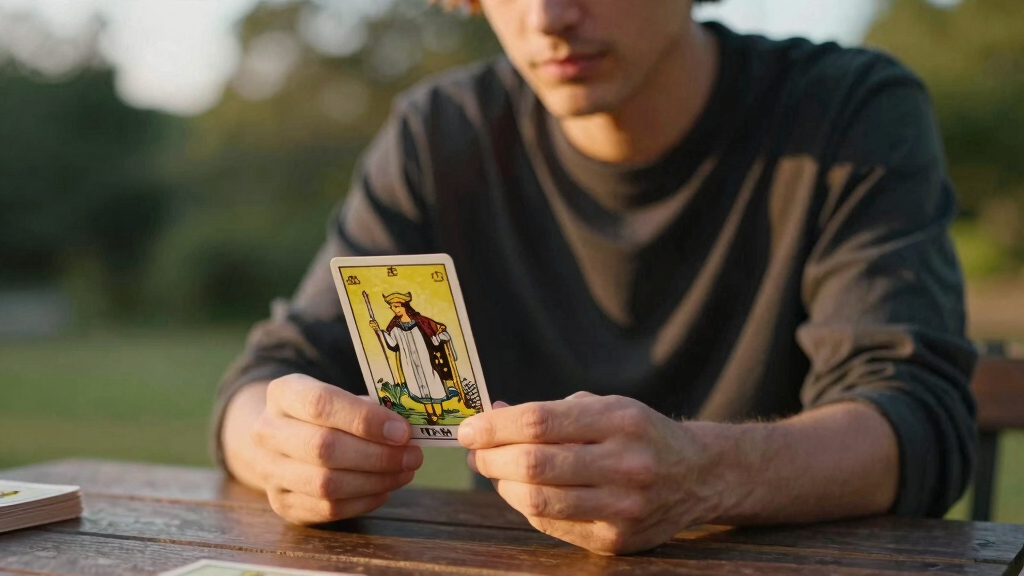
This article explores the practice of tarot card reading, its historical roots, methods, and cultural relevance. Experts share insights into its ongoing popularity and significance.
Tarot card reading continues to be a popular practice worldwide, with practitioners and enthusiasts emphasizing its role in self-reflection and spiritual guidance. While rooted in centuries-old traditions, modern tarot reading has seen renewed interest amid broader cultural shifts toward spirituality and personal development.
Experts confirm that tarot card reading originated in 15th-century Europe, initially used for playing card games before evolving into a tool for divination and self-discovery. Today, tarot practitioners employ a variety of spreads and symbols to interpret messages, often blending traditional methods with personal intuition. The practice remains popular across diverse communities, with online platforms and social media fueling its resurgence.
Practitioners like Sarah Mitchell, a professional tarot reader based in New York, state that tarot is primarily a reflective tool: ‘Many clients seek guidance on personal issues, and the cards serve as a mirror for their thoughts and feelings.’ While some claim tarot can predict future events, experts emphasize that readings are interpretative and not definitive forecasts. The practice’s cultural acceptance varies globally, with some regions viewing it skeptically while others embrace it as part of spiritual wellness.
Why Tarot Reading Continues to Influence Modern Spirituality
The ongoing popularity of tarot card reading reflects a broader societal interest in spirituality, self-awareness, and alternative wellness practices. It offers individuals a means to explore personal issues outside traditional therapy or religious frameworks. As digital platforms expand access, tarot’s cultural relevance is likely to grow, influencing both personal development and popular culture.
tarot card reading kit for beginners
As an affiliate, we earn on qualifying purchases.
As an affiliate, we earn on qualifying purchases.
Historical and Cultural Roots of Tarot Card Reading
Tarot cards first appeared in 15th-century Europe, initially used for games like tarocchi in Italy and France. It wasn’t until the 18th century that they gained association with mysticism and divination, particularly through esoteric traditions such as the Hermetic Order of the Golden Dawn. In recent decades, tarot has transitioned into a mainstream spiritual practice, often associated with New Age movements and personal growth communities.
“The resurgence of tarot in modern culture highlights a shift towards personalized spirituality and a desire for accessible spiritual tools.”
— Dr. Emily Carter, cultural historian
As an affiliate, we earn on qualifying purchases.
Unresolved Questions About Tarot’s Role and Effectiveness
While tarot’s popularity is clear, its efficacy as a predictive or therapeutic tool remains debated. Scientific validation is limited, and interpretations vary widely among practitioners. It is also unclear how much influence tarot has on decision-making or psychological well-being, with some critics viewing it as purely entertainment.
As an affiliate, we earn on qualifying purchases.
Emerging Trends and Future of Tarot Card Reading
As digital platforms continue to facilitate access, more professional and casual practitioners are likely to emerge, potentially diversifying methods and interpretations. Researchers and skeptics may further investigate its psychological impacts, while practitioners adapt to new cultural contexts and technological tools. The practice’s role in mainstream spirituality is expected to evolve alongside broader wellness trends.
As an affiliate, we earn on qualifying purchases.
Key Questions
Is tarot card reading scientifically proven to predict the future?
No, there is no scientific evidence that tarot can reliably predict future events. It is generally considered a tool for self-reflection and guidance rather than a predictive science.
Can anyone learn to read tarot cards?
Yes, many resources are available for beginners, including books, online courses, and community groups. Practice and intuition are key components of developing proficiency.
Is tarot reading considered a spiritual or religious practice?
Tarot can be part of spiritual or religious practices for some individuals, but it is also widely used as a secular tool for personal insight and self-awareness. Its interpretation varies across different cultures and beliefs.
What are common methods used in tarot reading?
Practitioners often use specific spreads, such as the Celtic Cross or three-card spread, and interpret symbols, images, and positions in relation to the question or issue at hand.
Source: rss
Halloween Picks
halloween
As an affiliate, we earn on qualifying purchases.