Combining art and science through cross-disciplinary creativity sparks innovative ideas by merging different perspectives. This approach challenges traditional boundaries, encouraging you to explore new methods and tools. By blending scientific rigor with artistic intuition, you can visualize complex concepts and inspire breakthrough solutions. Embracing curiosity and open-minded collaboration helps you unleash fresh insights and reshape perceptions. Keep exploring, and you’ll discover how these energetic partnerships can transform your understanding and creativity in remarkable ways.
Key Takeaways
- Cross-disciplinary collaborations blend art and science to spark innovative ideas and reshape perceptions of possibility.
- Integrating scientific data with artistic techniques enhances creativity, accessibility, and emotional impact.
- Boundary-breaking methods, like virtual reality, explore scientific phenomena through artistic expression.
- Embracing curiosity and openness fosters revolutionary discoveries at the intersection of art and science.
- Such collaborations promote diverse perspectives, driving technological, educational, and cultural advancements.

Have you ever wondered how breakthroughs happen when different fields come together? It’s often through innovative collaborations that seemingly unrelated disciplines merge, sparking ideas that push boundaries and redefine what’s possible. When art and science intersect, they create a fertile ground for boundary-breaking approaches that challenge conventional thinking. These collaborations aren’t just about combining two fields; they’re about blending perspectives to unleash new ways of understanding and creating.
Innovative collaborations between art and science spark boundary-breaking ideas and reshape our understanding of what’s possible.
In these cross-disciplinary efforts, you become a catalyst for innovation. You see problems through multiple lenses—scientific rigor paired with artistic intuition—and this fusion opens doors to creative solutions that neither field could achieve alone. For instance, scientists might use artistic techniques to visualize complex data, making it more accessible and inspiring new hypotheses. Conversely, artists might draw inspiration from scientific concepts, transforming technical ideas into emotionally impactful works. This synergy fosters an environment where ideas flow freely, unencumbered by traditional disciplinary boundaries.
What makes boundary-breaking approaches so powerful is their ability to challenge assumptions. When you step outside the confines of a single discipline, you begin to see possibilities that would otherwise remain hidden. These approaches often involve experimenting with unconventional methods, combining tools from different domains, or reimagining problems from fresh angles. For example, using virtual reality technology in art installations to explore scientific phenomena offers audiences immersive experiences that deepen understanding and emotional engagement. Similarly, incorporating scientific data into artistic projects can elevate both the aesthetic appeal and the educational value, creating a compelling dialogue between knowledge and emotion.
Moreover, you’re encouraged to adopt a mindset that values curiosity over expertise in one area alone. It’s not about being a master in both art and science but about embracing the unfamiliar and allowing those interactions to inspire innovation. This mindset enables you to approach challenges with flexibility and openness, essential traits for boundary-breaking approaches. In addition, understanding different disciplines enhances your ability to collaborate effectively and generate novel ideas. In doing so, you help forge new pathways that can lead to revolutionary discoveries, whether in technology, education, or cultural expression.
Ultimately, when you foster innovative collaborations across disciplines, you participate in a vibrant ecosystem of creativity. You become part of a movement that recognizes the value of diverse perspectives and the importance of breaking down barriers. By doing so, you contribute to a world where art and science aren’t separate silos but interconnected forces driving progress and enriching human experience. It’s in these moments of cross-disciplinary creativity that groundbreaking ideas emerge, transforming the way we see and shape the world around us.
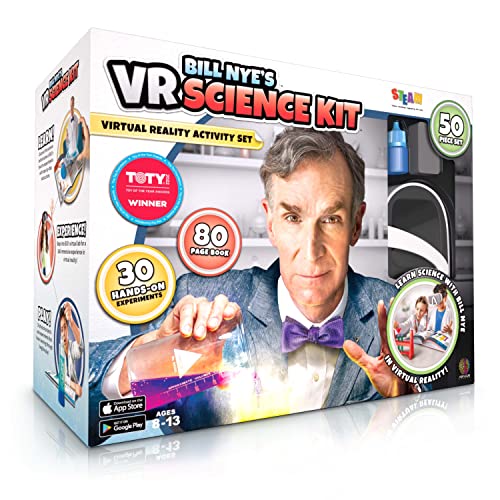
Abacus Brands Bill Nye's VR Science Kit – Virtual Reality Kids Science Kit, Book and Interactive STEM Learning Activity Set (Full Version – Includes Goggles) – for Ages 8 and Up
WINNER OF THE TOTY "STEAM TOY OF THE YEAR AWARD" – Join Bill Nye is his virtual reality…
As an affiliate, we earn on qualifying purchases.
As an affiliate, we earn on qualifying purchases.
Frequently Asked Questions
How Can I Start Integrating Art and Science in My Daily Work?
You can start integrating art and science in your daily work through creative experimentation, allowing yourself to explore new ideas without fear of failure. Embrace interdisciplinary thinking by seeking collaborations with colleagues from different fields, which sparks fresh perspectives. Incorporate visualizations or artistic methods to communicate complex data. This approach not only enhances your problem-solving skills but also encourages innovative solutions, making your work more engaging and impactful every day.
What Are Common Challenges Faced When Blending Artistic and Scientific Approaches?
Blending art and science is like steering a river with swirling currents. You’ll face cultural differences that create misunderstandings and communication barriers that muddy your message. These hurdles can slow progress and cause frustration. To overcome them, you need patience and open-minded dialogue, like steering your boat carefully through rapids. Embrace the diversity, and you’ll find new ways to innovate, turning obstacles into opportunities for creative breakthroughs.
Are There Famous Examples of Successful Art-Science Collaborations?
You’ll find famous collaborations like NASA’s and artist James Turrell’s projects, showcasing successful partnerships that blend science and art. These collaborations push creative boundaries, inspiring new perspectives and innovations. By combining scientific expertise with artistic vision, they achieve remarkable results that resonate across disciplines. Such partnerships demonstrate how merging art and science can lead to groundbreaking ideas and foster a deeper understanding of complex concepts, making them truly successful examples of interdisciplinary teamwork.
How Does Cross-Disciplinary Creativity Impact Innovation in Technology?
Cross-disciplinary creativity sparks innovation in technology by inspiring aesthetic innovation and enhancing creative problem solving. When you blend art and science, you open new pathways for ideas, making solutions more intuitive and visually compelling. This approach encourages you to think beyond traditional boundaries, fostering fresh perspectives that lead to breakthrough innovations. By integrating diverse disciplines, you create more dynamic, user-centered technologies that resonate emotionally and function seamlessly.
What Skills Are Essential for Excelling in Art and Science Integration?
You need strong interdisciplinary thinking and innovative problem solving skills to excel in art and science integration. Embrace curiosity to connect ideas across fields, and develop adaptability to navigate different perspectives. Cultivate creativity to generate novel solutions, and hone communication skills to share your ideas effectively. By combining technical knowledge with artistic insight, you’ll foster innovative approaches that push boundaries and inspire breakthroughs in both disciplines.

Storytelling with Data: A Data Visualization Guide for Business Professionals
Wiley
As an affiliate, we earn on qualifying purchases.
As an affiliate, we earn on qualifying purchases.
Conclusion
By blending art and science, you open innovative ideas that push boundaries. Did you know that 75% of breakthrough innovations involve cross-disciplinary collaboration? Embracing both worlds fuels creativity and problem-solving in ways you never imagined. So, don’t hesitate to explore beyond your field—your next big breakthrough could be just one interdisciplinary idea away. Embrace the synergy, and watch your creative potential soar to new heights.

The Art and Science of Visualization: A Practical Guide for Self-Help, Self-Healing, and Improving Other Areas of Yourself (Personal Mastery)
As an affiliate, we earn on qualifying purchases.
As an affiliate, we earn on qualifying purchases.
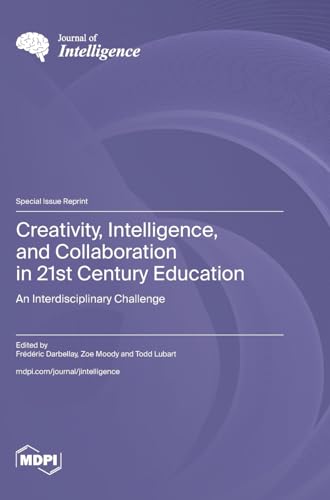
Creativity, Intelligence, and Collaboration in 21st Century Education: An Interdisciplinary Challenge
As an affiliate, we earn on qualifying purchases.
As an affiliate, we earn on qualifying purchases.