📊 Full opportunity report: Can Smartphone Shade Scoring Help You Achieve A Brighter Smile? on IdeaNavigator AI — validation score, market gap, and execution plan.
TL;DR
Researchers are testing a smartphone app that scores tooth shade to help users monitor whitening progress objectively. This innovation could reduce guesswork and improve results for home whitening products.
Researchers are developing a smartphone app that uses camera-based shade scoring to objectively monitor teeth whitening progress at home, offering a potential solution to the common problem of subjective, mirror-based assessments. This technology aims to help consumers better understand which whitening products are effective, potentially reducing the frustration and expense associated with trial-and-error cycling through strips, trays, and LED kits.
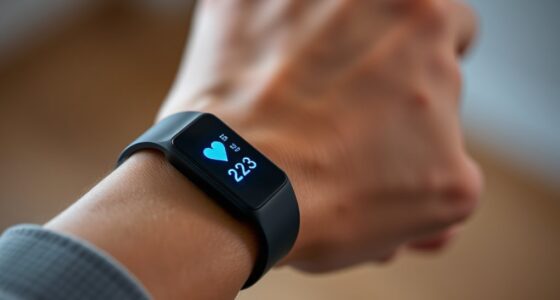
The concept involves a guided-lighting photo flow within an app that captures images of the teeth and compares the shade to a calibrated dental scale, similar to what dentists use. The app then plots the shade score over time, showing users whether their whitening efforts are effective. It can also identify which products have moved the shade and suggest products based on similar starting points.
This approach is currently in testing, with plans to benchmark the app’s shade scores against dentist-grade VITA readings in a sample of fifty users. The goal is to establish a strong correlation that validates the app’s accuracy and reliability in real-world conditions. If successful, this could lead to a new measurement layer in the home whitening market, enhancing consumer confidence and product selection.
The app’s revenue model would include subscriptions for ongoing use and affiliate commissions for recommended products proven to move tooth shade scores. The market targeted is consumer oral care and beauty tech, where personalized, data-driven solutions are increasingly in demand.
Potential Impact on Home Whitening Effectiveness
This development could significantly improve the home whitening experience by providing an objective, easy-to-use measurement tool. Currently, many consumers rely on subjective visual assessments, which can be inaccurate and lead to overuse or underuse of whitening products. An app that quantifies progress could reduce frustration, prevent over-treatment, and help users select the most effective products. If validated, it might also influence how manufacturers develop and market whitening solutions, emphasizing measurable results. Overall, this could lead to more consistent, satisfying outcomes for consumers and potentially lower costs associated with ineffective treatments.As an affiliate, we earn on qualifying purchases.
Growing Demand for Objective Teeth Whitening Tracking
The global teeth whitening market is expanding rapidly, driven by consumer desire for brighter smiles and advancements in at-home dental products. Despite this growth, there has been little objective measurement available for consumers to track their progress outside professional settings. Traditionally, dentists use calibrated shade guides like VITA to assess tooth color, but at home, users depend on visual judgment, which is subjective and often inconsistent. Recent technological advances in smartphone cameras and guided lighting have opened the possibility of bringing professional-grade assessments into the consumer’s hands. This initiative by IdeaNavigator AI represents a step toward integrating objective measurement into everyday oral care routines, potentially transforming the market and setting new standards for efficacy and transparency.“Using phone cameras combined with guided lighting can approximate the calibrated shade readings dentists perform, making objective monitoring feasible for home users.”
— an anonymous researcher
As an affiliate, we earn on qualifying purchases.
Validation and Accuracy of Smartphone Shade Scoring
While initial testing plans include benchmarking app scores against professional VITA readings, the accuracy and consistency of the technology in diverse lighting conditions and among different users remain unproven. It is not yet clear whether the app can reliably replicate dentist-grade assessments across a broad population, and further validation is required before commercial deployment.
As an affiliate, we earn on qualifying purchases.
Next Steps for Testing and Market Introduction
The upcoming months will see the app undergo validation with fifty users, comparing its readings to professional shade guides. If results show a strong correlation, developers plan to refine the technology and prepare for broader testing. Successful validation could lead to commercial launches, subscription models, and partnerships with whitening product brands, aiming to establish the app as a standard tool for at-home teeth whitening monitoring.
smartphone teeth whitening tracker
As an affiliate, we earn on qualifying purchases.
As an affiliate, we earn on qualifying purchases.
Key Questions
How accurate is the smartphone shade scoring compared to professional assessments?
Initial plans involve benchmarking the app against dentist-grade VITA readings to determine accuracy. The goal is to achieve a strong correlation, but validation results are pending.
Can this technology help me choose the right whitening product?
If validated, the app could identify which products effectively move your tooth shade and recommend options based on your starting point, potentially making product selection more data-driven.
Will this app work under all lighting conditions?
The app uses guided lighting to standardize image capture, but its effectiveness across different environments is still being tested. Further refinements may be needed to ensure consistent results.
Is this technology available now?
The app is currently in testing and validation phases. It is not yet available for general consumer use but could be launched commercially if validation proves successful.
How will this impact the cost of home whitening?
While the app itself may involve a subscription fee, it could reduce costs by helping consumers avoid ineffective products and overuse, leading to more efficient whitening routines.
Source: IdeaNavigator AI