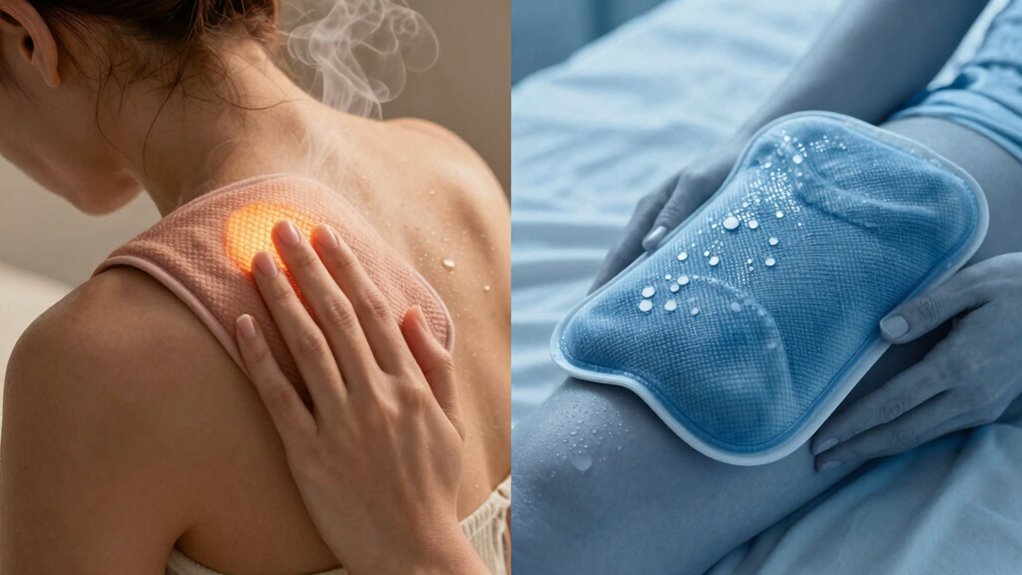
Choosing between heat and cold therapy depends on your injury stage and symptoms. Use cold therapy immediately after an injury to reduce swelling, pain, and inflammation, especially during the acute phase. Switch to heat therapy later to relax muscles, improve blood flow, and promote healing in the subacute or chronic stages. By following this decision tree, you’ll guarantee you select the right treatment every time. Keep exploring to learn more about applying these therapies safely and effectively.
Key Takeaways
- Use cold therapy immediately after injury to reduce swelling, inflammation, and numb pain during the acute phase.
- Switch to heat therapy during subacute or chronic stages to relax muscles and enhance blood flow for healing.
- Identify injury stage and symptoms—swelling and pain favor cold; muscle tension and stiffness favor heat.
- Limit therapy sessions to 15-20 minutes, applying protective barriers to prevent skin burns or frostbite.
- Monitor responses; discontinue therapy if pain, numbness, or discomfort occurs, and seek professional guidance if symptoms worsen.

FlexiKold Gel Ice Packs (Standard Large: 10.5" x 14.5") for Injuries Reusable, Back Pain Relief, Knee Wrap, After Surgery, Ice Pack for Knee, Shoulder – 6300-COLD by NatraCure
Colder For Longer: Reusable ice packs for injuries with proprietary gel interior that stays Colder for Longer. Gel…
As an affiliate, we earn on qualifying purchases.
As an affiliate, we earn on qualifying purchases.
How Do Heat and Cold Therapies Work?

How Do Heat and Cold Therapies Work?
Heat and cold therapies work by altering blood flow and reducing inflammation in targeted areas. When you apply heat, it increases thermal conductivity, allowing energy to penetrate deeper into tissues. This enhanced tissue penetration promotes relaxation, increases blood flow, and eases stiffness. Additionally, incorporating mobility and recovery practices can further enhance the benefits of heat therapy. Cold therapy, on the other hand, reduces blood flow by constricting vessels, which helps control swelling and numb pain. The effectiveness of both therapies depends on how well they transmit heat or cold through your skin and tissues. Proper tissue penetration ensures that the treatment reaches the affected area efficiently, providing relief. Understanding the role of thermal conductivity helps you select the right therapy based on your needs, guaranteeing you target the specific tissues involved for maximum pain relief and recovery. Moreover, supporting caregivers’ emotional well-being can enhance your overall healing experience, as stress management is crucial in recovery. Additionally, using heat for cooking can also provide benefits similar to heat therapy, promoting relaxation and comfort. Moreover, being aware of user privacy policies can enhance your overall experience while seeking pain relief solutions online. Engaging in activities that promote bonding with newborns can also help alleviate stress, further enhancing the effectiveness of these therapies.

ThermaCare Heat Wraps for Neck & Shoulder Pain Relief – Portable Adhesive Heating Pads with 16-Hour Therapeutic Heat – Drug-Free Muscle & Joint Soothing Patches (5-Count)
Up to 16 Hours of Relief: Experience up to eight hours of continuous heat while wearing the wrap,…
As an affiliate, we earn on qualifying purchases.
As an affiliate, we earn on qualifying purchases.
When Should You Use Heat or Cold Therapy?

Knowing when to use heat or cold therapy depends on the injury type and stage, as well as your pain and swelling levels. Cold therapy is best for reducing inflammation and numbness right after an injury, while heat helps relax muscles and improve blood flow during healing. Additionally, understanding the importance of digital concepts can aid in making informed decisions about your therapy needs. For instance, similar to how cultural festivals celebrate community spirit, recognizing your body’s signals can enhance your recovery process. Pay attention to how your body responds to choose the most effective treatment at the right time. Understanding the importance of injury recovery stages can also aid in making the best choice for your therapy needs.
Injury Type and Stage
Choosing between heat and cold therapy depends on the type and stage of your injury. For acute injuries like sprains or strains, cold therapy reduces inflammation and pain by constricting blood vessels, helping control swelling. In contrast, heat therapy is better for chronic issues or muscle tension, promoting muscle relaxation and improving blood flow through vasodilation. Use heat when your injury is no longer swollen and you want to ease stiffness. Cold therapy is best during the initial phase to minimize swelling and tissue damage. AI Ethicist jobs emphasize the importance of informed decision-making, much like choosing the right therapy for your recovery. Here’s a quick comparison:
| Injury Stage | Recommended Therapy | Key Benefit |
|---|---|---|
| Acute | Cold | Reduce swelling, pain |
| Subacute | Switch based on need | Manage inflammation, relax muscles |
| Chronic | Heat | Enhance circulation, muscle relaxation |
Incorporating principles from eco-friendly natural pools can also support recovery by creating a calm and relaxing environment.
Pain and Swelling Levels
When pain and swelling are your main concerns, selecting the right therapy can make a significant difference in your recovery. If swelling is severe, cold therapy is your best choice, as it reduces blood circulation and minimizes inflammation. Use cold packs immediately after injury to numb pain and control swelling. Conversely, if pain persists and swelling has decreased, heat therapy can promote muscle relaxation and increase blood circulation, helping your muscles loosen up and heal faster. Applying the right proportions of heat can help avoid additional inflammation. Recognizing your pain and swelling levels helps determine the appropriate treatment—cold for acute inflammation, heat for muscle relaxation and ongoing pain. Additionally, using massage guns can enhance your recovery process by targeting specific muscle groups. Incorporating techniques for effective editing can also help refine your approach to managing pain. Making the right choice guarantees effective relief and supports your healing process efficiently. Furthermore, investing in high-quality car accessories can enhance overall comfort, which may indirectly aid in your recovery. Additionally, using vehicle battery chargers can ensure your devices are ready for use, which may be helpful if you rely on them for pain management.

Ice Pack (3-Piece Set) – Reusable Hot and Cold Therapy Gel Wrap Support Injury Recovery, Alleviate Joint and Muscle Pain – Rotator Cuff, Knees, Back & More (3 Piece Set – Large)
Effective Relief: Cold packs for injuries provide immediate soothing comfort; ice bags for injuries help reduce swelling and…
As an affiliate, we earn on qualifying purchases.
As an affiliate, we earn on qualifying purchases.
Signs That Indicate You Need Heat Therapy

If you’re experiencing persistent muscle tension or stiffness, it might be a sign that heat therapy could help. When muscles are tight or sore, applying heat promotes muscle relaxation, easing discomfort and improving flexibility. You’ll notice increased blood flow, providing a circulatory boost that helps nutrients reach tissues faster and removes waste products. If your muscles feel consistently tight, especially after activity or due to tension, heat therapy can be effective. It’s also useful if you experience aches that worsen with movement but improve with warmth. Keep in mind, if you notice no relief or worsening symptoms, consult a healthcare professional. Heat therapy is ideal for chronic tension and stiffness, supporting your recovery and overall comfort.

Sharper Image Heated Neck & Shoulder Wrap – Microwavable Warm & Cooling Plush Pad, Scented Aromatherapy (100% Natural Lavender & Herb Spa Blend), Pain Tension Headache Relief Therapy, Gift for Women
AROMATHERAPY NECK & SHOULDER WRAP: Relieve tension and muscle pain, stiffness and cramping with this neck and shoulder…
As an affiliate, we earn on qualifying purchases.
As an affiliate, we earn on qualifying purchases.
Conditions That Call for Cold Therapy
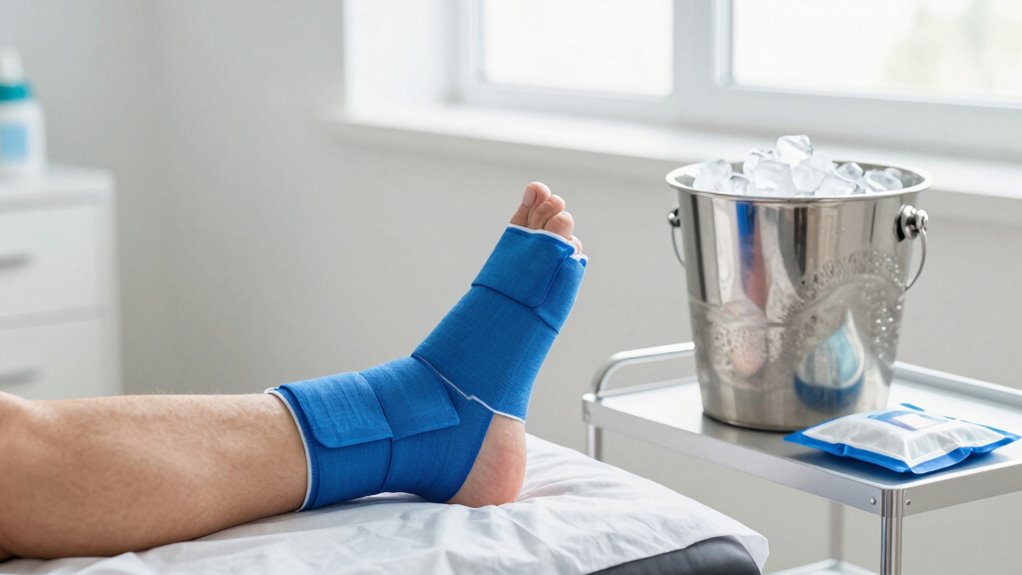
Cold therapy is typically recommended for acute injuries, helping reduce pain and tissue damage. It’s also effective in controlling swelling and inflammation, preventing further complication. Additionally, it can provide quick relief from nerve pain, making it a valuable treatment option for sudden discomfort. Using cold therapy can complement home safety measures that ensure caregivers can effectively manage patient care. Furthermore, engaging in regular exercise can help prevent injuries that might require cold therapy. Cold therapy has also been shown to be beneficial in reducing inflammation associated with various physical activities, further enhancing its therapeutic value. Furthermore, incorporating ethical considerations in treatment choices can lead to more informed and responsible healthcare decisions. For instance, maintaining good indoor air quality can support overall health and recovery, making cold therapy even more effective.
Acute Injuries Response
Have you ever experienced a sudden injury that causes immediate pain and swelling? In these cases, cold therapy is your best first step. Applying ice or a cold pack reduces blood flow to the injured area, minimizing inflammation and numbing pain. This response is essential for acute injuries like sprains, strains, or bruises. Cold therapy helps prevent the injury from worsening and supports the body’s initial response. If you have chronic pain or are focused on long-term healing, using cold therapy during the early phase can also prevent unnecessary tissue damage. Remember, cold therapy is most effective within the first 48 hours after injury. It’s an indispensable tool to manage inflammation, control pain, and set the stage for proper healing. Additionally, understanding men’s color matching can help you choose appropriate attire for your recovery phase, ensuring you feel confident while healing. Incorporating techniques from auditory processing disorder sound therapy can also enhance your overall recovery experience. For instance, utilizing cold therapy can be as straightforward as preparing beetroot puree to enhance your nutrition while you heal.
Swelling and Inflammation
Swelling and inflammation are common responses to injury, signaling that your body is working to heal damaged tissues. Cold therapy is ideal for these conditions because it helps reduce swelling by constricting blood vessels, which slows blood circulation. Applying cold can also numb nerve endings, providing pain relief and decreasing muscle relaxation, so your muscles don’t tighten further. This constriction prevents excess fluid buildup, limiting swelling and inflammation. Use a cold pack or ice wrapped in a cloth on the affected area for 15-20 minutes, several times a day. Avoid using heat during this stage, as it can increase blood flow and worsen swelling. Cold therapy effectively minimizes inflammation and accelerates the initial healing process.
Nerve Pain Relief
When experiencing nerve pain, applying cold therapy can be particularly effective in providing relief. Cold reduces inflammation and numbs the area, helping to calm irritated nerves. It also encourages muscle relaxation, which can relieve tension around the affected nerves. Additionally, cold therapy constricts blood vessels, decreasing blood flow to the area, which helps minimize swelling and nerve compression. This combination of effects can markedly reduce pain and discomfort. Use cold packs during the acute phase of nerve pain, especially if there’s swelling or sharp, shooting sensations. Remember, cold therapy is best for immediate relief and should be applied for short periods to avoid skin damage. Consistent use can help manage nerve pain effectively, especially when combined with other treatments.
How to Use the Decision Tree to Choose the Right Therapy
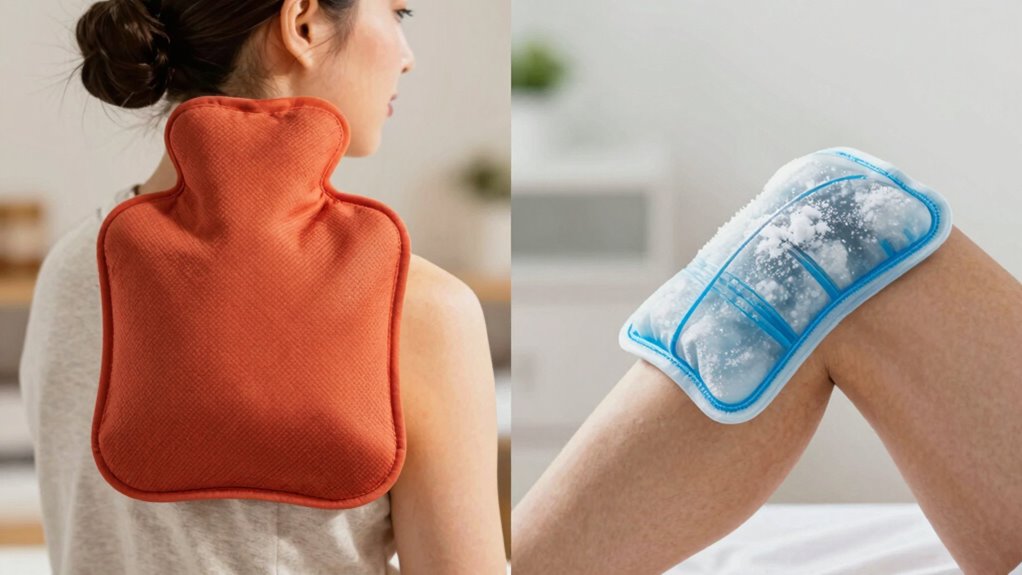
Using a decision tree can simplify choosing between heat and cold therapy by guiding you through a series of straightforward questions. Start by asking if your injury is recent—if yes, cold therapy often reduces swelling. If the pain persists or is chronic, heat may help relax muscles and improve blood flow. Consider your activity level and lifestyle modifications—if you need quick relief for tight muscles, heat might be best. For inflammation or swelling, cold is usually preferred. Use the table below to help decide:
| Question | Yes | No |
|---|---|---|
| Is the injury recent or swollen? | Use cold therapy | Use heat therapy |
| Are you looking to relax muscles or improve circulation? | Use heat therapy | Consider alternative therapies |
| Do you prefer quick relief or ongoing treatment? | Quick relief with cold | Long-term with heat |
This decision tree helps you choose the right therapy efficiently.
Tips for Safe and Effective Heat and Cold Treatments
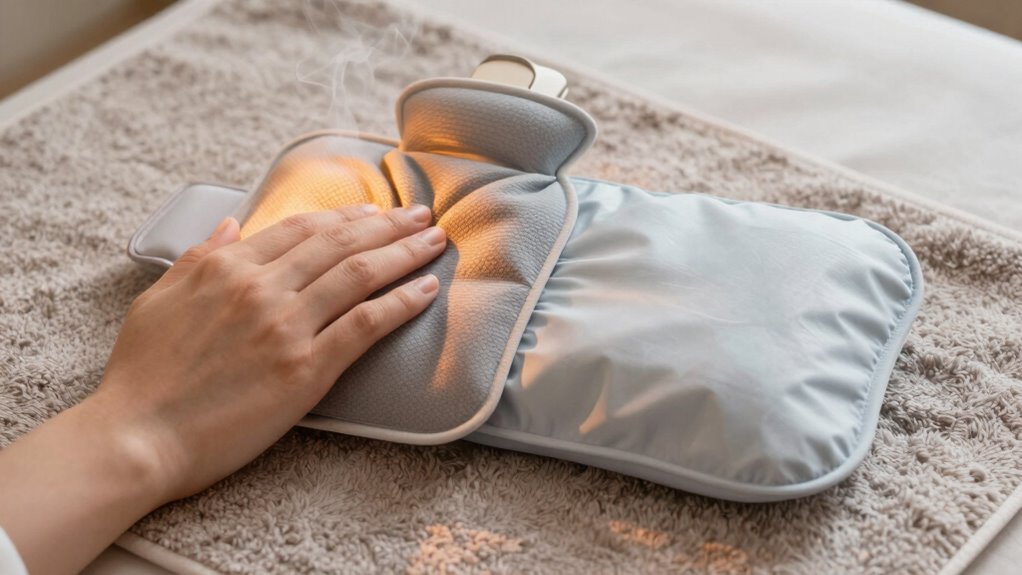
To get the most benefit from heat and cold therapies, it’s important to follow safety guidelines and proper techniques. Use thermal conduction efficiently by applying heat or cold packs directly to your skin, but avoid direct contact with bare skin to prevent burns or frostbite. Always limit treatment sessions to 15-20 minutes and listen to your sensory response; if you experience pain, numbness, or excessive discomfort, remove the pack immediately. For cold therapy, wrap a cloth around the pack to protect your skin, and for heat therapy, use a towel to prevent burns. Staying attentive to your sensory response guarantees safe, effective relief. Proper timing and protection maximize benefits while minimizing risks.
Frequently Asked Questions
Can Heat or Cold Therapy Be Combined for Better Results?
Yes, combining heat and cold therapy can enhance results, especially for thermal penetration and pain relief. You might start with cold therapy to reduce inflammation, then switch to heat to relax muscles and increase blood flow. Alternating between the two can provide thorough pain relief and promote healing. Just be sure to follow appropriate timing and precautions to avoid skin damage or adverse effects.
Are There Any Side Effects of Prolonged Heat or Cold Application?
Prolonged heat or cold application can cause side effects like skin irritation, redness, or burns if the heat is too intense or applied for too long. Cold therapy may lead to numbness, skin irritation, or circulation effects, reducing blood flow. Always limit treatment time, use a barrier like a cloth, and listen to your body to prevent these risks and guarantee safe, effective relief.
How Long Should Each Therapy Session Last?
For heat therapy, aim for session durations of 15-20 minutes to prevent burns or overheating. Cold therapy sessions should last around 10-15 minutes to avoid frostbite or skin damage. Follow the duration guidelines closely, and always listen to your body. If you experience discomfort, numbness, or excessive redness, stop the treatment immediately. Proper session timing guarantees effective relief without risking adverse effects.
Can Children or Pregnant Women Safely Use Heat or Cold Therapy?
You should prioritize pediatric safety and pregnancy considerations when using heat or cold therapy. Children and pregnant women can safely use these therapies, but only under medical guidance. Always consult healthcare providers first, as heat can risk burns or dehydration, and cold may cause frostbite or discomfort. Remember, cautious use, proper duration, and professional advice guarantee safety, comfort, and effective relief for everyone involved.
Is It Safe to Use Heat or Cold Therapy on Open Wounds?
You shouldn’t use heat or cold therapy directly on open wounds, as it can interfere with wound healing and increase infection risk. Cold therapy might slow blood flow needed for healing, while heat could promote bacteria growth. Instead, keep the wound clean, covered, and follow your healthcare provider’s advice. Avoid applying anything directly to open wounds without medical guidance to prevent complications and guarantee proper healing.
Conclusion
Think of heat and cold therapies as your personal toolkit for healing. By understanding how each works and recognizing the signs your body gives, you can navigate your recovery like a skilled conductor guiding an orchestra. This decision tree is your map, leading you to the right treatment at the right time. With safe and effective use, you’ll keep your body’s symphony running smoothly—giving pain the encore it doesn’t deserve.