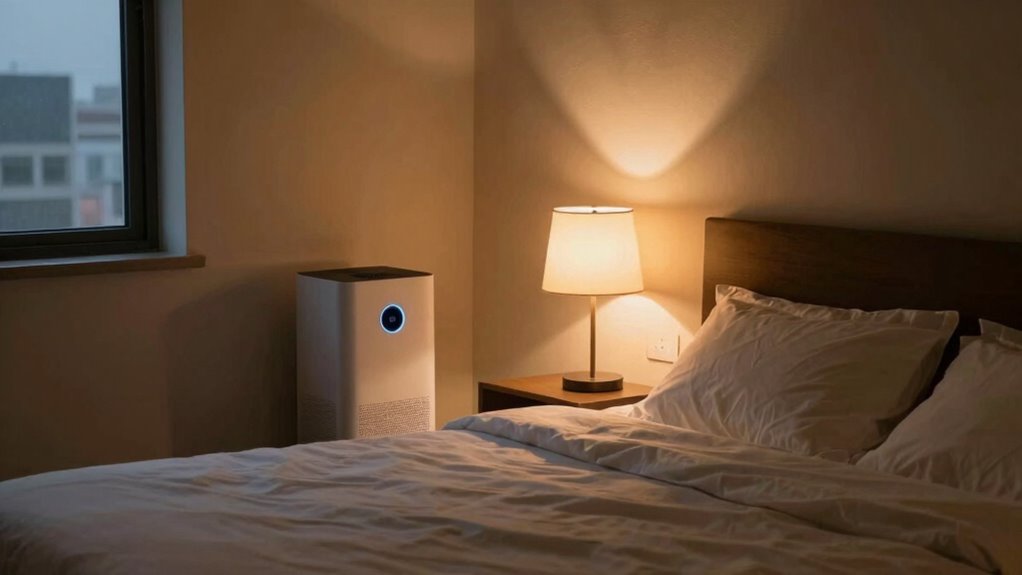
High CO₂ levels in your bedroom make the air feel heavy and stuffy, which can disturb your sleep and leave you feeling groggy. Poor ventilation traps this gas inside, reducing oxygen and causing breathlessness, headaches, and stuffiness. Over time, elevated CO₂ impairs your brain function and diminishes sleep quality. If this sounds familiar, you’ll discover effective ways to improve airflow and keep your bedroom fresh for better sleep.

Turn your quiet moments into listening time
- Thousands of audiobooks, podcasts and originals
- Listen on your phone, tablet or Echo — also offline
- Cancel anytime
Key Takeaways
- Elevated CO₂ levels from poor ventilation can cause sleepiness, grogginess, and decreased sleep quality.
- Stuffy air reduces oxygen intake, leading to mental fog and impaired cognitive function during sleep.
- Lack of fresh air promotes mold and dust buildup, which can trigger allergies and breathing issues at night.
- Proper airflow and ventilation help lower CO₂, improving sleep environment and overall restfulness.
- Using air purifiers and indoor plants can naturally reduce CO₂ and enhance bedroom air quality for better sleep.
As an affiliate, we earn on qualifying purchases.
How CO₂ Makes Your Bedroom Feel Stuffy and Uncomfortable
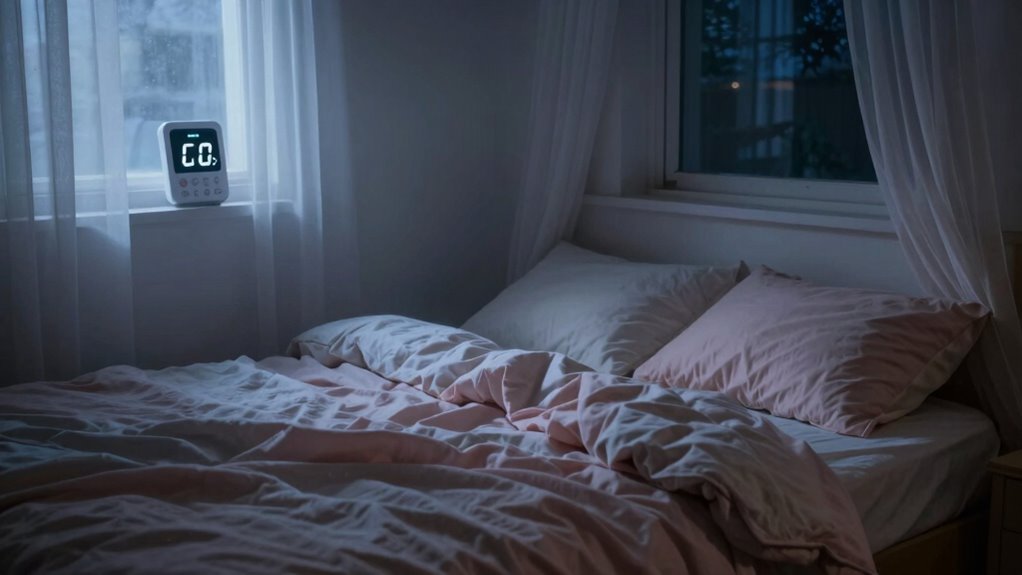
When CO₂ levels build up in your bedroom, it can make the space feel stuffy and uncomfortable. Poor air circulation prevents fresh air from replacing the stale air, causing CO₂ to accumulate. As CO₂ rises, it reduces the overall air freshness, making the room feel heavy and suffocating. You might notice a lingering smell or feel drowsy, even after sleeping. Without proper ventilation, the air becomes stagnant, trapping the CO₂ inside. Increasing air circulation by opening windows or using fans helps dilute the CO₂ concentration, restoring air freshness. This not only makes your room more comfortable but also improves your sleep quality, aligning with mindful room design practices. Additionally, using a dehumidifier can further enhance air quality by removing excess moisture, contributing to a healthier sleep environment. Keeping the air flowing guarantees a healthier, more inviting environment, free from the discomfort caused by stale, CO₂-laden air. Furthermore, maintaining proper ventilation is essential for optimizing air quality and overall well-being. Regularly monitoring air quality levels can also help you stay aware of any potential issues affecting your sleep. Understanding the importance of indoor air quality can help you create a healthier living space.
indoor houseplants for air quality
As an affiliate, we earn on qualifying purchases.
As an affiliate, we earn on qualifying purchases.
Signs Your Bedroom Has Poor Ventilation
Sure! Here’s the revised content with the requested changes:
—
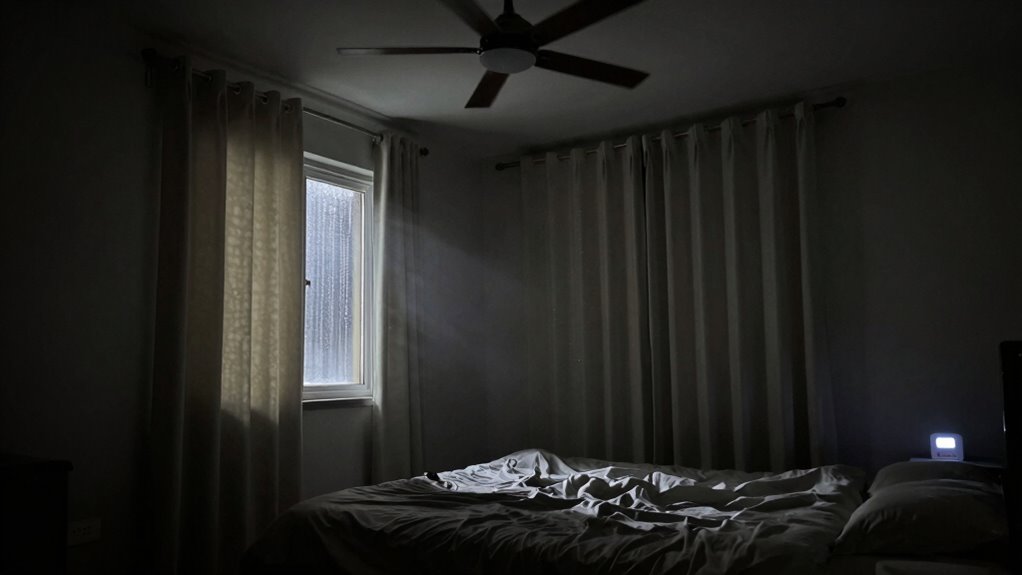
Have you noticed lingering odors or a stuffy feeling in your bedroom? These are clear signs your air quality is poor, affecting your sleep hygiene. If you wake up feeling groggy or notice condensation on windows, ventilation might be lacking. To help, check for these signs:
| Signs of Poor Ventilation | Impact on Sleep Hygiene |
|---|---|
| Persistent odors | Disrupts restful sleep |
| Stuffy or stale air | Reduces oxygen levels |
| Excess humidity | Promotes mold growth |
| Condensation on windows | Indicates poor airflow |
| Visible dust or mold | Affects breathing |
Addressing these issues improves air quality, ensuring you breathe easier at night and enhance your overall sleep quality. Additionally, maintaining proper ventilation in your home can create a healthier sleep environment, much like how cyclists must ensure their gear is well cared for to perform optimally. Furthermore, the presence of security systems can help deter potential intruders, contributing to a more restful sleep. Poor indoor air quality can also lead to microplastics in dust, which may further impact your health and sleep. It’s crucial to understand how eco-friendly natural pools can improve outdoor air quality, thus promoting a better indoor environment.
—
Feel free to let me know if you need any further modifications!
As an affiliate, we earn on qualifying purchases.
How CO₂ Affects Your Sleep and Brain Function

Certainly! Here’s the revised content incorporating the requested changes:
—
Poor ventilation not only makes your bedroom uncomfortable but also impacts the levels of carbon dioxide (CO₂) you breathe in during sleep. Elevated CO₂ levels can reduce your sleep quality by making you wake up feeling groggy and less refreshed. Poor air quality caused by high CO₂ interferes with brain health, impairing cognitive functions like concentration, memory, and decision-making. When CO₂ accumulates, your brain gets less oxygen, which can lead to mental fog and decreased alertness during the day. Over time, consistently poor air quality can negatively affect your brain’s ability to recover and function at its best. Ensuring proper ventilation helps maintain healthy CO₂ levels, improving both your sleep and overall brain health. Effective home soundproofing is essential for restorative sleep and mental clarity. Additionally, addressing filter sizing/flow in your home’s ventilation system can further enhance air quality and reduce CO₂ levels. The importance of healthy air quality cannot be overstated, as it plays a crucial role in maintaining both physical and mental well-being.
—
Let me know if you need any further adjustments!
As an affiliate, we earn on qualifying purchases.
Easy Ways to Measure CO₂ Levels at Home
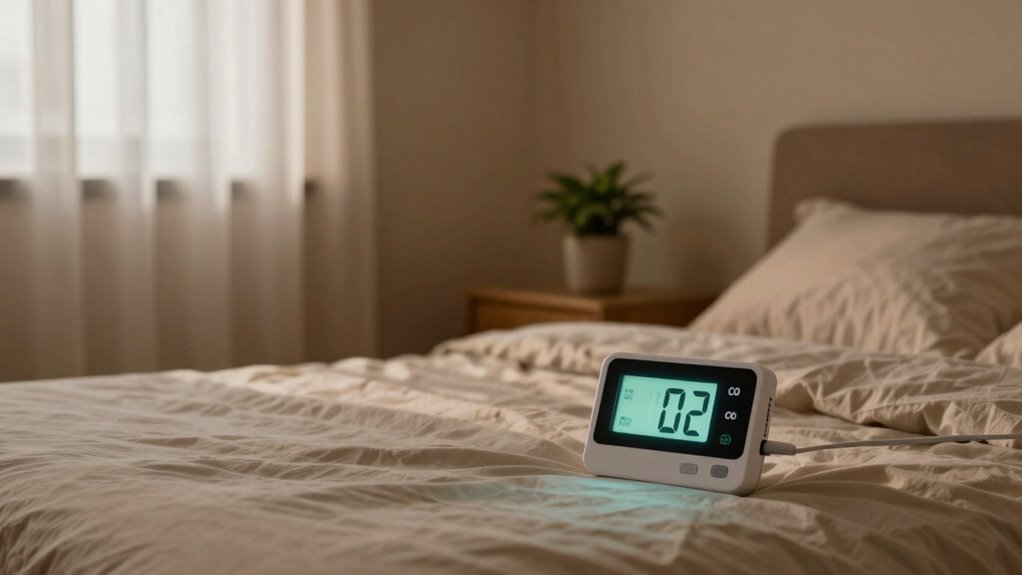
Wondering how to check the air quality in your bedroom without complicated equipment? Simple CO₂ monitors are affordable and easy to use, providing real-time readings of your room’s CO₂ levels. These devices can be placed in your sleeping area to give you a clear idea of your air quality. By monitoring CO₂, you can identify if your room tends to become stuffy, which can affect your sleep hygiene. Most monitors display results on a screen or connect to your phone via an app, making it straightforward to track changes over time. Regularly checking CO₂ levels helps you understand your environment better and take proactive steps to maintain fresh, breathable air—ultimately supporting healthier sleep patterns. Additionally, just like robot mowers optimize yard care, investing in noise machines can enhance your overall well-being. Monitoring air quality can be critical, as high CO₂ levels are known to impair cognitive function and sleep quality.
Simple Strategies to Improve Bedroom Ventilation

You can improve your bedroom’s ventilation by opening windows regularly to boost natural airflow. Using an air purifier helps filter out indoor pollutants and freshen the air. Additionally, incorporating HEPA filters can enhance the effectiveness of your air purifier. Studies show that good ventilation can significantly reduce indoor allergens and improve air quality. Combining these strategies keeps your space healthier and reduces CO₂ buildup. Furthermore, investing in quality air purifiers can significantly improve your indoor environment, especially when they feature advanced filtration systems. Additionally, ensuring optimal indoor air quality can significantly enhance your sleep quality.
Enhance Natural Airflow
Improving natural airflow in your bedroom doesn’t have to be complicated; simple changes can make a significant difference. Natural ventilation is one of the easiest ways to boost airflow enhancement and reduce CO₂ buildup. Start by opening windows regularly, especially in the morning and evening, to let fresh air in and stale air out. Use cross-ventilation by opening windows on opposite sides of the room, creating a natural breeze. Keep window screens clean to maximize airflow. Consider adding vents or adjustable louvers if possible. Avoid blocking vents or windows with furniture or heavy curtains that restrict airflow. These small adjustments promote better air circulation, helping you breathe fresher, cleaner air and improving your sleep quality naturally. Additionally, incorporating natural light into your space can further enhance the overall ambiance and contribute to a more restful environment.
Use Air Purifiers
Using air purifiers can be an effective way to enhance your bedroom’s air quality, especially when natural airflow is limited. They help reduce CO₂ buildup and airborne pollutants, creating a healthier sleep environment. To maximize benefits, choose a purifier suited for your room size and guarantee proper air purifier maintenance. Regularly replace filters and clean vents to keep it functioning efficiently. Here’s a quick guide:
| Feature | Benefits | Maintenance Tips |
|---|---|---|
| HEPA filters | Remove dust, allergens, pollutants | Replace every 6-12 months |
| Activated Carbon | Absorb odors and VOCs | Check monthly, replace as needed |
| Room Size Compatibility | Ensures effective air cleaning | Match purifier to room size |
| Noise Level | Minimal disruption for sleep | Opt for quiet models |
| Energy Efficiency | Save on power consumption | Use timers or eco modes |
This approach supports sleep environment optimization and better air quality. Additionally, maintaining requirements traceability in air quality management can help ensure compliance with health standards and improve overall effectiveness.
Can Air Purifiers and Plants Help Reduce Indoor CO₂?
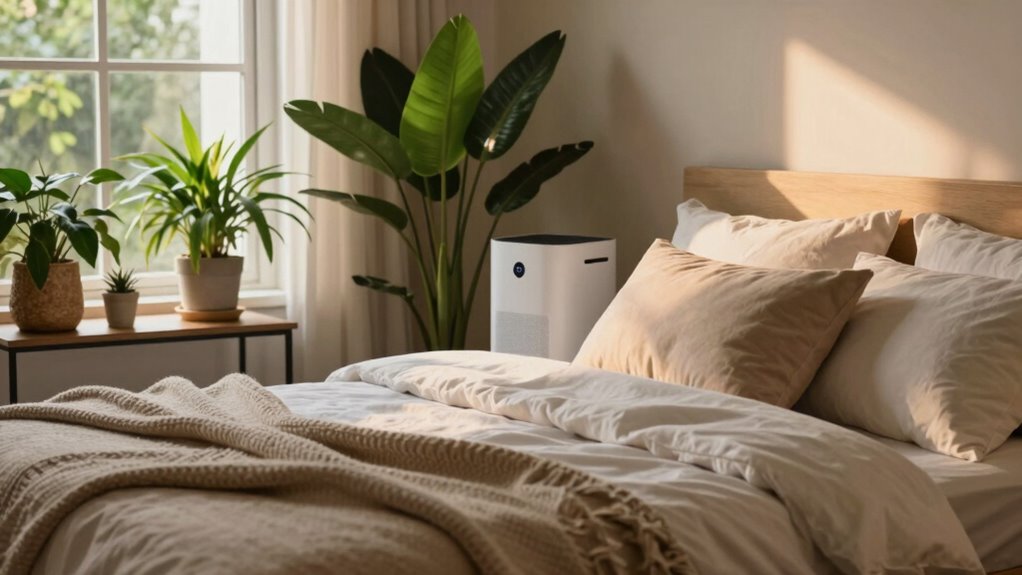
Air purifiers can help remove some indoor pollutants, but their effectiveness at reducing CO₂ levels is limited. Indoor plants can absorb CO₂ and release oxygen, yet they can’t replace proper ventilation. Combining these with good ventilation strategies is your best bet for maintaining healthy indoor air.
Effectiveness of Air Purifiers
Have you ever wondered if air purifiers can effectively lower indoor CO₂ levels? While air purifier technology is excellent at filtering airborne particles like dust, allergens, and pollutants, it’s less effective at removing CO₂. That’s because CO₂ molecules are small and require special filtration systems, such as activated carbon or advanced electrostatic filters, which aren’t standard in most devices. However, air purifiers can still improve indoor air circulation, helping to disperse stale air and promote fresh airflow. This can slightly reduce CO₂ buildup by encouraging better mixing of indoor air. Still, for meaningful CO₂ reduction, ventilation—like opening windows or using exhaust fans—is essential. Air purifiers alone won’t solve high CO₂ levels, but they can complement good airflow practices.
Role of Indoor Plants
While air purifiers mainly target airborne particles, indoor plants can also help manage CO₂ levels. They absorb carbon dioxide during photosynthesis and release oxygen, improving air quality naturally. In urban environments with high pollution, plants can filter some airborne pollutants, reducing overall indoor toxins. Additionally, indoor plants help reduce airborne allergens like dust and mold spores, creating a healthier sleeping environment. While they won’t eliminate CO₂ entirely, having a variety of lush, healthy plants can contribute to fresher air and better sleep. Keep in mind, plants are a complementary solution, not a substitute for ventilation. But when combined with other methods, they can make your bedroom feel less stuffy and more inviting for restful sleep.
Proper Ventilation Strategies
Proper ventilation is crucial for maintaining healthy indoor CO₂ levels, especially in bedrooms where you spend a lot of time. Good air circulation helps remove excess CO₂ and refreshes the space, making it easier to breathe and sleep soundly. To improve ventilation, open windows regularly or use exhaust fans to promote airflow. Humidity control is also essential, as high humidity can worsen air quality and encourage mold growth. Using air purifiers with activated carbon filters can help reduce indoor pollutants, including CO₂, but they shouldn’t replace fresh air exchange. Incorporating indoor plants can support humidity regulation and improve air quality, but they’re not a substitute for proper ventilation. Combining these strategies ensures better air circulation and healthier sleep conditions.
Tips to Optimize Your Bedroom Layout for Better Airflow

Ensuring good airflow in your bedroom starts with strategic furniture placement. To improve airflow patterns, avoid blocking vents or windows with bulky furniture. Keep pathways clear to allow fresh air to circulate freely throughout the room. Position your bed and other large pieces away from windows and vents to prevent obstruction. Consider placing your furniture in a way that encourages cross-ventilation—aligning windows on opposite walls works best. Avoid overcrowding the space, which can hinder airflow and trap stale air. Use open shelving instead of closed wardrobes to promote better air movement. Regularly rearranging furniture can help identify the best layout for consistent airflow. A thoughtful arrangement not only enhances air quality but also creates a more comfortable, breathable environment for restful sleep.
How to Keep Your Bedroom Air Fresh in Every Season
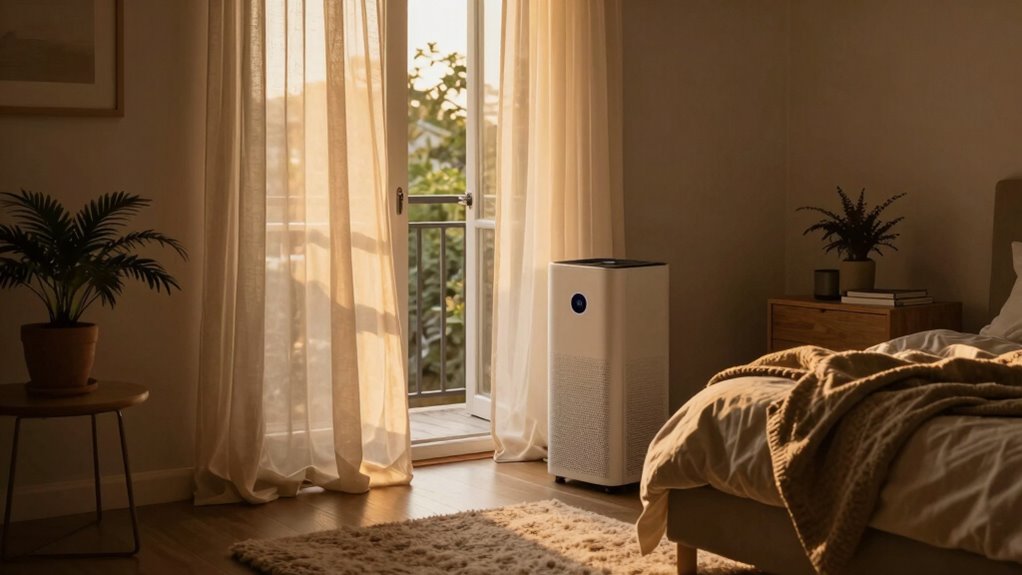
Have you ever noticed how your bedroom air feels different from season to season? To keep it fresh year-round, consider adjusting your decor and lighting. During winter, add decorative accents like plush rugs and cozy throws that don’t trap moisture and help circulate air. Use lighting options like bright, cool LEDs to promote airflow and reduce humidity. In warmer months, incorporate lighter fabrics and open curtains to maximize natural ventilation. Ventilate regularly, especially when weather permits, and avoid clutter that can trap stale air. Adding plants can also improve air quality, but choose ones suited for each season. Small changes like switching to seasonal decorative accents and optimizing lighting can make a significant difference in maintaining fresh, breathable air no matter the time of year.
When to Consider Professional Ventilation or Air Quality Testing

If you notice persistent stuffiness, odors, or headaches in your bedroom, it might be time to think about professional air quality testing. Scheduling an assessment can pinpoint issues and help you decide if ventilation upgrades are needed. Proper ventilation can improve your sleep and overall health, making professional help a smart investment.
Signs of Poor Air Quality
Ever notice persistent odors, unexplained allergies, or a lingering stuffiness in your bedroom? These are clear signs of poor air quality. If you often wake up feeling congested or have itchy eyes, indoor allergens like dust mites or pet dander might be to blame. Air pollution indoors can build up from cooking, smoking, or inadequate ventilation. Other signs include a musty smell, mold growth, or frequent headaches. You might also notice increased respiratory issues or worsening allergy symptoms. These clues indicate your air isn’t circulating properly or is contaminated with pollutants. When these symptoms persist, it’s time to contemplate professional ventilation or air quality testing to identify hidden issues and improve your sleep environment.
When to Schedule Testing
Recognizing when to schedule air quality testing or consider professional ventilation is key to ensuring a healthier bedroom environment. If you notice persistent stuffy air, headaches, or difficulty sleeping despite good habits, it’s time to evaluate your air quality. Poor ventilation can trap CO₂ and other pollutants, making your room uncomfortable and affecting sleep quality. If your existing ventilation systems aren’t effectively exchanging indoor and outdoor air, or if you’re unsure about their performance, professional testing can identify issues. Scheduling testing is especially important if you’ve recently renovated, added new furniture, or if your bedroom is tightly sealed. Monitoring your air quality helps determine whether upgraded ventilation systems are needed to maintain fresh, healthy air and improve your sleep environment.
Benefits of Professional Ventilation
Professional ventilation can considerably improve your bedroom’s air quality, especially when basic methods fall short. When you notice persistent stuffiness, odors, or elevated CO₂ levels, it’s time to think about installing advanced ventilation systems or scheduling air quality testing. These systems effectively remove indoor pollutants and regulate airflow, guaranteeing fresh, healthy air. You might also benefit if you experience allergies, headaches, or sleep disturbances despite regular airing out. Professional assessment helps identify specific problems and tailor solutions to your space. Proper ventilation isn’t just about comfort; it’s crucial for your health and sleep quality.
- Detects hidden air quality issues
- Tailors ventilation solutions to your needs
- Removes excess CO₂ and indoor pollutants
- Ensures continuous fresh airflow
Create a Sleep-Friendly Environment by Managing Indoor Air Quality
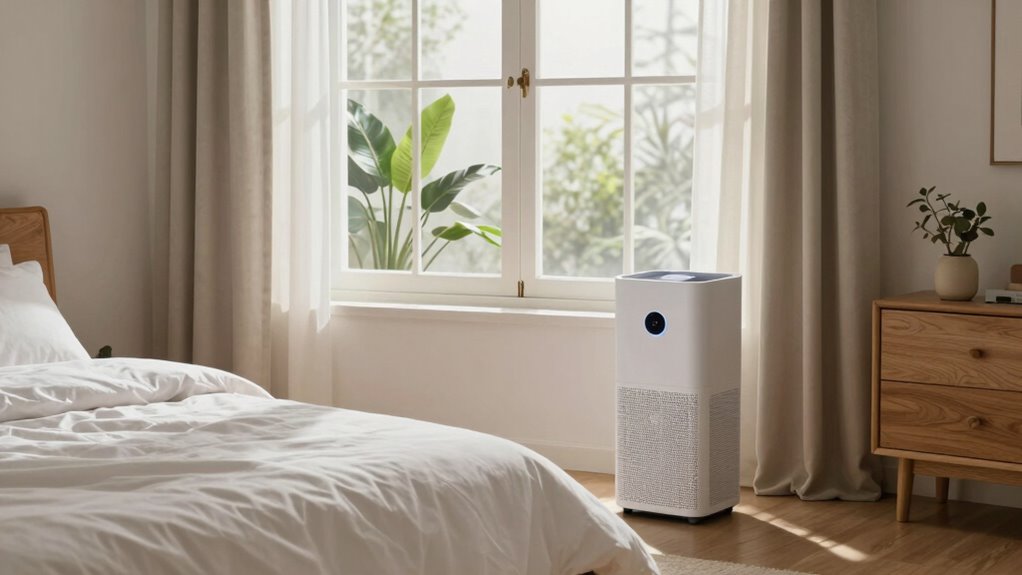
Have you ever considered how the air you breathe in your bedroom affects your sleep quality? Improving indoor air quality can make a considerable difference. Using air purifiers helps remove excess CO₂, allergens, and pollutants, creating a cleaner environment. Incorporate bedroom plants like snake plants or pothos, which naturally filter toxins and boost oxygen levels. Keep your room well-ventilated by opening windows regularly, especially before bed. Avoid clutter that traps dust and consider reducing indoor sources of pollution, like smoking or burning candles. By managing your indoor air quality, you create a healthier, more breathable space that promotes restful sleep and reduces stuffiness. Small changes like adding plants and using air purifiers can notably improve your sleep environment.
Frequently Asked Questions
Can High Co₂ Levels Cause Long-Term Health Issues?
High CO₂ levels can harm your long-term health by impacting indoor air quality and respiratory health. When CO₂ builds up, you might experience headaches, fatigue, or difficulty concentrating, which could signal ongoing issues. Over time, poor indoor air quality may contribute to respiratory problems or exacerbate existing conditions. To protect yourself, guarantee good ventilation and monitor indoor air quality, promoting healthier lungs and better overall well-being.
How Does Co₂ Compare to Other Indoor Air Pollutants?
You’ll find that CO₂ is less harmful than many other indoor air pollutants, but it still impacts indoor air quality. Unlike volatile organic compounds or mold, CO₂ mainly indicates poor ventilation and isn’t a direct toxin. Pollutant sources like cleaning products, smoke, and pet dander pose bigger health risks. Still, high CO₂ levels can cause discomfort and sleep issues, making ventilation essential for maintaining healthy indoor environments.
Are There Specific Seasons When Co₂ Buildup Is Worse?
Imagine your bedroom as a closed jar; during winter and summer, seasonal ventilation drops, trapping CO₂ inside. Cold weather often means less fresh air, and in hot, humid seasons, you keep windows shut to block heat and pests. Weather impacts ventilation, making CO₂ buildup worse in these seasons. So, you notice stuffy air more in winter and summer, disrupting sleep and increasing CO₂ levels indoors.
Can Pets Influence Indoor Co₂ Concentrations?
Pets can influence indoor CO₂ levels slightly, especially if they’re in your bedroom frequently. Pet dander and their movement can affect air quality, but they don’t directly increase CO₂ concentrations. Poor air circulation, however, can cause CO₂ buildup, making the room stuffy. Ensuring good ventilation, even with pets around, helps keep air fresh and prevents CO₂ from reaching uncomfortable levels, promoting better sleep for you.
What Are the Most Cost-Effective Ventilation Solutions for Small Bedrooms?
To improve small bedroom airflow cost-effectively, consider using an exhaust fan or a simple window vent. These solutions promote fresh air exchange without high costs. Keep windows open during the day or install a small, energy-efficient exhaust fan to draw out stale air. Using a ceiling or portable fan can also help circulate air. These options are affordable, easy to install, and considerably boost ventilation for a healthier sleeping environment.
Conclusion
Don’t let stuffy air ruin your sleep—improving ventilation is simple and worth it. You might think it’s a hassle or costly, but small changes like opening windows or using a fan can make a big difference. Better airflow boosts your sleep quality and brain function. So, take control of your indoor air today. Prioritize fresh, well-ventilated air, and enjoy more restful nights—your body and mind will thank you.
Fall Picks
fall essentials
As an affiliate, we earn on qualifying purchases.