Advances in human-robot interaction now enable robot helpers to engage with you naturally, perform complex tasks, and adapt to your needs. These robots recognize facial expressions, interpret tone, and respond with gestures, making interactions feel genuine. They can assist in healthcare, assist with daily tasks, and even provide companionship. As technology evolves, these robots become more personalized, emotionally intelligent, and reliable—helping enhance your independence and safety. Keep exploring to discover how these innovations are reshaping everyday life.
Key Takeaways
- Enhanced social robotics enable robots to recognize emotions, interpret speech, and respond with gestures for more natural interactions.
- Advances in AI and sensors allow robots to learn from interactions, personalizing assistance for individuals’ needs.
- Human-robot collaboration has improved, with robots understanding social cues and working seamlessly alongside humans.
- Social robots are now capable of engaging in meaningful conversations, fostering trust and emotional connections.
- Future developments focus on integrating robots more deeply into daily life to support independence and social well-being.
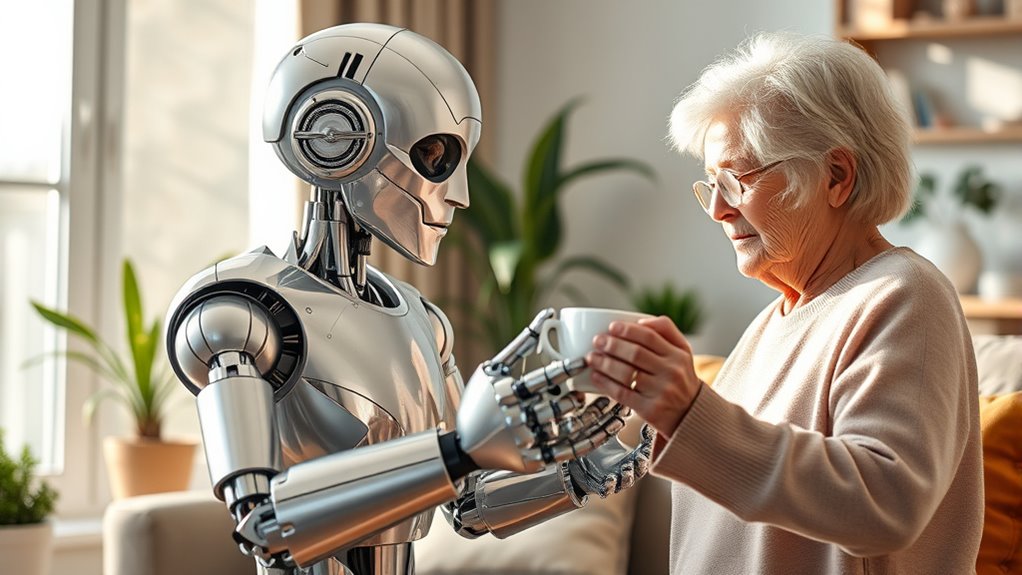
Robot helpers are transforming the way we live and work by taking on tasks that used to require human effort. These machines are not just about automation; they’re about enhancing human experience through assistive technology and social robotics. When you encounter a robot helping at a hospital, assisting in a factory, or guiding visitors at a museum, you’re witnessing how advanced human-robot interaction has become. These robots are designed to understand, respond to, and even anticipate your needs, making interactions more natural and effective.
Assistive technology plays a crucial role in this revolution. It enables robots to support people with disabilities, the elderly, or anyone needing extra help. Imagine a robot that reminds you to take your medication, helps you navigate unfamiliar environments, or assists with daily chores. These robots are equipped with sensors, AI algorithms, and speech recognition, allowing them to perform complex tasks and adapt to individual needs. They don’t just follow a set of instructions; they learn from interactions, improving their assistance over time. This creates a more personalized experience and fosters independence for users, which is indispensable in healthcare and home settings. Additionally, the integration of local store hours information can help optimize when and where these robots provide assistance, ensuring timely support.
Assistive robots adapt and learn, providing personalized support to enhance independence in healthcare and daily life.
Social robotics, on the other hand, focuses on making robots capable of engaging with humans on a social level. You might see these robots in customer service roles, educational environments, or even as companions for the elderly. They’re programmed to recognize facial expressions, interpret tone of voice, and respond with appropriate gestures and language. This makes the interaction feel more genuine and less mechanical. As you converse with a social robot, you’ll notice it can maintain eye contact, mimic emotions, and even remember previous conversations, which adds a layer of familiarity and trust. These advancements are pushing the boundaries of human-robot interaction, making robots more intuitive and responsive.
The progress in social robotics and assistive technology is also opening new possibilities for collaboration. Robots can now work alongside humans, understanding social cues and responding accordingly, creating a seamless partnership. Whether it’s a robot assisting a teacher in a classroom or helping a patient navigate a rehabilitation program, these innovations are making human-robot collaboration more natural and beneficial. As technology continues to evolve, you can expect these helpers to become even more integrated into daily life, offering support that’s not only functional but also emotionally intelligent. Essentially, advances in human-robot interaction are paving the way for a future where robots are trusted allies, enhancing independence, safety, and social connection.

Enabot EBO SE Home Robot Camera: 1080P Mobile FamilyBot Pet Companion
- Remote Control and Mobile Viewing: Navigate and monitor remotely from anywhere
- 1080P HD Video & Night Vision: Clear visuals day and night
- Two-Way Audio Communication: Talk and listen in real-time
As an affiliate, we earn on qualifying purchases.
As an affiliate, we earn on qualifying purchases.
Frequently Asked Questions
How Do Robots Interpret Human Emotions During Interactions?
You might wonder how robots interpret your emotions during interactions. They use emotion recognition, analyzing facial expressions, voice tone, and body language to understand your feelings. Affective computing enables robots to process these cues in real-time, allowing them to respond appropriately. By combining sensors and machine learning, robots can accurately gauge your emotional state, making interactions more natural and empathetic.
What Safety Measures Are in Place for Human-Robot Contact?
You probably think robots are just friendly helpers, but safety’s no joke. Sensor safety guarantees they stop or slow down if you get too close or if something’s amiss. Emergency protocols kick in instantly if a robot detects a hazard, shutting down or alerting humans. These measures keep you safe during contact, proving that even in a robot’s world, human safety remains top priority—because nobody wants a Terminator in their living room.
Can Robots Learn New Tasks Independently Over Time?
Yes, robots can learn new tasks independently over time through machine learning and autonomous adaptation. You’ll notice that they analyze data from their environment, adjust their algorithms, and improve performance without human intervention. This capability enables robots to handle unpredictable situations, refine their skills, and become more efficient in assisting you. As they continue to learn, their autonomy increases, making your interactions smoother and more effective.
How Do Cultural Differences Affect Human-Robot Communication?
Cultural differences are like different languages in a global village, shaping how you communicate with robots. You might find that cultural barriers and communication styles influence how robots interpret commands or respond to emotions. If you don’t take these nuances into account, interactions can feel like speaking to a stranger. Adjusting your approach ensures smoother exchanges, helping robots understand your needs better regardless of cultural backgrounds, making your experience more natural and effective.
What Are the Privacy Concerns Associated With Robot Data Collection?
You should be aware that data collection by robots raises significant privacy concerns, especially around data security. Robots often collect personal information, which could be misused or hacked if not properly protected. Ensuring clear consent protocols is essential, so you understand what data is gathered and how it’s used. Stay informed about privacy policies and demand robust data security measures to protect your personal information from potential breaches.
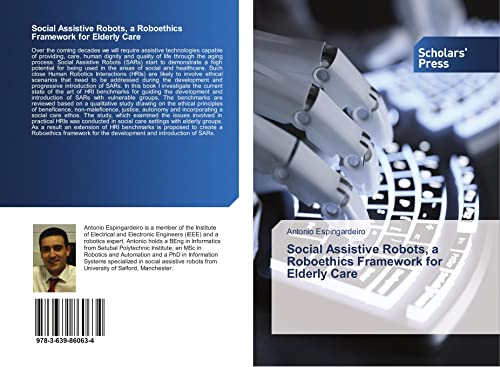
Social Assistive Robots, a Roboethics Framework for Elderly Care
As an affiliate, we earn on qualifying purchases.
As an affiliate, we earn on qualifying purchases.
Conclusion
You might think robots will only serve basic needs, but recent advances suggest they could genuinely understand and adapt to us. This progress hints that human-robot interaction isn’t just about convenience—it’s about building trust and empathy. If we believe robots can truly assist, we need to contemplate how our perceptions shape their development. Ultimately, the more we explore this, the more we realize that collaboration with robots could mirror our own capacity for connection and growth.

As an affiliate, we earn on qualifying purchases.
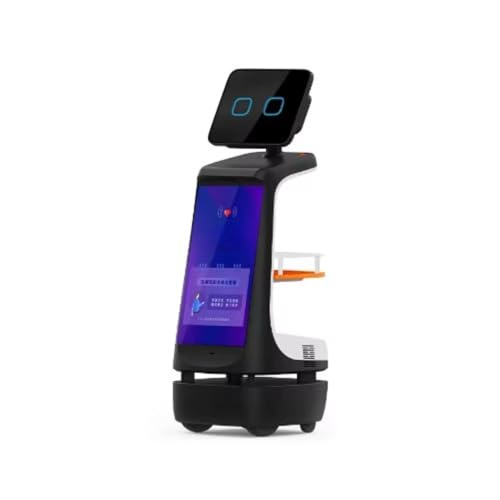
Intelligent Guidance Robots, Mobile Welcoming Service Robots with Voice Broadcasting and Route Navigation Functions, are Suitable for Exhibition Halls, Shopping malls, and airports.
- Model and customization options: Multiple models with customization support
- Contact for pricing: Price varies; contact us via WhatsApp
- On-site guidance: Real-time route and store guidance
As an affiliate, we earn on qualifying purchases.
As an affiliate, we earn on qualifying purchases.