To combat misinformation and deepfakes, you should combine media literacy skills with advanced detection tools. Think critically about online content, check the source, and question emotionally charged or shocking material. Use AI-powered apps and fact-checking websites to verify videos and images, and stay informed about the latest technological developments. By blending judgment and technology, you can better spot falsehoods. If you keep exploring, you’ll uncover even more effective strategies to protect your digital environment.
Key Takeaways
- Enhance media literacy to critically evaluate sources and recognize manipulated content.
- Utilize AI-powered detection tools to identify signs of deepfakes and misinformation.
- Cross-check information across reputable sources before sharing or accepting as true.
- Stay informed about evolving deepfake techniques and limitations of current detection methods.
- Promote active verification and responsible sharing to foster a truthful digital environment.
In an era where digital content spreads rapidly, misinformation and deepfakes pose serious threats to truth and trust. As someone who consumes and shares online content daily, you need to be vigilant against false information that can distort perceptions and influence decisions. Building your media literacy is your first line of defense. Media literacy empowers you to critically evaluate sources, recognize biases, and distinguish credible information from fabricated content. When you see a shocking headline or a viral video, ask yourself: is this backed by reputable sources? Is it consistent with what you know? Developing these skills helps you avoid falling for misleading narratives and minimizes the spread of falsehoods.
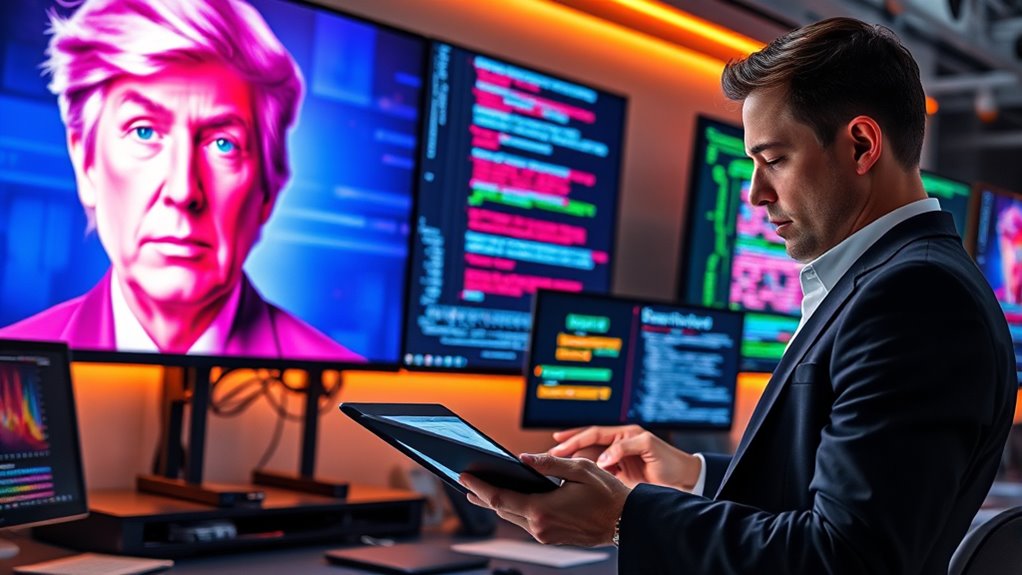
However, media literacy alone isn’t enough. Technological detection plays an essential role in combating deepfakes and misinformation. Advances in AI and machine learning have led to tools that can analyze videos, images, and audio to identify signs of manipulation. For example, some programs scan for inconsistencies in lighting, facial movements, or audio patterns that typical viewers might not notice. By leveraging these technological detection methods, you can verify whether a piece of digital content has been tampered with before accepting it as truth or sharing it with others. Many fact-checking organizations now incorporate automated detection tools into their workflows, making it easier for you to access verified information.
Being proactive means using available tools and cultivating a skeptical mindset. When you encounter content that seems too extreme or emotionally charged, consider its origin and purpose. Use fact-checking websites and technological detection apps to scrutinize suspicious material. Remember, deepfakes are becoming more sophisticated, so relying solely on visual cues isn’t enough. Cross-referencing information across multiple reputable sources is essential. This habit enhances your ability to spot inconsistencies and verify facts. Incorporating media literacy skills into your routine strengthens your capacity to identify falsehoods and reduces the influence of misinformation.
In addition, staying informed about the latest developments in deepfake technology and detection techniques helps you stay ahead. Educate yourself about common indicators of manipulated content and the limitations of current detection tools. Recognize that no single method is foolproof, so combining media literacy skills with technological detection provides a more well-rounded shield against misinformation. By actively engaging in these practices, you not only protect yourself but also contribute to a more truthful digital environment. Your critical thinking and vigilance are indispensable in the ongoing fight against misinformation and deepfakes, ensuring that truth prevails in the digital age.
Frequently Asked Questions
How Can Individuals Verify the Authenticity of Online Content Effectively?
You can verify online content effectively by checking the source first. Look for information from trusted sources and compare it with other reputable outlets. Use trusted fact-checking websites to confirm facts and identify falsehoods. Always be cautious of sensational headlines and suspicious links. By practicing source verification and relying on trusted fact-checkers, you minimize the risk of falling for misinformation or deepfakes and guarantee you’re consuming accurate content.
What Role Do Social Media Platforms Play in Combating Misinformation?
Imagine scrolling through your feed, where social media platforms act as vigilant gatekeepers, ensuring the content you see is trustworthy. They play a vital role by enforcing platform accountability and implementing content moderation, which filters out false information and deepfakes. This proactive approach helps maintain a safer online environment, making it easier for you to access accurate information and reducing the spread of misinformation.
Are There Legal Penalties for Creating or Sharing Deepfakes?
Yes, there are legal consequences for creating or sharing deepfakes. You could face penal measures like fines or even criminal charges, depending on the intent and impact. Laws are being updated to address malicious deepfake use, especially when they harm someone’s reputation or manipulate elections. It’s important you understand that producing or distributing harmful deepfakes can lead to serious legal consequences, so always act responsibly online.
How Does Misinformation Impact Public Health and Safety?
Misinformation can seriously threaten public health and safety, as fake news and conspiracy theories spread rapidly online. You might believe false claims about vaccines or treatments, leading to dangerous decisions. When you fall for these falsehoods, you risk ignoring critical health advice, which can cause harm on a large scale. It’s essential to verify information before sharing, so you help protect your community from the real dangers of misinformation.
What Technological Tools Are Most Effective Against Deepfake Detection?
You should focus on AI algorithms and blockchain verification as the most effective tools against deepfake detection. AI algorithms analyze video and audio patterns to identify signs of manipulation quickly. Blockchain verification guarantees the authenticity of digital content by providing a secure, tamper-proof record of origin. Together, these technologies help you spot deepfakes more accurately and protect public trust in digital media.
Conclusion
You now see how essential it is to stay vigilant against misinformation and deepfakes. With over 90% of news shared online being false or misleading, you must verify sources before believing everything you see. By staying informed and using fact-checking tools, you can protect yourself and others from deception. Remember, your critical eye is your best defense in this digital age—together, we can reduce the spread of misinformation and maintain trust online.