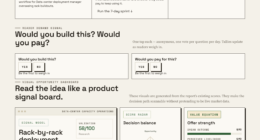
📊 Full opportunity report: The Role Of Guardrail Layers In AI Agent Infrastructure Security on IdeaNavigator AI — validation score, market gap, and execution plan.
TL;DR
Security experts are testing guardrail proxy layers for MCP servers to prevent misuse of AI agents. This development aims to address vulnerabilities as enterprises rapidly adopt MCP for agent-tool integration.
Security teams are actively testing a new guardrail proxy layer designed to sit in front of existing MCP servers, adding security features such as allowlists, identity verification, and audit logs. This initiative responds to rising security risks as enterprises deploy MCP-based AI agent systems without sufficient permission controls, potentially exposing internal tools to misuse of AI agents.
The primary confirmed development involves creating a proxy that enhances MCP server security by implementing per-tool allowlists, per-agent identity checks, human approval gates for destructive actions, rate limiting, and searchable audit logs of all tool calls. This proxy aims to mitigate risks associated with unregulated agent access, which currently exists in many production environments where MCP servers are wired into systems without proper permission models or audit trails.
Security engineers and researchers are conducting tests on open-source MCP audit proxy prototypes, with initial focus on validating their effectiveness in preventing prompt-injection-driven tool abuse. The initiative is driven by the rapid adoption of MCP in 2025-2026, which has outpaced security review processes, creating vulnerabilities that malicious actors could exploit. The goal is to establish a standardized, deployable security layer that can be integrated into existing MCP setups, with potential enterprise features like security enhancements.
Why Guardrails Are Critical for AI Infrastructure Security
Implementing guardrail layers for MCP servers addresses a pressing security gap in AI agent infrastructure. As enterprises increasingly rely on MCP for integrating AI agents with internal tools, the lack of permission controls and audit capabilities exposes organizations to potential misuse, data leaks, and malicious attacks. The development of these proxy guardrails could significantly reduce the attack surface, improve accountability, and foster safer adoption of AI automation at scale. This is especially relevant given the documented rise in prompt-injection and tool abuse attacks, which can lead to costly security breaches and operational disruptions.As an affiliate, we earn on qualifying purchases.
Rapid Adoption of MCP and Emerging Security Challenges
Since its emergence as the de facto standard for agent-tool integration in 2025, MCP has seen widespread adoption across industries. Enterprises deploy MCP servers to connect AI agents with internal tools, automating workflows and decision-making processes. However, this rapid deployment has outpaced security reviews, leading to vulnerabilities. Many organizations wire MCP servers directly into production without implementing permission models, audit trails, or guardrails, creating opportunities for malicious exploitation. The recent recognition of prompt-injection attacks as a significant threat has accelerated efforts to develop security solutions like guardrail proxies.
Industry experts and security engineers are now focusing on building and testing security layers that can be integrated with existing MCP setups, aiming to prevent misuse and improve accountability. The open-source MCP audit proxy, currently under development, is seen as a promising step toward standardizing security practices in this evolving landscape.
“The guardrail proxy aims to add essential security controls to MCP servers, addressing the lack of permission and audit features in many production environments.”
— an anonymous researcher
As an affiliate, we earn on qualifying purchases.
Unresolved Questions About Guardrail Proxy Effectiveness
It is not yet clear how well the guardrail proxy will perform at scale or how easily it can be integrated into diverse enterprise MCP deployments. The effectiveness of human approval gates and allowlists in preventing sophisticated attacks remains to be validated through broader testing and real-world deployment.
Additionally, the long-term security implications and potential for bypass methods are still being studied, and the specific enterprise features (e.g., policy packs, SSO integration) are in early development stages.
AI agent permission control software
As an affiliate, we earn on qualifying purchases.
As an affiliate, we earn on qualifying purchases.
Next Steps for Security Layer Deployment and Validation
Developers and security teams plan to publish the open-source MCP audit proxy for wider testing and adoption. They aim to gather feedback from at least twenty production teams to refine the proxy’s features, particularly around permission controls and audit capabilities. Future milestones include deploying pilot projects in enterprise environments, conducting security audits, and formalizing best practices for MCP security guardrails.
Further research will focus on assessing the proxy’s resilience against advanced attack vectors and integrating enterprise features like SSO and compliance tools, with the goal of establishing industry standards for MCP security.
As an affiliate, we earn on qualifying purchases.
Key Questions
What is the main purpose of the guardrail proxy for MCP servers?
The guardrail proxy is designed to add security controls such as allowlists, identity verification, human approval, rate limiting, and audit logging to MCP servers, reducing risks of misuse and attacks.
How does this development address current MCP security gaps?
It introduces permission controls and audit capabilities that are lacking in many existing MCP implementations, helping prevent malicious or accidental misuse of internal tools by AI agents.
When will these security features be available for widespread use?
The open-source proxy is currently in testing, with broader deployment and enterprise feature integration expected over the next several months as feedback is collected and improvements made.
Are there any risks or limitations associated with the guardrail proxy?
Its effectiveness at scale and against sophisticated attacks is still being evaluated. Integration challenges and potential bypass methods are also under investigation.
What is the significance of this development for AI security?
Implementing guardrail layers could significantly improve the safety and accountability of AI agent systems, enabling more secure enterprise adoption and reducing vulnerability to attacks like prompt-injection.
Source: IdeaNavigator AI