TL;DR
Spiritual meditation cushions are supportive seats that can make seated practice feel more comfortable and stable. Choose one by checking your posture, cushion height, filling, and care instructions; a chair or bench can work just as well if it better suits your body.
A cushion can help your body settle, but it cannot do the meditating for you. If your hips ache or your legs go numb ten minutes into a quiet sit, a beautiful cover will not fix the problem. The useful question is simple: does this seat let you stay supported without fighting your posture?

Turn your quiet moments into listening time
- Thousands of audiobooks, podcasts and originals
- Listen on your phone, tablet or Echo — also offline
- Cancel anytime
Spiritual meditation cushions are seats used during practices such as mindfulness, Zen meditation, yoga, prayer, and breathwork. This guide explains what they do, how to compare shapes and fillings, and how to find a position that feels steady for your body. You will also see when a chair or bench may suit you better.
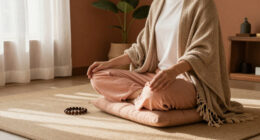
A cushion can become part of a meaningful routine: perhaps you spread a mat beside the window, feel the woven cover beneath your hands, and take three quiet breaths before sitting. Its role is practical, though. Your practice gives it meaning; the cushion itself does not promise spiritual progress or a particular experience.
A meditation cushion supports your seated posture; it does not guarantee concentration or spiritual progress.
A zafu is usually a small raised seat, while a zabuton is a larger pad for the knees and ankles.
Choose height and firmness by trying a short sit and checking for balance, pain, tingling, or numbness.
Buckwheat hulls are adjustable, kapok is light and resilient, and foam gives consistent cushioning.
A chair, bench, or folded blanket can work if it better supports your body.
What a meditation cushion can—and cannot—do for your practice
A spiritual meditation cushion is a seat designed to support your body during seated practice, helping you find a more comfortable and stable position. It may raise your hips, soften pressure beneath you, or help you settle into a routine. It cannot guarantee focus, calm, or spiritual progress.
Think of it like a sturdy chair at a writing desk. A good chair makes it easier to write without fidgeting, but it does not supply the words. In the same way, a cushion may reduce distractions from discomfort while you meditate, pray, or practice breathwork. The experience still belongs to you and the practice you bring to it.
For example, imagine you usually sit on a hard floor and begin shifting after five minutes. A cushion may soften the contact and raise your pelvis so your legs can rest more comfortably. If you still feel pain, tingling, or numbness, change position; the cushion is not a reason to push through warning signs.
A cushion supports the posture you choose; it does not make one posture necessary or spiritually superior.
That distinction matters when you shop. Embroidery, colors, and motifs can carry personal or tradition-specific meaning, but no design has a universal effect. Choose a symbol because it resonates with you or your community, not because a seller claims it guarantees a deeper sit.
Products Worth Considering

Withings BPM Vision Blood Pressure Monitor

Philips Sonicare 5950 Rechargeable Electric Toothbrush with 2 Brush Heads, Black

Withings Body Scan Smart Scale
As an affiliate, we earn on qualifying purchases.
Find a sitting position that feels steady, not forced
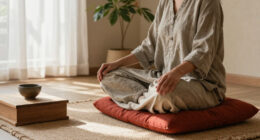
The right cushion helps you sit reasonably upright and balanced, without sharp pressure or numbness. A round cushion, often called a zafu, can raise your hips so your knees rest lower than them, but that arrangement is only useful if your body finds it comfortable.
Cross-legged sitting is not required. You can sit on a chair with both feet supported, kneel on a bench, or choose another stable posture. For instance, if your ankles protest on the floor, try placing a folded blanket beneath them or sitting on a chair near your usual meditation spot. Your practice can stay familiar even when your seat changes.
Use this short check before extending your sitting time:
- Sit for five to ten minutes. Notice whether you can breathe comfortably and keep your back upright without strain.
- Check your legs and hips. Mild pressure may ease as you settle, but pain, tingling, or numbness calls for a position change.
- Try a small adjustment. Raise or lower the seat, shift your feet, or use a chair and see whether your balance improves.
- Repeat briefly. Compare how each position feels the next day instead of committing to a long session right away.
This is a practical fit test, not a posture exam. If you have persistent pain, an injury, or mobility limits, a qualified clinician or meditation teacher can help you choose a safer, more comfortable setup.
Compare cushion shapes and fillings before you buy
No single cushion style suits everyone: shape, height, and filling affect how a seat feels and how easy it is to maintain. A round cushion may suit someone who likes a raised seat, while a rectangular cushion or bench may feel steadier for someone who kneels. The best choice depends on your body, preferred posture, and practical needs.
A zafu is typically a smaller raised cushion for sitting. A zabuton is a larger mat or cushion placed beneath the sitter to pad the knees and ankles. Some people use both, like a small platform on a soft rug; others need only one seat. Names describe common forms, not rules about what your practice must include.
| Option | What it can offer | What to check |
|---|---|---|
| Buckwheat hulls | Filling can be added or removed to adjust height and firmness. | Weight, refill access, and whether you like a firm, shifting feel. |
| Kapok | Lightweight, resilient support. | Whether its springy feel suits you and how the cover is cared for. |
| Foam | Consistent cushioning and support. | Its firmness and the seat’s height for your posture. |
| Bench or chair | A different stable posture when floor sitting is uncomfortable. | Seat height, foot support, and pressure on your knees or back. |
For example, if one cushion feels too high and tips your balance, adjustable buckwheat filling may let you remove a little at a time. If you carry your seat to class, a lighter option may matter more. Compare dimensions and weight, since product photos rarely show how large a cushion feels beside your own body.
Choose cushion height by testing your posture
Your cushion should be high enough to support an easy, upright sit, but not so high that you feel wobbly. There is no universal height: your proportions, flexibility, and chosen posture all affect the fit. A seat that works for a friend may leave your hips or knees uncomfortable.
Try a short session before settling into longer practice. Sit down, let your shoulders soften, and see whether you can remain balanced without bracing your back. If the cushion is too low, you may feel folded into the floor; if it is too high, you may feel perched. Small changes matter—adding or removing a little filling can noticeably alter the feel.
Here is a real-life example: Maya is comfortable kneeling but feels a pull in her hips when she sits cross-legged. A round cushion does not solve that by itself. She tests a bench for five minutes, then a chair with both feet flat, and chooses the chair because it lets her stay upright without straining. Her meditation still fits her routine; the posture simply suits her body better.
Start with a manageable duration, then build gradually if your body stays comfortable. A cushion may make some positions easier, but it is not treatment for back or knee pain. If discomfort persists or worsens, stop testing that position and seek guidance from a qualified professional.
Check materials, care, and spiritual symbolism with care
A useful cushion should fit both your body and your household routine, so check dimensions, filling, cover care, and material details before you order. A removable cover is handy if you meditate after a morning walk or keep the cushion in a busy shared room. Follow the label: some covers can go in the wash, while fillings may need to come out first.
Claims such as “organic,” “sustainable,” or “non-toxic” are worth checking against the product’s listed materials and any certifications. Clear product details tell you more than a vague promise. If you have an allergy or sensitivity, look for the specific fiber and filling rather than relying on a broad natural-materials label.
Traditions also shape how people use meditation seating. Zafu and zabuton are Japanese terms associated with Zen sitting cushions, while seating practices vary across cultures and communities. You can learn those terms without treating one object, posture, or tradition as universal. A cushion may be practical in your home and also hold personal meaning; both can be true.
For example, you might choose a plain cotton cover because it is easy to wash, or a particular color because it reminds you of a loved one or a tradition you practice. Treat symbolic meanings as specific to the people and traditions that hold them. A seller’s description should not turn that personal meaning into a guaranteed spiritual effect.
Build a simple meditation setup that you will use
A helpful setup is comfortable, easy to reach, and easy to repeat. Your seat does not need to be expensive or elaborate. Recent product choices commonly include adjustable filling, removable covers, portable designs, and matching cushion-and-mat sets, which give you more options to fit your routine.
Still, a matching set is not automatically a better fit. A thick zabuton may feel pleasant beneath your ankles, but it can take up space in a small apartment. A portable cushion may travel well to class, yet feel too small for a longer sit at home. Compare measurements and weight, then test the seat as soon as it arrives if the seller allows returns.
Imagine you have a ten-minute practice before work. You keep a chair by a sunny window, place a folded blanket over the seat, and leave your phone in another room. On another day, you bring a compact cushion to a community class. The equipment serves the routine; the routine does not have to revolve around the equipment.
To get started, choose one seat and try it for a few short sessions. Note whether you feel stable, whether pressure builds, and whether cleaning or storage will be a hassle. If you already own a folded blanket or supportive chair, test that first. You may discover you do not need to buy a dedicated cushion at all.
Frequently Asked Questions
Do you need a cushion to meditate?
No. A chair, bench, folded blanket, or another supportive seat can work. Choose the option that lets you stay comfortable and stable.
What is the difference between a zafu and a zabuton?
A zafu is typically a smaller raised cushion for sitting. A zabuton is a larger mat or cushion placed underneath to pad the knees and ankles.
How high should a meditation cushion be?
Choose a height that lets you sit upright without strain or feeling perched. Try a short session and adjust the seat or filling if you feel unbalanced or uncomfortable.
Which meditation cushion filling is best?
There is no single best filling. Buckwheat hulls can be adjusted, kapok is lightweight and resilient, and foam offers consistent support; compare their feel, weight, care needs, and your sensitivities.
Can beginners use spiritual meditation cushions?
Yes, but you do not need to sit cross-legged or buy a special cushion to begin. Start with a chair or another stable seat if that feels better, and keep your first sessions manageable.
Can a meditation cushion relieve back or knee pain?
A cushion may make some sitting positions more comfortable, but it is not a treatment for pain. Avoid positions that worsen symptoms and seek professional guidance for persistent discomfort.
Conclusion
Choose a seat that lets you sit with comfort, balance, and room to adjust. Try it for a short session, change position when your body asks, and check the care label before making it part of your daily routine.
Your cushion can be a quiet invitation to pause: a patch of woven fabric beside the window, waiting for you to sit and take one steady breath.