
Nature teaches us that resilience comes through adaptation, patience, and grace. When faced with setbacks, you can develop new skills, shift priorities, and remain flexible. Like ecosystems that recover after storms or fires, your growth is ongoing and requires persistent effort. Embracing change with hope and ease helps you thrive during tough times. Continue exploring these lessons, and you’ll discover how to harness natural resilience to face your own challenges with confidence.

Turn your quiet moments into listening time
- Thousands of audiobooks, podcasts and originals
- Listen on your phone, tablet or Echo — also offline
- Cancel anytime
Key Takeaways
- Embrace change as a natural part of life, viewing setbacks as opportunities for growth and renewal.
- Cultivate resilience by developing diverse skills and relationships that support recovery during challenges.
- Practice patience and persistence, understanding that natural and personal recovery require time and ongoing effort.
- Adapt flexibly by shifting goals, reordering priorities, and developing new strategies in response to obstacles.
- Learn from nature’s example that resilience and adaptation lead to thriving, renewal, and long-term well-being.
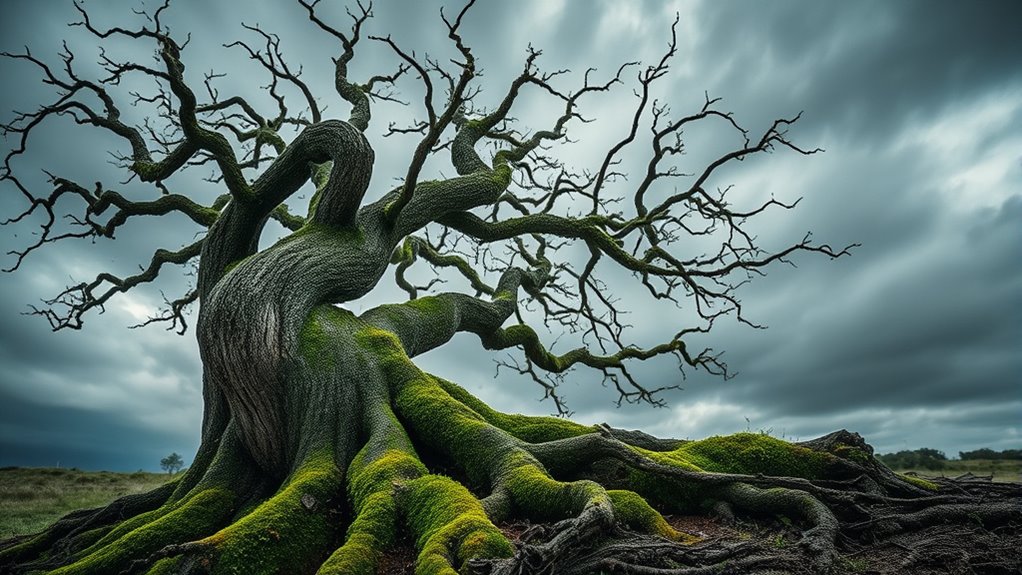
Nature offers countless lessons that can inspire and guide us in everyday life. One of the most essential lessons is understanding ecosystem resilience—the ability of natural communities to recover from disturbances and maintain their fundamental functions. When a storm hits or a fire burns through a forest, you see how ecosystems bounce back over time, often in ways that surprise you. This resilience isn’t accidental; it results from adaptive strategies that plants, animals, and entire systems develop to survive changing conditions. Observing how nature handles adversity can teach you a lot about your own capacity to adapt and thrive in the face of challenges.
Nature’s resilience shows us how ecosystems recover and thrive through adaptive strategies after disturbances.
In ecosystems, resilience hinges on diversity. A variety of species ensures that some will survive and fill gaps when others falter. Similarly, in your life, cultivating a diverse range of skills, relationships, and experiences creates a safety net that makes you more resilient. When one aspect of your life faces setbacks, others can support you and help you recover. Nature also shows that resilience isn’t just about bouncing back to the original state; it’s about evolving and finding new balance after a disturbance. This idea of adaptive strategies underscores that setbacks aren’t the end—they’re opportunities to learn and grow stronger.
You can adopt these lessons by paying close attention to how natural systems respond to change. For example, when a plant faces drought, it might develop deeper roots or reduce its water consumption. These adaptive strategies allow it to survive tough conditions. You can mirror this approach by adjusting your habits and mindset in response to life’s difficulties. Instead of resisting change or feeling defeated, look for ways to adapt—whether that means developing new skills, shifting your goals, or reordering your priorities. Nature demonstrates that flexibility is often the key to long-term survival and success.
Furthermore, ecosystems teach patience and perseverance. Recovery doesn’t happen overnight, and resilience involves ongoing effort. When you encounter setbacks, remember that nature’s resilience is a testament to persistence and gradual change. When you observe how ecosystems recover through a series of small, deliberate steps, you can develop a more compassionate and resilient mindset. Remote work also exemplifies how flexibility and adaptation can lead to increased productivity and well-being, emphasizing the importance of embracing change rather than resisting it.
In essence, nature’s examples of ecosystem resilience and adaptive strategies serve as powerful reminders that change is inevitable, but it also offers opportunities for renewal. When you embrace these lessons, you learn to face difficulties with grace, flexibility, and hope, knowing that just like a thriving forest or a resilient coral reef, you too can adapt, recover, and flourish.
As an affiliate, we earn on qualifying purchases.
Frequently Asked Questions
How Can Humans Better Mimic Natural Adaptation Strategies in Daily Life?
You can better mimic natural adaptation strategies by adopting biomimicry techniques and embracing adaptive behaviors daily. Observe how nature solves problems and apply those ideas to your life, like using efficient designs or flexible approaches. Stay open to change, learn from setbacks, and adjust your strategies. By aligning your actions with nature’s principles, you’ll become more resilient, innovative, and better equipped to handle life’s challenges with grace and adaptability.
What Are the Most Effective Ways to Foster Resilience Inspired by Nature?
To foster resilience inspired by nature, embrace seasonal shifts by staying adaptable and open to change. Cultivate genetic diversity within your experiences and perspectives to build strength and flexibility. You can do this by trying new activities, learning from setbacks, and seeking varied viewpoints. These strategies mirror nature’s way of thriving through change and diversity, helping you bounce back quickly and grow stronger in the face of life’s challenges.
Can Understanding Ecosystems Improve Our Problem-Solving Skills?
Yes, understanding ecosystems can enhance your problem-solving skills. By studying biodiversity conservation, you learn how diverse species work together to maintain balance, inspiring you to develop innovative solutions that consider multiple factors. Recognizing ecosystem services helps you see how natural systems support human needs, encouraging sustainable approaches. This knowledge fosters adaptive thinking, making you better equipped to tackle complex problems with resilience and creativity.
How Does Nature Influence Emotional Well-Being and Mental Health?
Imagine nature as a soothing balm for your mind—it’s no coincidence that nature therapy boosts your emotional well-being. By practicing ecological mindfulness, you become more present and connected, reducing stress and anxiety. Nature’s calming influence nurtures resilience and clarity, helping you navigate life’s challenges with grace. Embrace outdoor moments and let nature’s gentle wisdom elevate your mental health, turning everyday environments into healing sanctuaries.
What Lessons Can Urban Planners Learn From Natural Habitats?
You can learn from natural habitats by prioritizing biodiversity conservation and ensuring habitat connectivity in urban planning. Design green spaces that support diverse species and connect existing ecosystems with corridors, allowing wildlife to thrive and adapt. These strategies not only enhance ecological health but also improve residents’ well-being, creating resilient, vibrant communities. Embracing nature’s principles fosters harmony between urban environments and the natural world, benefiting everyone involved.
personal growth resilience tools
As an affiliate, we earn on qualifying purchases.
As an affiliate, we earn on qualifying purchases.
Conclusion
Just like a river flows around rocks, you can adapt with grace through life’s challenges. Embrace change as a natural part of growth, and remember that resilience is built step by step. When you face obstacles, see them as opportunities to learn and evolve, much like how trees bend in the wind yet stand tall. By mimicking nature’s flexibility, you’ll discover strength in every twist and turn, making your journey smoother and more meaningful.
mindfulness and patience meditation aids
As an affiliate, we earn on qualifying purchases.
As an affiliate, we earn on qualifying purchases.
flexibility and stress relief products
As an affiliate, we earn on qualifying purchases.
As an affiliate, we earn on qualifying purchases.
Fall Picks
fall essentials
As an affiliate, we earn on qualifying purchases.