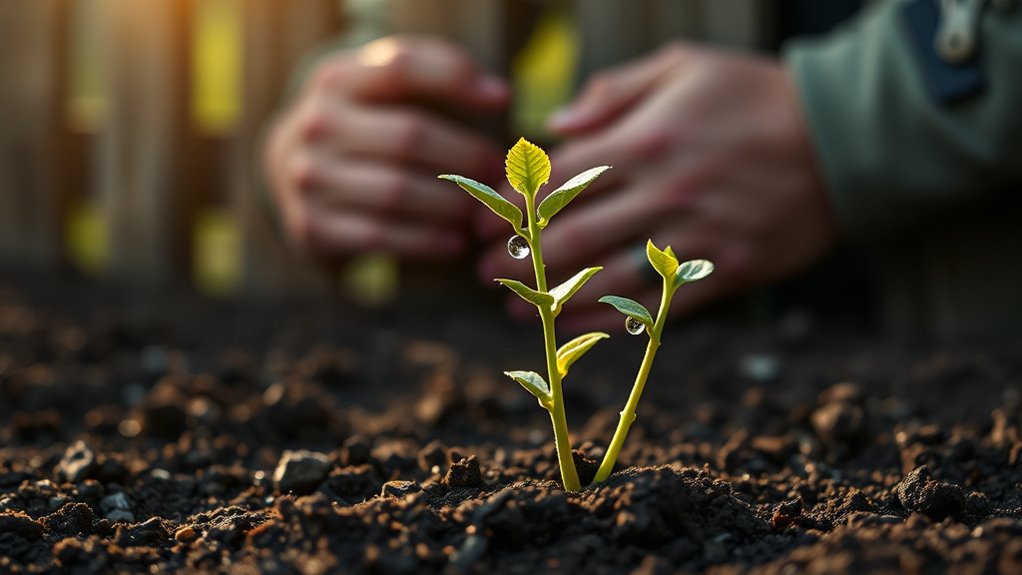

To cultivate patience and accept that growth is a journey, you need to embrace the idea that progress takes time and effort. Practice mindful breathing to stay present and calm during setbacks. Recognize that setbacks are opportunities to learn and grow, reinforcing resilience. By focusing on long-term goals and resisting impulsive urges, you’ll build the patience needed to enjoy meaningful progress. Keep exploring strategies to strengthen this mindset as you continue your journey of growth.
Key Takeaways
- Practice mindful breathing to create pauses and observe thoughts calmly, fostering patience amid delays.
- Embrace delayed gratification to strengthen self-control and appreciate long-term progress.
- View setbacks as opportunities for growth, trusting the non-linear journey of development.
- Recognize that meaningful growth requires time, effort, and consistent practice.
- Cultivate patience to build resilience, mental clarity, and deeper fulfillment over the long term.
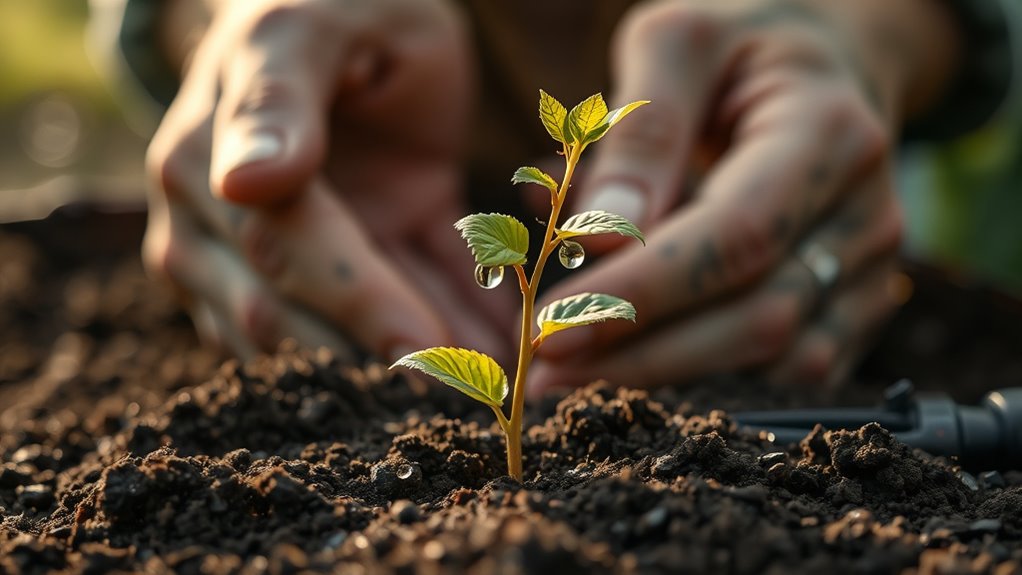
Have you ever wondered why patience often feels so elusive? It’s because we live in a fast-paced world that constantly encourages instant results. When things don’t happen immediately, frustration can set in, making it harder to stay calm and centered. That’s where mindful breathing comes into play. By taking a moment to focus on your breath, you create a pause — a chance to step back from your impulses and observe your thoughts without judgment. This simple practice helps you cultivate patience by grounding you in the present moment. Instead of rushing toward a desired outcome, you learn to appreciate the process itself. Over time, mindful breathing trains your mind to become more tolerant of delays and setbacks, reinforcing the idea that growth isn’t always immediate but unfolds gradually. Cultivating patience also involves understanding the importance of mental clarity and health, which can help you remain centered during stressful situations.
Developing patience also involves embracing the concept of delayed gratification. It’s about resisting the urge for instant satisfaction and instead choosing to wait for a more meaningful reward. When you practice delayed gratification, you strengthen your self-control and resilience, which are crucial for personal growth. For example, rather than impulsively checking your phone every few minutes or seeking quick fixes to problems, you consciously delay those impulses. This might mean setting aside time to work on a long-term goal or delaying a purchase until you’ve done more research. By doing so, you’re reinforcing the understanding that worthwhile achievements often require time and effort. This mindset shift doesn’t happen overnight, but with consistent practice, it becomes easier to accept that patience is an essential part of the journey.
Patience is also about changing your perspective on setbacks and delays. Instead of viewing them as obstacles, see them as opportunities for growth. When you’re patient, you give yourself permission to learn from every experience. It’s about trusting the process, even when progress seems slow. Remember that growth isn’t linear — it involves ups and downs, starts and stops. By practicing mindful breathing, you stay connected to the present, and by embracing delayed gratification, you reinforce your commitment to long-term goals. Over time, these habits help you become more resilient and less reactive. You start to see that patience isn’t just about waiting but about actively engaging in the process, trusting that each step, no matter how small, is leading you toward where you want to be. Cultivating patience is a continuous journey, but one that ultimately leads to deeper fulfillment and meaningful progress.

Breathing Lamp Guided Visual Meditation Tool for Mindfulness,Anxiety Relief&Calm Your Mind for Stress&Visual Relaxation and Restful Sleep,478 Seconds Breathing Rate Change 3 Colors,Gift for Kids
Breathing Lamp Function: A mindful breathing lamp is a powerful and effective tool that can help you reduce…
As an affiliate, we earn on qualifying purchases.
As an affiliate, we earn on qualifying purchases.
Frequently Asked Questions
How Can I Tell if I’M Being Truly Patient or Just Avoiding Action?
You can tell if you’re truly patient by practicing mindful reflection and emotional awareness. Ask yourself if you’re waiting calmly and positively, or avoiding action out of fear or frustration. If you’re aware of your feelings and accept them without rushing, you’re genuinely patient. However, if you’re delaying because of discomfort or avoiding challenges, it’s likely avoidance. Recognizing these cues helps you stay mindful and act intentionally.
What Are Signs That My Patience Is Wearing Thin?
Imagine your patience is like a dam holding back water. When emotional cues like frustration or irritability flood in and behavioral patterns shift—perhaps you snap more or withdraw—it signals your patience’s limits. These signs show your internal reservoir is nearly full, and you’re close to breaking. Recognizing these cues helps you pause, breathe, and reset before emotions overflow, preserving your patience and maintaining balance.
How Do Cultural Differences Influence Patience and Growth?
Cultural differences greatly influence patience and growth by shaping expectations and attitudes. You might notice that in some cultures, patience is valued as a sign of respect and perseverance, leading you to be more tolerant during challenges. In others, the focus on quick results can cause frustration. Recognizing these patience variations helps you adapt your approach, understanding that cultural expectations impact how you perceive and practice patience in your personal growth journey.
Can Impatience Ever Be a Motivator for Change?
Impatience can sometimes serve as a motivator for change if you channel it constructively. When you practice impulse control, you prevent rash decisions, allowing your emotional resilience to grow. Use your impatience as a signal that something needs to shift, then act intentionally. This way, your urge for change becomes a catalyst, helping you develop patience and resilience along your growth journey.
What Role Does Self-Compassion Play in Cultivating Patience?
Self-compassion plays a crucial role in cultivating patience because it encourages you to show self-kindness during setbacks. When you practice emotional resilience, you’re better equipped to handle frustration and stay committed to growth. By treating yourself with understanding instead of criticism, you build a supportive mindset that fosters patience, allowing you to navigate challenges more calmly and steadily. This kindness helps you stay motivated and resilient on your journey.

Delayed Gratification Journal: Document Your Self Improvement Journey – Lined Notebook
As an affiliate, we earn on qualifying purchases.
As an affiliate, we earn on qualifying purchases.
Conclusion
Remember, growth is like tending a garden—you can’t rush the blooms. When I first planted a seed, I was tempted to dig it up and see if it was growing, but I learned patience is key. Over time, small daily efforts nurtured it into a strong plant. Embrace the journey, trust in the process, and know that with patience, the most beautiful results will come, just like a garden in full bloom.

What Are Feelings For? Board Book: A Lift-the-Flap Board Book (Christian behavior book for toddlers encouraging emotional health and resilience.) (Training Young Hearts)
As an affiliate, we earn on qualifying purchases.
As an affiliate, we earn on qualifying purchases.

Sonyabecca Hole Tarp Team Building Exercise Activities Games Teamwork Group Learning Fun Playing Yellow,85''Lx57''W
Team Building Challenge : Thrill your team with this engaging challenge that involves maneuvering a ball around a…
As an affiliate, we earn on qualifying purchases.
As an affiliate, we earn on qualifying purchases.