

To develop your emotional intelligence and strengthen intuition, focus on mindful listening and empathy exercises. Pay attention to others’ tone, body language, and emotional signals during conversations. Reflect on your feelings and triggers regularly to boost self-awareness and regulate your reactions. As you improve these skills, you’ll become better at reading social cues and understanding hidden emotions. Keep exploring these techniques, and you’ll discover even deeper ways to enhance your intuitive insights.
Key Takeaways
- Practice mindful listening to improve awareness of subtle emotional cues and enhance intuitive understanding.
- Engage in regular empathy exercises to deepen emotional recognition and strengthen intuitive responses.
- Cultivate self-awareness through journaling and reflection to better identify internal emotional states guiding intuition.
- Develop emotional regulation skills to respond thoughtfully, fostering trust in your intuitive insights.
- Recognize the interconnectedness of emotional intelligence and intuition to make better decisions and build authentic relationships.

Have you ever wondered why some people seem to handle social situations and stress more effectively than others? The secret often lies in their emotional intelligence, a skill you can develop to improve your intuition and interactions. One powerful way to boost your emotional awareness is through mindful listening. Instead of just hearing words, you focus fully on the speaker, paying attention to tone, body language, and underlying emotions. This practice helps you become more present and attentive, sharpening your ability to pick up on subtle cues that others might miss. When you listen mindfully, you create space for genuine connection, which not only deepens relationships but also enhances your understanding of your own emotional responses.
In addition to mindful listening, engaging in empathy exercises can markedly strengthen your emotional intelligence. These exercises push you to step into someone else’s shoes, imagining their feelings, thoughts, and perspectives. By doing so regularly, you train your brain to recognize emotional signals more quickly and accurately. For example, you might reflect on a recent conversation and ask yourself how the other person felt, what might have triggered their reactions, and how you could respond more compassionately next time. Over time, this practice helps you develop a nuanced sense of empathy, which is essential for intuitive decision-making and social harmony.
Building your emotional intelligence also involves becoming aware of your own emotions and understanding their impact. Journaling your feelings or pausing to identify what you’re experiencing in the moment can improve your self-awareness. When you connect your emotions with your reactions, you gain insight into your patterns and triggers. This self-knowledge feeds into your ability to respond thoughtfully rather than react impulsively, which enhances your intuition. The more you practice these skills—mindful listening, empathy exercises, self-awareness—the more naturally you’ll interpret complex social cues and emotional undercurrents.
Ultimately, developing emotional intelligence isn’t just about managing emotions; it’s about sharpening your intuitive sense for people and situations. It allows you to navigate social environments with confidence and authenticity. By actively engaging in mindful listening and empathy exercises, you hone your sensitivity to others’ needs and feelings. This continuous effort makes your responses more instinctive and aligned with the emotional landscape around you. As a result, you’ll find yourself making smarter choices, forging stronger connections, and handling stress more effectively—skills that are invaluable in every aspect of life.
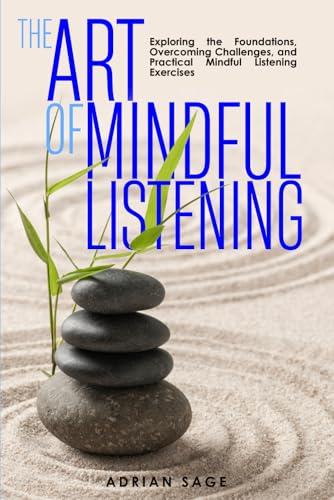
The Art of Mindful Listening: Exploring the Foundations, Overcoming Challenges, and Practical Mindful Listening Exercises
As an affiliate, we earn on qualifying purchases.
As an affiliate, we earn on qualifying purchases.
Frequently Asked Questions
How Long Does It Typically Take to See Progress in Emotional Intelligence?
You can start noticing progress in emotional intelligence within a few weeks, but it varies based on your effort and consistency. As you work on emotional awareness, patience and persistence are key. Keep practicing self-reflection and actively managing your emotions, and you’ll gradually see improvements. Remember, developing emotional intelligence is a continuous journey; the more dedicated you are, the faster you’ll strengthen your intuition through better emotional understanding.
Can Emotional Intelligence Be Improved at Any Age?
Yes, you can improve emotional intelligence at any age. Lifelong learning and emotional adaptability are key to enhancing your skills. By being open to new experiences, practicing self-awareness, and managing your emotions effectively, you actively develop your emotional intelligence. Consistent effort over time helps you better understand yourself and others, leading to stronger intuition and healthier relationships. No matter your age, growth in emotional intelligence is always possible.
What Daily Practices Enhance Both Emotional Intelligence and Intuition?
You can enhance both emotional intelligence and intuition daily by practicing mindfulness exercises like deep breathing or meditation, which help you stay present and aware of your emotions. Keep up journaling habits to reflect on your feelings and reactions, fostering self-awareness. These routines strengthen your ability to interpret emotions accurately and trust your instincts, creating a powerful cycle that boosts your overall emotional and intuitive skills each day.
How Do Cultural Differences Affect Emotional Intelligence Development?
Imagine emotional intelligence as a vast landscape where cultural differences shape the terrain. You adapt by practicing cross-cultural empathy, understanding diverse emotional expression styles, and adjusting your responses accordingly. These differences influence how you interpret feelings and communicate. Embracing this diversity strengthens your intuition, helping you navigate complex interactions with sensitivity and insight, turning cultural awareness into a powerful tool for emotional growth and deeper connection.
Is There a Link Between Emotional Intelligence and Decision-Making Speed?
Yes, there’s a strong link between emotional intelligence and decision-making speed. When you enhance your emotional awareness, you can quickly assess your feelings and the situation, reducing hesitation. This leads to faster decisions without sacrificing accuracy. By being more in tune with your emotions, you improve decision accuracy, making your choices more effective and timely. Developing emotional intelligence helps you trust your instincts and act confidently, streamlining your decision-making process.

As an affiliate, we earn on qualifying purchases.
Conclusion
By honing your emotional intelligence, you’re better equipped to trust your intuition and navigate life’s twists and turns. As you become more aware of your feelings and those of others, you’ll find your instincts sharpening—like a well-honed blade. Remember, Rome wasn’t built in a day, so be patient with yourself as you develop these skills. Keep at it, and you’ll discover that your inner compass becomes a trusted guide, leading you toward clearer decisions and deeper connections.

SWIEI EI Interview Cards
- Product Type: EI Interview Assessment Cards
- Purpose: Evaluate emotional intelligence in candidates
- Categories: Self-awareness, management, connection, leadership
As an affiliate, we earn on qualifying purchases.
As an affiliate, we earn on qualifying purchases.

Social Skills Activities: For Secondary Students With Special Needs
As an affiliate, we earn on qualifying purchases.
As an affiliate, we earn on qualifying purchases.