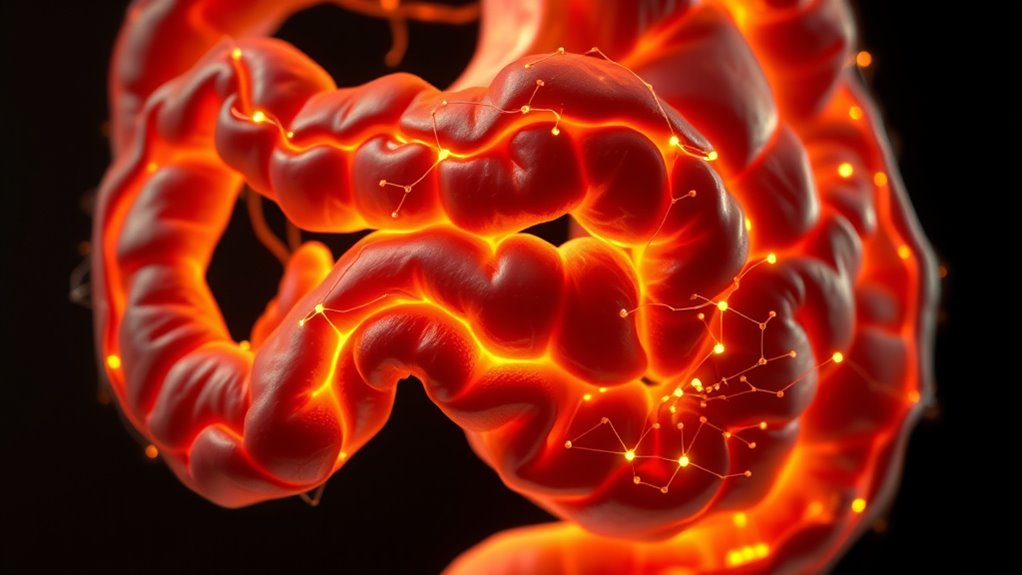

Your gut-brain axis is a busy communication network connecting your digestive system and brain. It involves neural pathways like the vagus nerve, hormones, and signaling molecules produced by your microbiome—the trillions of bacteria and fungi in your gut. When your microbiome is balanced, it helps regulate mood, reduce stress, and support cognition. If you’re curious about how this second brain influences your overall health and what keeps it thriving, keep exploring more details.
Key Takeaways
- The gut-brain axis is a complex communication network linking the digestive system and the brain through neural, hormonal, and immune pathways.
- The vagus nerve serves as the primary conduit transmitting signals bidirectionally between the gut and brain.
- The microbiome influences neurotransmitter production, such as serotonin and GABA, impacting mood and cognitive function.
- Disruptions in gut microbiota can lead to inflammation, neurotransmitter imbalances, and mental health issues like anxiety and depression.
- Maintaining a healthy microbiome through diet and lifestyle supports optimal gut-brain communication and overall well-being.
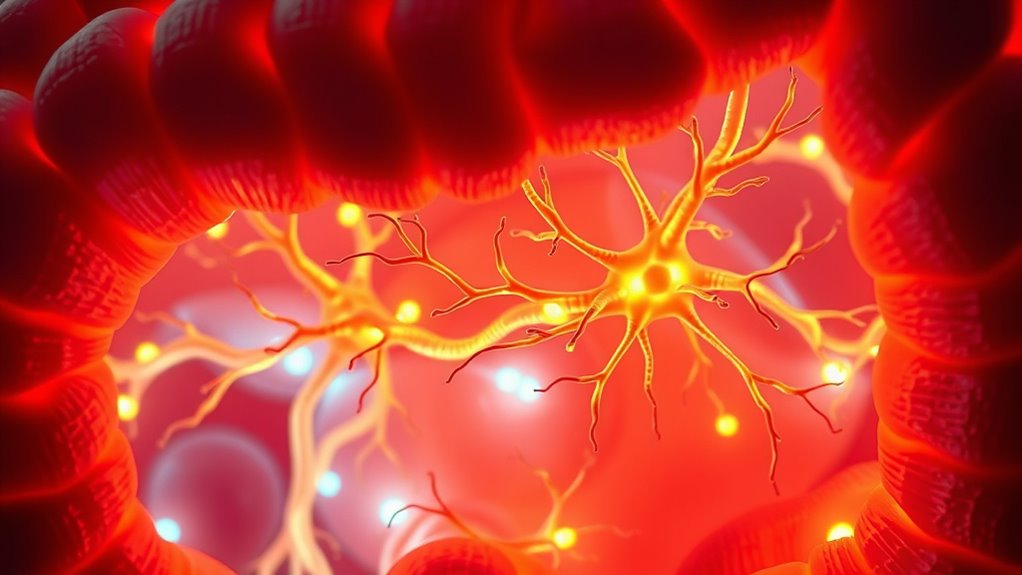
Have you ever wondered how your gut and brain communicate? It’s a fascinating connection that scientists are still uncovering, but one thing’s clear: your gut plays a significant role in your overall mental and physical health. Central to this interaction is your microbiome health—the trillions of bacteria, viruses, and fungi living in your digestive system. When your microbiome is balanced and thriving, it helps regulate your mood, immune response, and even cognitive functions. Conversely, an unhealthy microbiome can contribute to anxiety, depression, and other neurological issues. This dynamic relationship hinges on complex neural pathways that form a communication highway between your gut and brain.
These neural pathways are part of what’s known as the gut-brain axis—a network that includes the vagus nerve, the immune system, hormones, and various signaling molecules. The vagus nerve, in particular, acts as a direct line of communication, transmitting information from your gut to your brain and vice versa. When your microbiome is healthy, it produces neurotransmitters like serotonin and gamma-aminobutyric acid (GABA), which influence your mood and stress response. In fact, about 90% of your body’s serotonin is produced in your gut, highlighting how intimately these two systems are linked. This neural signaling is bidirectional, meaning your brain can influence your gut’s environment just as much as your gut can affect your mental state.
Your microbiome health impacts these neural pathways by producing metabolites and signaling molecules that stimulate nerve endings in your gut lining. These signals are then relayed to your brain, affecting your emotional well-being and cognitive clarity. When your microbiome is unbalanced—perhaps due to poor diet, stress, antibiotics, or illness—these neural pathways can become disrupted. This disruption may lead to increased inflammation, altered neurotransmitter production, and heightened sensitivity to stress. Over time, these changes can contribute to mental health issues like anxiety and depression, as well as gastrointestinal problems such as bloating and discomfort.
Maintaining a healthy microbiome through diet, probiotics, and lifestyle choices can support the integrity of these neural pathways. Think of your microbiome as a crucial communication hub that keeps your gut and brain in sync. When it’s functioning at its best, it promotes mental clarity, emotional stability, and physical resilience. Recognizing this connection encourages you to prioritize gut health, not just for digestion but for your overall well-being. Your gut and brain are more connected than you might realize, and nurturing this relationship can have profound effects on how you feel every day.
A better understanding of the microbiome’s role in neural signaling underscores the importance of supporting your gut health with mindful habits and nutritional choices.
Top picks for "brain axis science"
Open Amazon search results for this keyword.
As an affiliate, we earn on qualifying purchases.
Frequently Asked Questions
How Does Stress Impact the Gut-Brain Connection?
Stress effects your gut-brain connection by triggering a hormonal response that can disrupt digestion and alter gut bacteria. When you’re stressed, your body releases hormones like cortisol, which can cause inflammation and reduce gut motility. This makes you more prone to issues like bloating, discomfort, or even mood changes. Managing stress helps maintain a healthy hormonal balance, supporting your gut-brain axis and overall well-being.
Can Gut Health Influence Mental Health Disorders?
Think of your gut as a bustling city, where microbiome diversity is the vibrant community that keeps everything running smoothly. When your gut health is good, it boosts serotonin production, which is like a natural mood elevator. Poor gut health can lead to imbalances, potentially affecting mental health disorders such as anxiety and depression. Maintaining a healthy microbiome supports your overall mental well-being by nurturing this essential connection.
What Foods Boost the Gut-Brain Axis?
You can boost your gut-brain axis by eating fermented foods like yogurt, kefir, and sauerkraut, which introduce beneficial probiotics. Incorporate more dietary fibers from fruits, vegetables, whole grains, and legumes to nourish your good gut bacteria. These foods support a healthy microbiome, which in turn can enhance your mental well-being, mood, and cognitive function by strengthening the communication between your gut and brain.
Are There Specific Probiotics for Brain Health?
Yes, certain probiotic strains can support brain health. Strains like Lactobacillus rhamnosus and Bifidobacterium longum have shown cognitive benefits, including improved mood and memory. You should look for probiotics that specify these strains, as they are linked to positive effects on mental function. Incorporating these into your routine may help enhance your gut-brain axis, ultimately supporting your overall cognitive health.
How Quickly Can Gut Health Improvements Affect Mood?
Imagine your mood as a delicate butterfly, easily stirred by changes in your gut. When you improve your gut health by balancing gut microbiota and adding digestive enzymes, you might notice mood shifts within days to a week. These changes happen as your gut microbiota produces more neurotransmitters, influencing your brain. So, yes, your mood can improve quickly once your digestive system starts functioning efficiently.
Conclusion
Think of your gut and brain as an intricate dance, each step and turn weaving a vibrant tapestry of health. When this axis thrives, your body sings in harmony, like a symphony reaching its crescendo. But neglect it, and the melody falters, leaving you out of tune. Embrace your second brain, nurture its whispers, and watch your overall well-being blossom like a garden in full bloom—vibrant, resilient, and alive.