
To boost your intuition through meditation, start with mindfulness breathing, focusing on your breath to quiet mental chatter and deepen present-moment awareness. Incorporate guided visualizations to access subconscious insights and strengthen inner trust. Regular practice helps you notice subtle signals and develop mental clarity, supporting intuitive decision-making. By consistently applying these techniques, you’ll create a solid foundation for enhanced intuition. Keep exploring to discover more ways to tune into your inner wisdom.
Key Takeaways
- Practice mindfulness breathing regularly to cultivate present-moment awareness and reduce mental noise.
- Use guided visualization to access subconscious insights and strengthen trust in intuitive signals.
- Create a quiet, comfortable space for meditation to enhance focus and inner connection.
- Incorporate non-judgmental awareness during meditation to sharpen sensory perception and subtle cues.
- Maintain a consistent meditation routine to build a strong foundation for developing intuitive skills over time.

Are you curious about how meditation techniques can help you find calm and clarity in daily life? One effective way is through mindfulness breathing, a simple yet powerful practice that anchors your awareness in the present moment. To begin, find a quiet space where you won’t be disturbed. Sit comfortably, close your eyes if you like, and take a deep breath in through your nose, feeling the air fill your lungs. Exhale slowly through your mouth or nose, paying close attention to the sensation of each breath. Focus solely on your breath, noticing the rise and fall of your chest or belly. When your mind drifts — which it will — gently guide it back to your breath without judgment. This practice helps quiet mental chatter and cultivates a state of calm, making it easier to access your intuition. Incorporating simple meditation techniques like these can make a significant difference in developing your intuitive skills.
Guided visualization is another effective meditation technique that enhances your intuitive abilities. With guided visualization, you follow a recorded or live narration that leads you through vivid mental imagery. You might imagine yourself in a peaceful forest or on a serene beach, exploring the details with all your senses. As you immerse yourself in this mental scene, you create a space where your subconscious can surface insights and intuitive impressions. This technique encourages you to trust your inner voice and instincts, especially when you’re faced with decision-making or problem-solving. It’s like giving your mind a gentle nudge to access deeper wisdom that often remains hidden beneath everyday thoughts.
Both mindfulness breathing and guided visualization serve as gateways to heightened intuition by calming your mind and creating a receptive mental state. When you practice mindfulness breathing regularly, you build a foundation of present-moment awareness that sharpens your senses and enhances your ability to notice subtle signals. Meanwhile, guided visualization allows you to access your subconscious mind more freely, often revealing intuitive insights that aren’t available through rational thinking alone. Incorporating these techniques into your daily routine can considerably improve your ability to sense opportunities, recognize patterns, and trust your gut feelings. As you become more attuned to the subtle cues your mind and body send, you’ll find yourself steering through life with greater confidence and clarity. Remember, consistency is key, and over time, these practices will become natural tools for strengthening your intuition.

Meditation for Intuition
As an affiliate, we earn on qualifying purchases.
As an affiliate, we earn on qualifying purchases.
Frequently Asked Questions
How Long Should I Meditate to Improve Intuition Effectively?
For intuition improvement, there’s no one-size-fits-all meditation duration. You might start with 10-15 minutes daily and gradually increase as you feel comfortable. Consistency matters more than length, so meditating regularly helps your intuition develop over time. Listen to your body and mind—if you notice better clarity or insights, you’re on the right track. Keep practicing, and your intuition will strengthen naturally with dedicated meditation.
Can Meditation Replace Other Intuition Development Methods?
You might wonder if meditation can replace other intuition development methods. While meditation offers comparison benefits like improved clarity and focus, it shouldn’t be seen as the sole approach. Alternative methods, such as journaling or mindfulness exercises, complement meditation by strengthening your intuition in different ways. Combining these techniques provides a well-rounded approach, allowing you to develop intuition more effectively than relying on one method alone.
Are There Specific Times of Day Best for Intuitive Meditation?
You might find that the best times for intuitive meditation depend on your environment and daily routine. Early mornings or late evenings often work well because mindfulness practices during these times help you connect deeply with your intuition. Environmental factors like quiet surroundings and minimal distractions boost your focus. Experiment with different times to see when you feel most receptive, making your practice more effective and aligned with your natural rhythms.
Does Age Affect the Ability to Enhance Intuition Through Meditation?
Coincidences often make you wonder if age factors influence your ability to enhance intuition through meditation. While developmental differences exist across ages, meditation remains accessible and beneficial at any stage. You might notice that younger minds absorb new techniques quickly, whereas older minds bring wisdom and patience. Regardless of age, consistent practice helps you develop a stronger intuitive sense, proving that growth and insight are always within your reach.
Can Meditation Help Distinguish Between True Intuition and Wishful Thinking?
You can definitely use meditation to help distinguish between true intuition and wishful thinking. By practicing regularly, you’ll tune into subtle signals your mind sends, increasing emotional clarity. Meditation sharpens your awareness, making it easier to identify genuine insights versus fleeting desires. Over time, you’ll learn to trust your intuition more confidently, recognizing the difference between authentic guidance and wishful thinking that clouds your judgment.

ajdvart Mindfulness Breathing Exercise Poster, Calm Down Corner & Classroom Decor, Breathing Exercise Poster for Therapy Office & Mental Health Wall Art Educational Tool Unframed Canvas 8.5"x11"
8.5"x11" Unframed 3 Canvas Poster: High-quality canvas with a soft matte finish, this poster is built to last….
As an affiliate, we earn on qualifying purchases.
As an affiliate, we earn on qualifying purchases.
Conclusion
By practicing these meditation techniques, you’ll access your intuition so powerful it’s like having a supercomputer in your mind, guiding you through life’s toughest decisions with crystal-clear clarity. Imagine your instincts becoming so sharp, they cut through confusion like a laser beam, revealing truths you never knew existed. Keep meditating daily, and you’ll tap into an unstoppable force within you—your intuition—so extraordinary, it’ll feel like you have a sixth sense that rules the universe itself.

9-Minute Yoga: Guided Meditation & Visualization
As an affiliate, we earn on qualifying purchases.
As an affiliate, we earn on qualifying purchases.
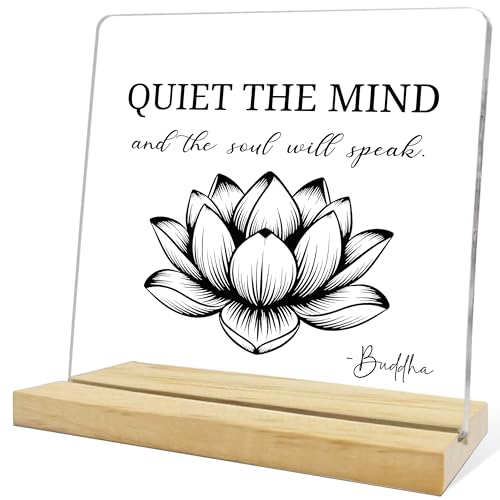
Yoga Meditation Room Decor,Quiet The Mind And The Soul Will Speak,Zen Decor Inspirational Gifts for Home Office Meditation Space Shelf Table Decoration
【Meaningful Slogan】The design is clean and modern, with deeply meaningful text and clear printing—an ideal choice when you’re…
As an affiliate, we earn on qualifying purchases.
As an affiliate, we earn on qualifying purchases.