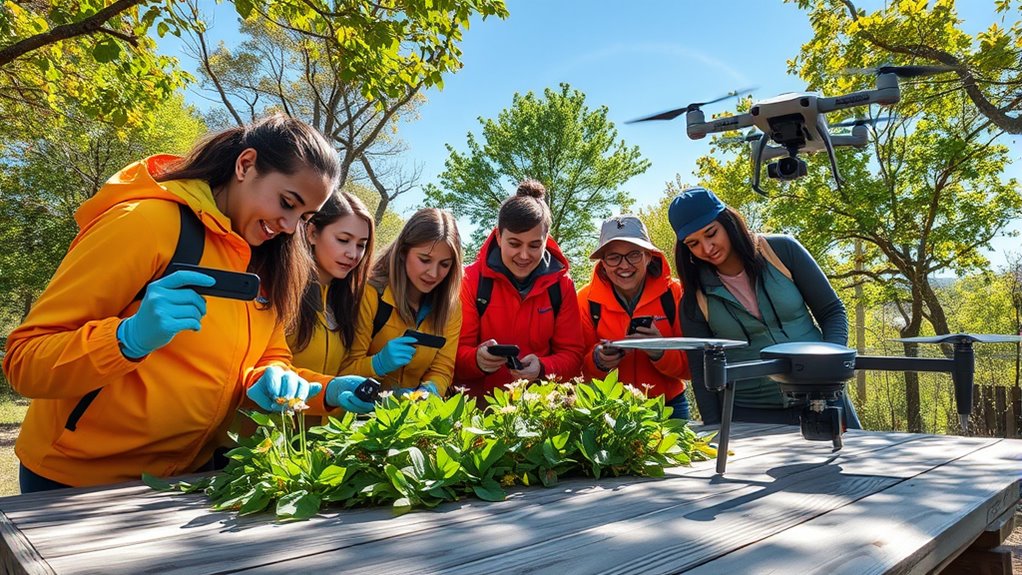

You can contribute to citizen science by collecting local observations, such as bird sightings, plant blooming times, or monitoring air quality. Using simple tools or apps, you can record environmental data and submit it to centralized databases. Your participation helps fill data gaps and supports research on climate change, conservation, and pollution. By getting involved, you turn your curiosity into meaningful action, and if you explore further, you’ll discover how your efforts can truly make an impact.
Key Takeaways
- Use mobile apps and simple tools to record and submit environmental or wildlife data.
- Participate in specific projects like tracking bird migrations or monitoring air quality.
- Learn new skills by engaging in outdoor activities that support scientific research.
- Connect with other citizen scientists to share insights and experiences.
- Contribute data that can influence policies and advance scientific understanding.
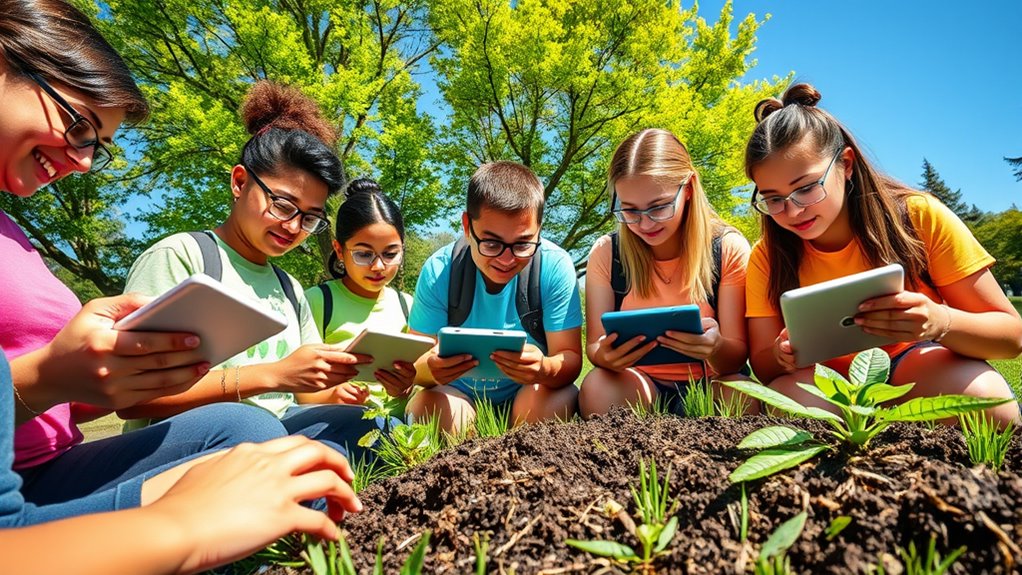
Citizen science involves everyday people actively contributing to scientific research. It’s a way to bridge the gap between professional scientists and the general public, giving you a role in advancing knowledge across various fields. One of the key ways you can get involved is through data collection. Whether you’re observing local wildlife, monitoring air quality, or recording weather patterns, your efforts provide valuable information that researchers might not be able to gather on their own. For example, by logging bird sightings or tracking plant blooming times, you’re helping scientists understand environmental changes and ecological trends that can influence conservation strategies.
Your participation isn’t just about collecting data—it’s about making a genuine impact. When you engage in citizen science projects, you’re contributing to a larger pool of information that can be used for scientific analysis and decision-making. These projects often rely on public participation because it allows for a much broader geographic and demographic reach than traditional research methods. As a participant, you’re helping fill in gaps in data, especially in areas where professional scientists might lack the resources or time to conduct extensive fieldwork. This democratization of data collection means that your observations, no matter how small they seem, become part of a bigger picture, supporting research that can lead to policy changes or new scientific discoveries.
Getting involved is usually straightforward. Many citizen science initiatives provide simple tools or mobile apps that make recording data easy and accessible. For instance, you might use an app to photograph and identify species, record environmental conditions, or submit your findings directly to a database. Your public participation not only accelerates scientific progress but also fosters a sense of community and shared purpose. You’ll have the chance to learn new skills, connect with other enthusiasts, and contribute to projects that matter—whether it’s tracking local pollution levels, documenting climate change effects, or helping scientists understand animal migration patterns. Additionally, understanding tanning safety and proper skin protection can be an important part of outdoor activities related to fieldwork or recreation.
Ultimately, citizen science empowers you to be a part of something bigger than yourself. Your active involvement in data collection and public participation helps generate meaningful insights that shape our understanding of the world. It’s an opportunity to turn your curiosity into action, supporting scientists in tackling pressing environmental and societal challenges. So, whether you’re an outdoor enthusiast, a tech-savvy individual, or simply someone enthusiastic to make a difference, your contribution can have a lasting impact on scientific research and the future of our planet.
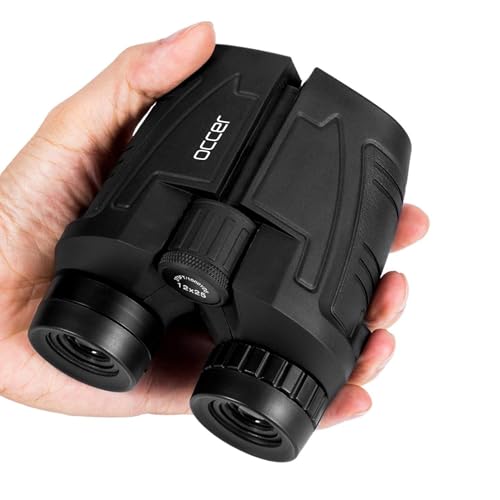
Occer 12×25 Compact Binoculars for Adults and Kids, Large Eyepiece Waterproof Binocular with Low Light Vision,High Powered Easy Focus Binoculars for Bird Watching,Outdoor Hunting,Travel,Sightseeing
【HIGH-POWERED LARGE EYEPIECE BINOCULARS】 This binoculars for adults has 12x magnification, 25mm objective lens and wide field of…
As an affiliate, we earn on qualifying purchases.
As an affiliate, we earn on qualifying purchases.
Frequently Asked Questions
How Do I Choose the Right Citizen Science Project for Me?
To choose the right citizen science project, start with your personal interests and passions. Think about topics you’re curious about, like wildlife, environment, or astronomy, and look for projects related to those areas. Consider your available time and skills, and select a project that matches your commitment level. Doing some research and reading reviews can also help you find a project that’s engaging and fits your preferences.
What Skills Are Necessary to Participate Effectively?
To participate effectively, you should develop basic scientific literacy and data analysis skills. You don’t need to be an expert, but understanding scientific concepts helps you follow instructions and interpret results accurately. Being detail-oriented, curious, and willing to learn is essential. You’ll analyze data, record observations, and contribute meaningful insights. With these skills, you can confidently support projects and help advance scientific research.
Are There Age Restrictions for Citizen Science Involvement?
No, age restrictions don’t put a damper on your citizen science journey; volunteer eligibility spans all ages like a river flowing endlessly. Whether you’re a young explorer or a seasoned adventurer, your enthusiasm counts. Many projects welcome volunteers of various ages, offering opportunities for kids, teens, and seniors alike. So, don’t let age limit your curiosity—your age is just a number, and your contributions can make a real splash in science!
How Is My Data Protected and Used?
Your data is protected through strict data privacy measures, ensuring your personal information stays secure. Participating in citizen science projects means your rights as a participant are prioritized; you can choose what data to share and how it’s used. Projects often explain their data policies upfront, so you can make informed decisions. Rest assured, your contributions help science while your privacy and rights remain protected at all times.
Can I Participate Remotely or Online?
Yes, you can participate remotely and engage in citizen science online. You can collect data from your backyard, upload observations from your smartphone, and analyze information from your computer. Whether you’re tracking local wildlife, monitoring weather patterns, or helping classify images, remote participation and online involvement make it easy to contribute from anywhere. Your efforts support scientific research, and you can do it all without leaving your home.

Amazon Smart Air Quality Monitor – Know your air, Works with Alexa
Know your air – Amazon Smart Air Quality Monitor makes it easy to understand what’s in your indoor…
As an affiliate, we earn on qualifying purchases.
As an affiliate, we earn on qualifying purchases.
Conclusion
Now that you know how easy it is to get involved, there’s no reason to sit on the sidelines. Your contributions can truly make a difference in advancing science and protecting our planet. Remember, every little bit helps—your efforts can be the drop that creates the ripple effect of change. So why not roll up your sleeves and plunge in? After all, the early bird catches the worm, and your involvement can lead to big discoveries.
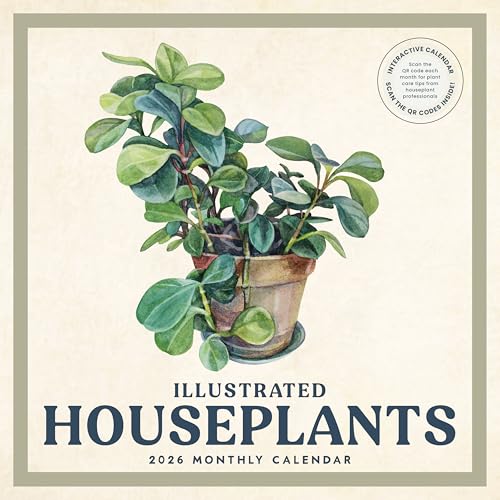
Illustrated Houseplants 2026 Calendar | 2026 Wall Calendar | Monthly Planner | Planner 2026-2027 | Marble City Press | 12” x 24” | Sustainable | Plastic Free | Printed on Thick Art Paper
ENJOY A YEAR OF BOTANICAL WATERCOLORS—We curated thirteen high-quality illustrations of beloved houseplants, from African violet to pothos,…
As an affiliate, we earn on qualifying purchases.
As an affiliate, we earn on qualifying purchases.
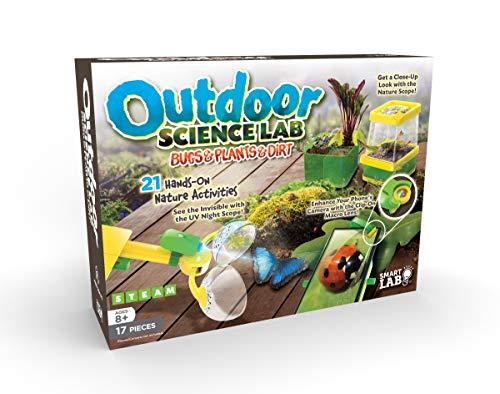
SmartLab Toys Outdoor Science Lab Bugs, Dirt, & Plants with 24 Hands On Nature Activities Science Kit.
EXCITING STEM LEARNING IN THE GREAT OUTDOORS: Kids explore botany, geology, entomology, chemistry, physics, and hydrology with the…
As an affiliate, we earn on qualifying purchases.
As an affiliate, we earn on qualifying purchases.